In the intricate web of global supply chains, certain threads are stronger than others, holding together the fabric of national security. For decades, the United States has relied heavily on China for critical minerals essential to the production of advanced weaponry and technology. Now, a strategic shift is underway as American companies seek to diversify their sources, reducing dependence on a single supplier. This move is not just an economic adjustment but a geopolitical realignment, driven by the need for resilience and autonomy in an increasingly uncertain world.
Critical minerals such as lithium, cobalt, and rare earth elements are vital for manufacturing everything from fighter jets to missile guidance systems. Their scarcity and concentrated production in China have long been a source of vulnerability for the U.S. defense industry. Recent geopolitical tensions have accelerated efforts to secure alternative supply lines, prompting companies to invest in domestic mining and partner with allied nations.
The push for independence is supported by federal incentives and policy initiatives aimed at boosting domestic production. Legislation such as the Inflation Reduction Act and the Defense Production Act provides funding and tax breaks for companies that source materials locally or from friendly countries. These measures are designed to stimulate innovation and create jobs while strengthening national security.
Companies are exploring opportunities in countries like Australia, Canada, and various African nations, where mineral reserves are abundant. These partnerships are built on shared values and mutual economic interests, creating a more robust and diversified network. However, developing new mines and processing facilities takes time and significant capital investment, meaning the transition will be gradual.
The environmental impact of mining is also a key consideration. As the U.S. seeks to expand its mineral production, it must balance economic goals with sustainability standards. Strict regulations and community engagement are essential to ensure that new projects do not harm local ecosystems or populations. This holistic approach aims to create a supply chain that is not only secure but also responsible.
For the defense sector, the implications are profound. A more reliable supply of critical minerals ensures that production schedules remain on track, even in times of global disruption. It also reduces the risk of coercion or leverage by foreign powers, enhancing the strategic autonomy of the United States. This stability is crucial for maintaining military readiness and technological superiority.
Challenges remain, including technical hurdles in processing complex ores and competition from other global players. China continues to dominate the market, and shifting this dynamic requires sustained effort and collaboration. Industry leaders emphasize the need for long-term commitment and strategic planning to achieve true independence.
The effort to cut reliance on Chinese critical minerals is a significant step toward greater economic and national security. As U.S. companies forge new paths and partnerships, they are building a foundation for a more resilient future. This transition, though complex, is essential for safeguarding the nation’s defense capabilities in an evolving global landscape.
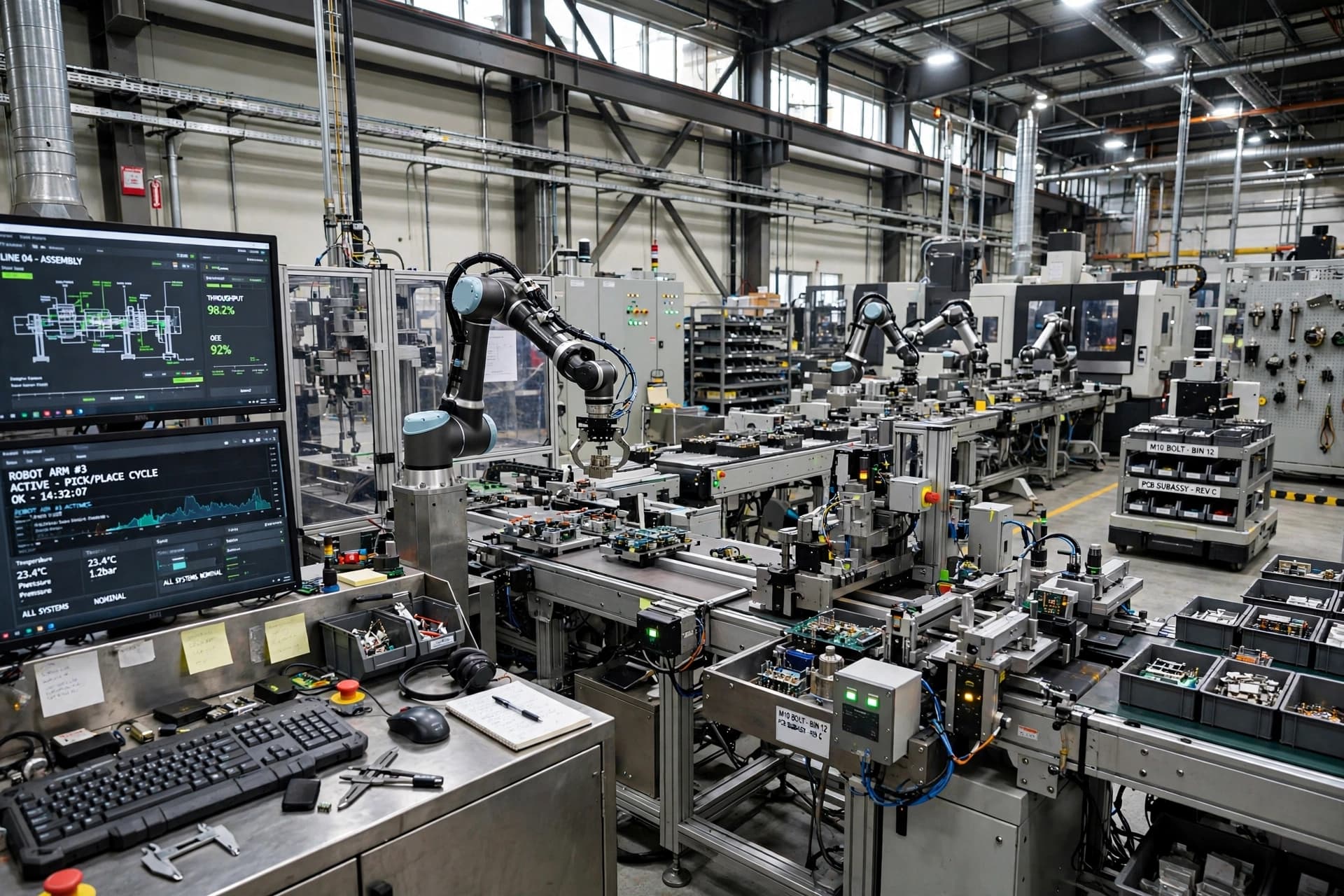
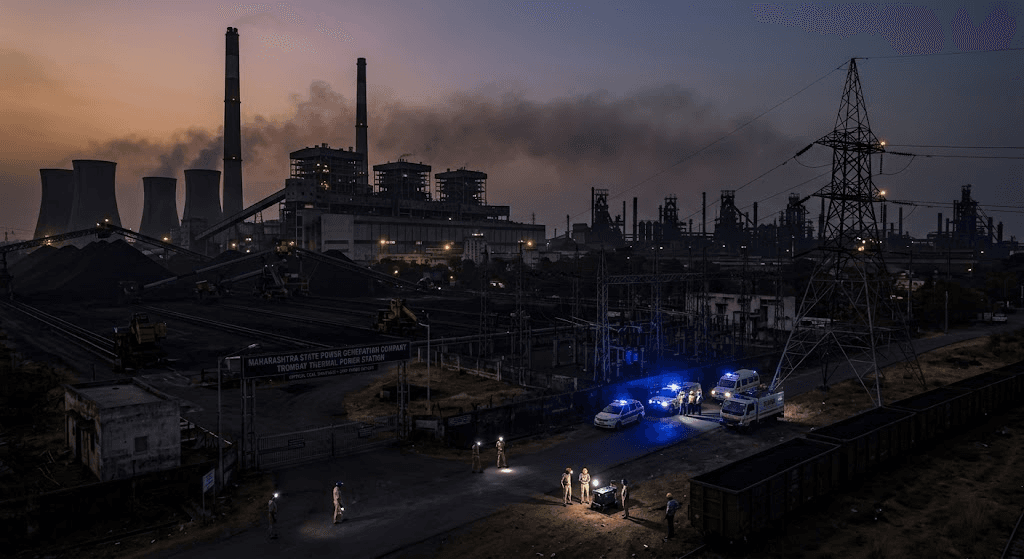
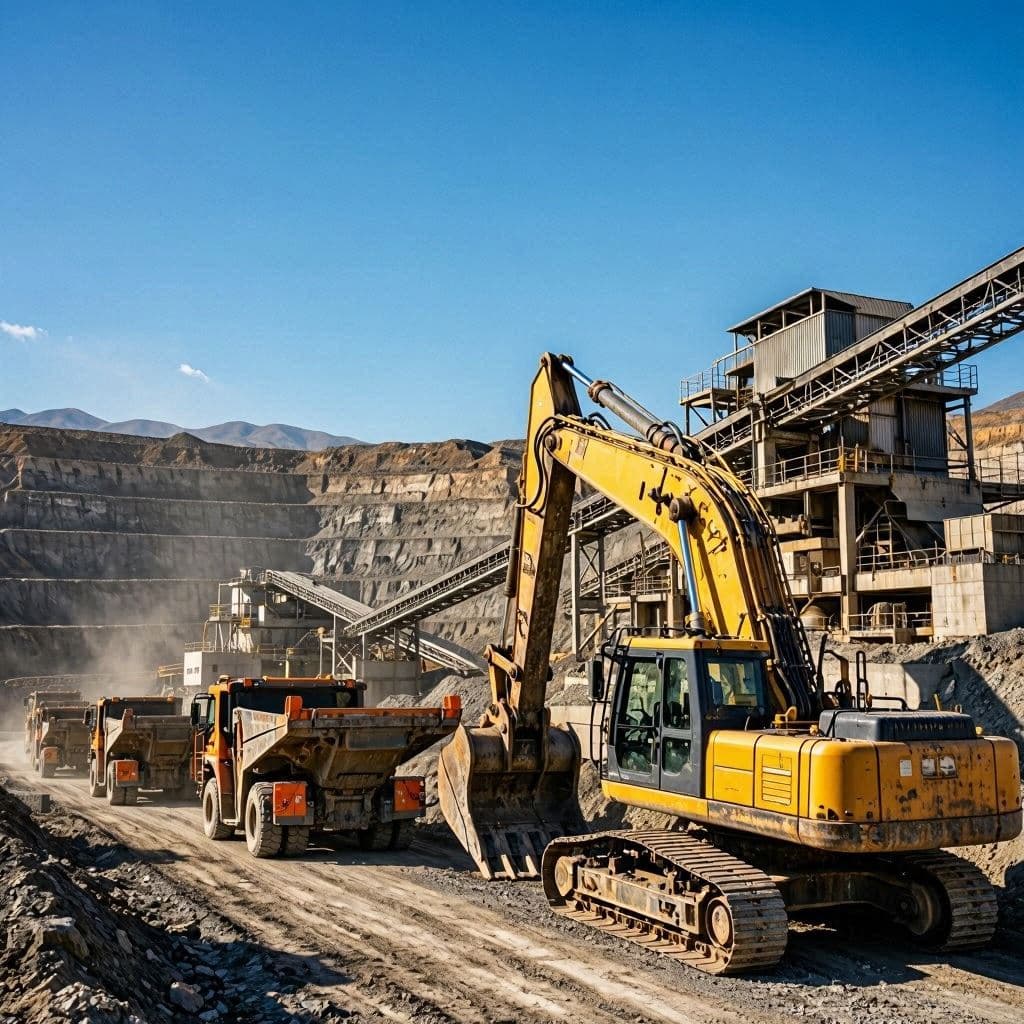
AI Image Disclaimer: Please note that the images in this piece are AI-generated illustrations created to depict the themes of industrial supply chains and resource security.
Sources: Reuters, Bloomberg, Department of Defense, Wall Street Journal
Published by Banx Network. This article is part of the Banx decentralized media programme, powered by the BXE token on the XRP Ledger.