On the Korean Peninsula, where tradition and modernity coexist in dynamic harmony, the air has grown thick with an intense, unyielding heat. This summer, temperatures have soared to record-breaking levels, transforming daily life into a struggle against the elements. From bustling Seoul to quiet rural villages, the mercury has climbed to heights unseen in over a century, prompting governments to declare emergency states. It is a moment that invites reflection on the vulnerability of human comfort in the face of nature’s raw power, and the urgent need for adaptive strategies in a warming world.
South Korea recorded its highest temperature ever on August 2, 2026, with the city of Yangsan reaching a staggering 42.5 degrees Celsius (108.5°F). This milestone, surpassing previous records set just days earlier, has triggered widespread alarm. The heat is not confined to the south; it has spread across the peninsula, affecting both North and South Korea. Such extreme temperatures pose serious health risks, particularly for the elderly, children, and those working outdoors.
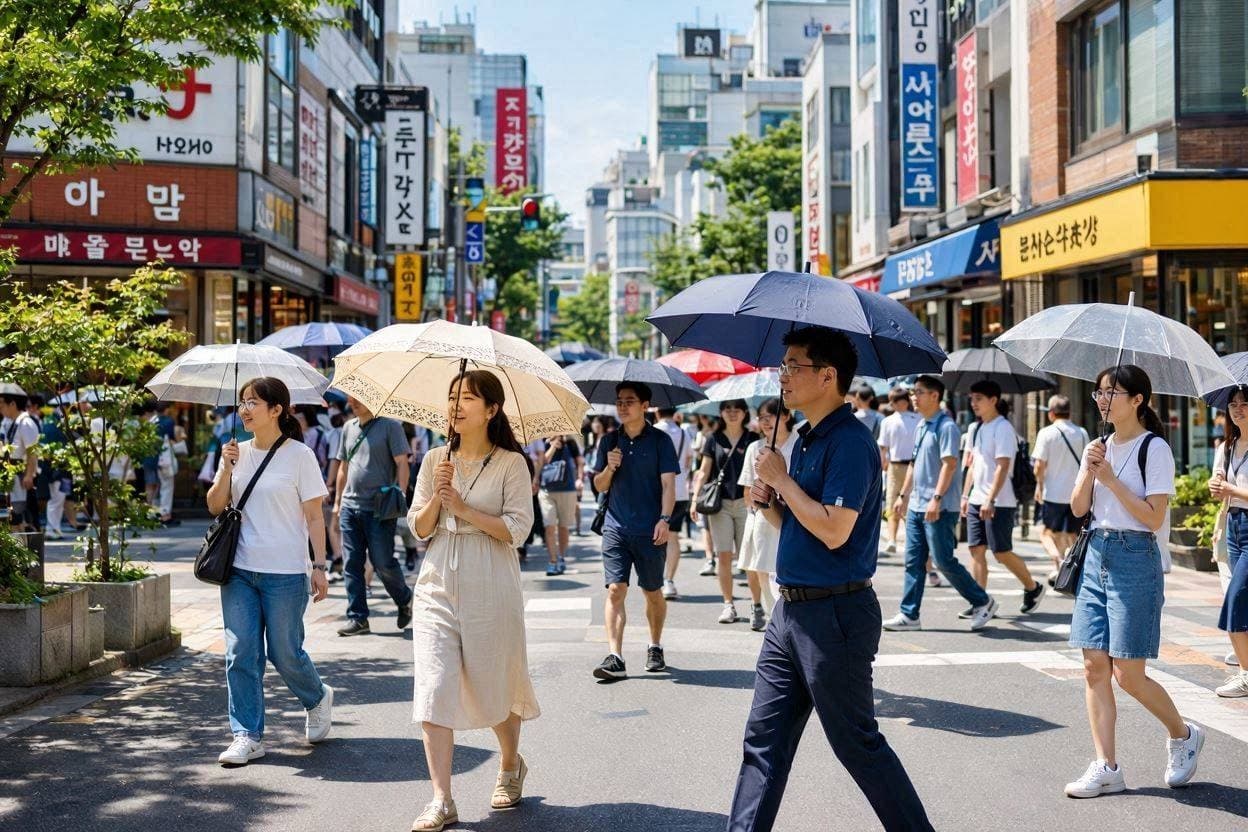
In response, authorities have issued severe heatwave warnings and advised citizens to avoid outdoor activities during peak hours. Cooling centers have been opened in public buildings, and emergency services are on high alert for heat-related illnesses. Schools have adjusted schedules, and construction sites have implemented stricter safety protocols to protect workers. These measures reflect a proactive approach to managing the crisis, prioritizing public safety above all else.
The economic impact is also significant. Energy demand has surged as people rely on air conditioning to cope with the heat, straining power grids. Agricultural sectors are suffering, with crops wilting under the intense sun and livestock facing stress. Farmers are implementing emergency irrigation methods, but the lack of rainfall exacerbates the difficulty. The ripple effects of this heatwave extend far beyond immediate discomfort, touching every aspect of society.
Meteorologists attribute the extreme heat to a combination of global warming and specific atmospheric patterns, such as high-pressure systems that trap warm air. While heatwaves are not new to the region, their intensity and duration are increasing. This trend aligns with global climate models, which predict more frequent and severe extreme weather events in the coming decades. Understanding these dynamics is crucial for long-term planning.
Public awareness campaigns are emphasizing hydration, rest, and checking on vulnerable neighbors. Social media has become a tool for sharing tips and resources, fostering a sense of community resilience. People are adapting their routines, seeking shade in parks and utilizing public cooling facilities. This collective adjustment demonstrates the capacity for societal flexibility in the face of adversity.
North Korea has also reported high temperatures, though details are less publicly available. The shared experience of extreme heat highlights the interconnectedness of the peninsula’s environment. Regardless of political divisions, the climate crisis affects all inhabitants, underscoring the need for regional cooperation in disaster management and environmental protection.
As the heatwave continues, the Korean Peninsula stands as a testament to the challenges of a changing climate. The record temperatures serve as a warning, urging us to take seriously the signs of environmental shift. Through preparedness and community support, societies can navigate these difficult times, finding strength in unity and adaptation.
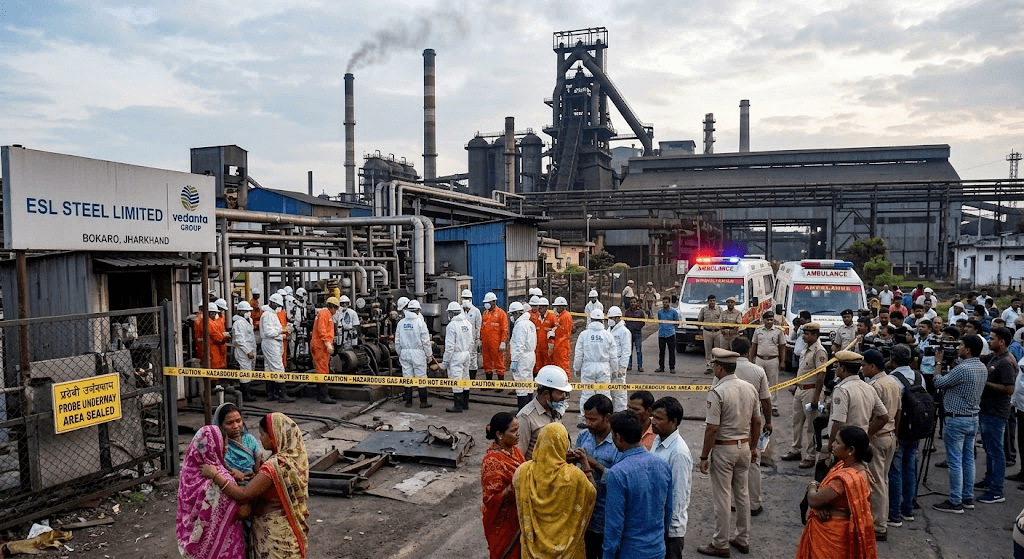
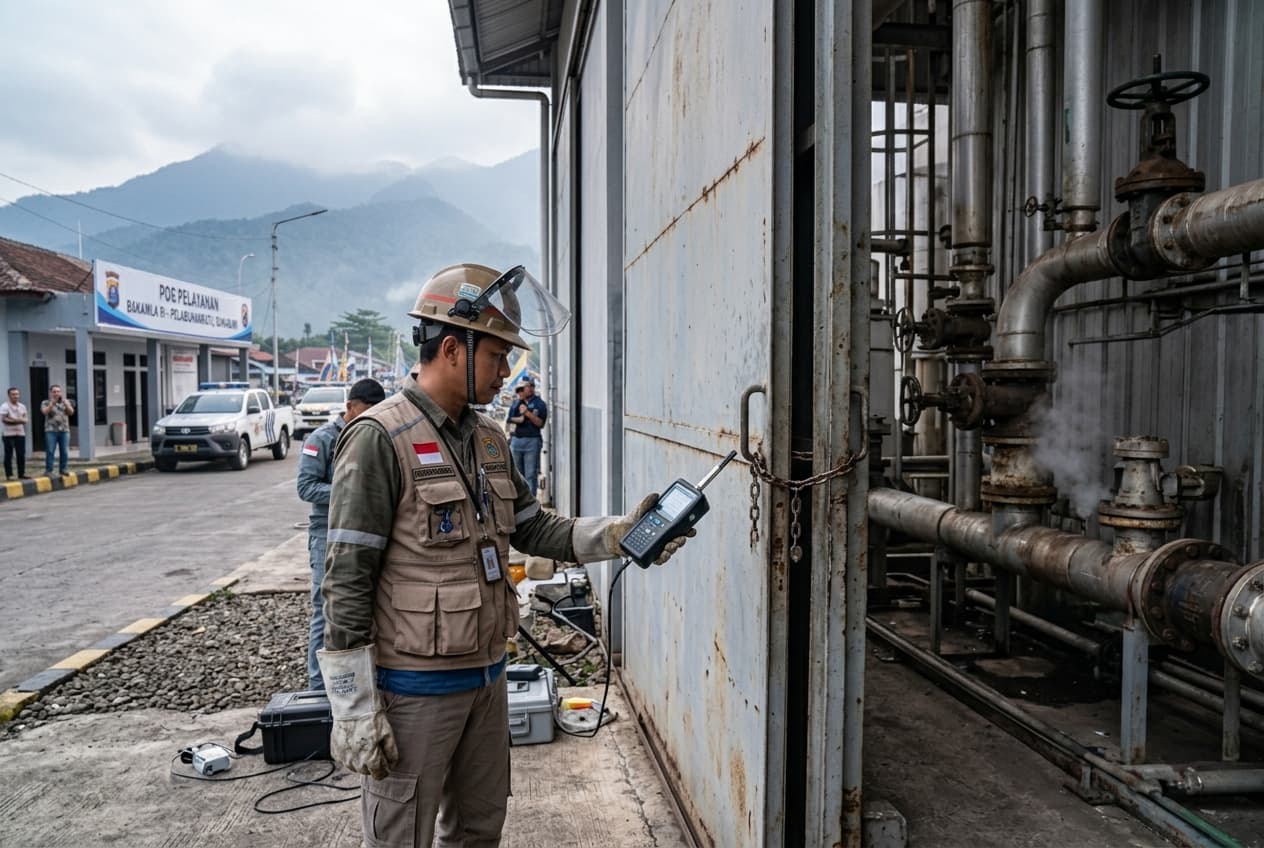
AI Image Disclaimer: Please note that the images in this piece are AI-generated illustrations created to depict the themes of extreme heat and public health response.
Sources: Channel News Asia, Al Jazeera, The Guardian, Bloomberg
Published by Banx Network. This article is part of the Banx decentralized media programme, powered by the BXE token on the XRP Ledger.