
Key Highlights
- Urban security operations in Brazil highlight tensions between law enforcement and organized crime.
- Residents experience cycles of uncertainty amid police interventions.
- Structural challenges like economic inequality complicate the security landscape.
Brazil's urban landscape is a complex tapestry where the interplay of law enforcement and organized crime shapes daily life. In many cities, nighttime is not merely a time for rest; it often signifies a pause filled with tension. Recent urban security operations have spotlighted the ongoing struggle between police forces and criminal organizations, particularly in densely populated neighborhoods where informal power structures have long been entrenched.
These police operations are frequently framed as essential measures to restore order and mitigate violence. However, the reality for residents is far more complicated. While authorities aim to dismantle criminal networks, communities often find themselves caught in a cycle of disruption. Normal life is repeatedly interrupted, only to be painstakingly rebuilt, only to face further upheaval. This cycle creates an atmosphere of uncertainty that permeates daily activities.
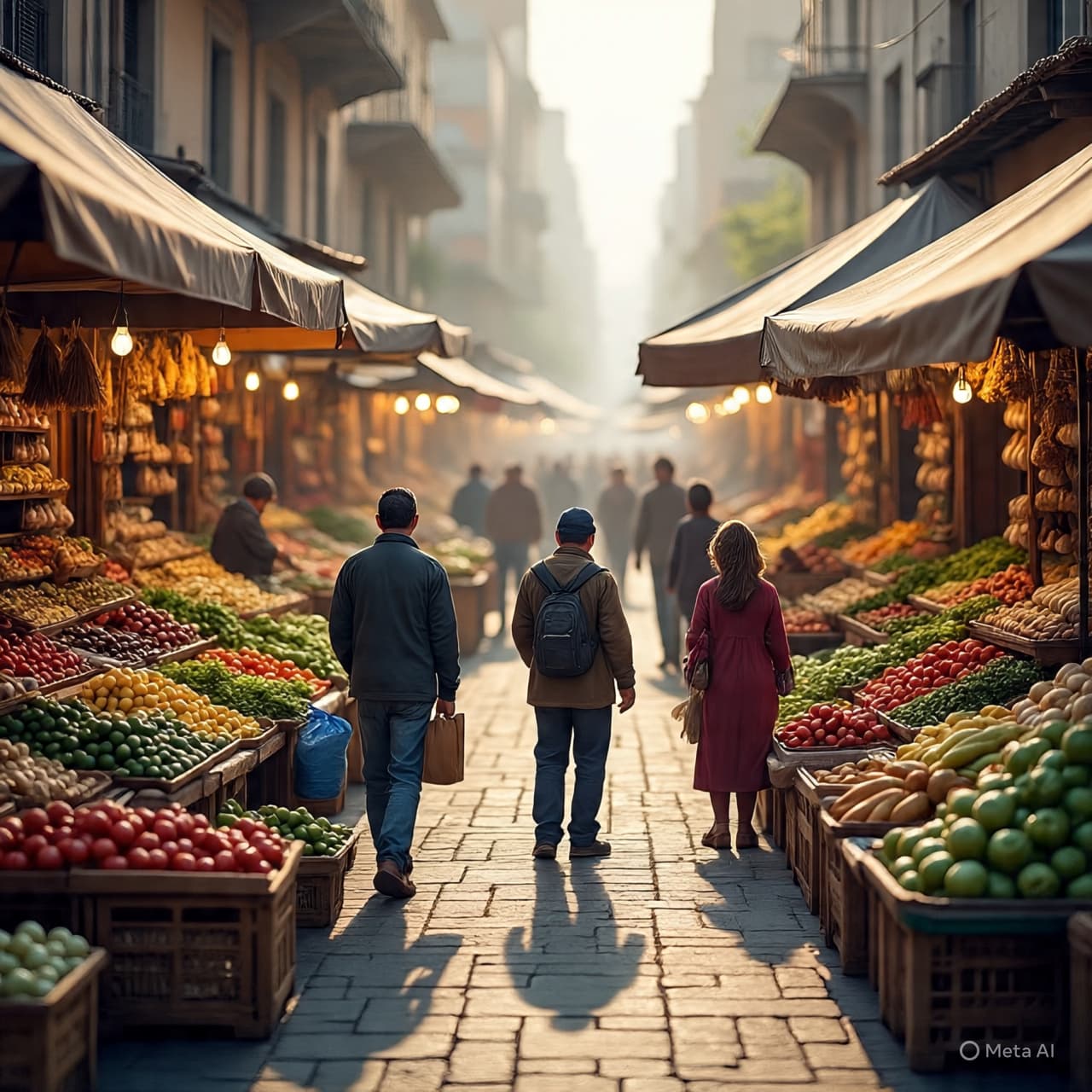
In many affected areas, life continues with a quiet resilience. Markets reopen, public transport resumes, and schools operate as usual. Yet, beneath this surface, there is a palpable shift in the community's mood. Conversations become more cautious, movements more deliberate, and an undercurrent of unpredictability lingers, often overshadowing official narratives of stability.
Experts analyzing Brazil's urban security landscape emphasize that the challenges extend beyond immediate police actions. Economic inequality, inadequate access to public services, and long-standing territorial disputes among criminal factions contribute to a persistent cycle of violence and instability. These structural issues cannot be resolved through short-term interventions alone, highlighting the need for comprehensive strategies that address the root causes of crime.
Law enforcement agencies maintain that sustained pressure on criminal groups is crucial to prevent them from solidifying their control over neighborhoods. This creates a tension between the necessity for immediate action and the need for long-term solutions, which remains central to the discourse surrounding urban security in Brazil.
The narrative surrounding Brazil's urban security is not one of clear-cut success or failure; rather, it is an ongoing saga where each police operation is part of a larger, unfinished story about governance, safety, and social stability. As Brazil grapples with these multifaceted challenges, its cities continue to embody a striking contrast: they are vibrant and full of life, yet they are also arenas where the struggle for order and security unfolds daily.
As Brazil navigates this complex landscape, the resilience of its communities shines through, illustrating the strength of those who live in the shadows of uncertainty. The ongoing dialogue about urban security will undoubtedly shape the future of these cities, as stakeholders work to find a balance between enforcement and community needs.
Published by Banx Network. This article is part of the Banx decentralized media programme, powered by the BXE token on the XRP Ledger.



