
Key Highlights
- Lula da Silva officially announces his reelection campaign for 2026.
- Concerns about foreign interference in Brazilian elections are escalating.
- Electoral authorities are preparing to monitor potential risks closely.
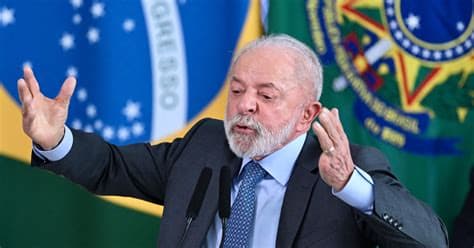
Brazilian President Luiz Inácio Lula da Silva has officially launched his reelection campaign, setting the stage for a contentious political battle as concerns about foreign interference loom large. The announcement comes amid rising apprehensions from political figures and election observers regarding the potential for outside actors to influence the electoral process or incite unrest in Brazil.
Lula's campaign kickoff was marked by a rally that emphasized themes of progress and stability, appealing to his base while also addressing the fears of manipulation that have surfaced in recent months. Supporters of the president argue that his leadership is crucial for maintaining the gains made since he took office, particularly in social programs and economic recovery efforts. However, critics have voiced strong demands for enhanced safeguards to protect the integrity of the electoral process.
As the political landscape heats up, electoral authorities and security institutions are gearing up to closely monitor the situation. They are expected to implement measures aimed at mitigating risks associated with foreign interference, which has become a significant concern in many democracies worldwide. The Brazilian electoral system has faced scrutiny in the past, and the upcoming elections are likely to be no exception.
In recent years, Brazil has witnessed a surge in disinformation campaigns and external influences that have raised alarms among voters and officials alike. The potential for foreign entities to sway public opinion or disrupt the electoral process has prompted calls for greater transparency and accountability in campaign financing and media coverage.
Lula's administration has emphasized the importance of a fair electoral process, pledging to work with international observers to ensure that the elections are conducted without undue influence. The president's team is also expected to engage with civil society organizations to promote voter education and awareness about the risks of disinformation.
As the 2026 elections approach, the stakes are high for Lula and his opponents. The political climate in Brazil is charged, and the outcome of the election could have far-reaching implications for the country's future direction. With foreign interference concerns at the forefront, both voters and candidates will need to navigate a complex landscape as they prepare for the upcoming vote.
Published by Banx Network. This article is part of the Banx decentralized media programme, powered by the BXE token on the XRP Ledger.



