
Key Highlights
- Event:The Munich Security Conference (MSC) is underway, focusing on global security challenges.
- Concerns:European officials express anxiety over U.S. foreign policy's unpredictability.
- Implications:The conference may shift from reaffirming alliances to contingency planning.
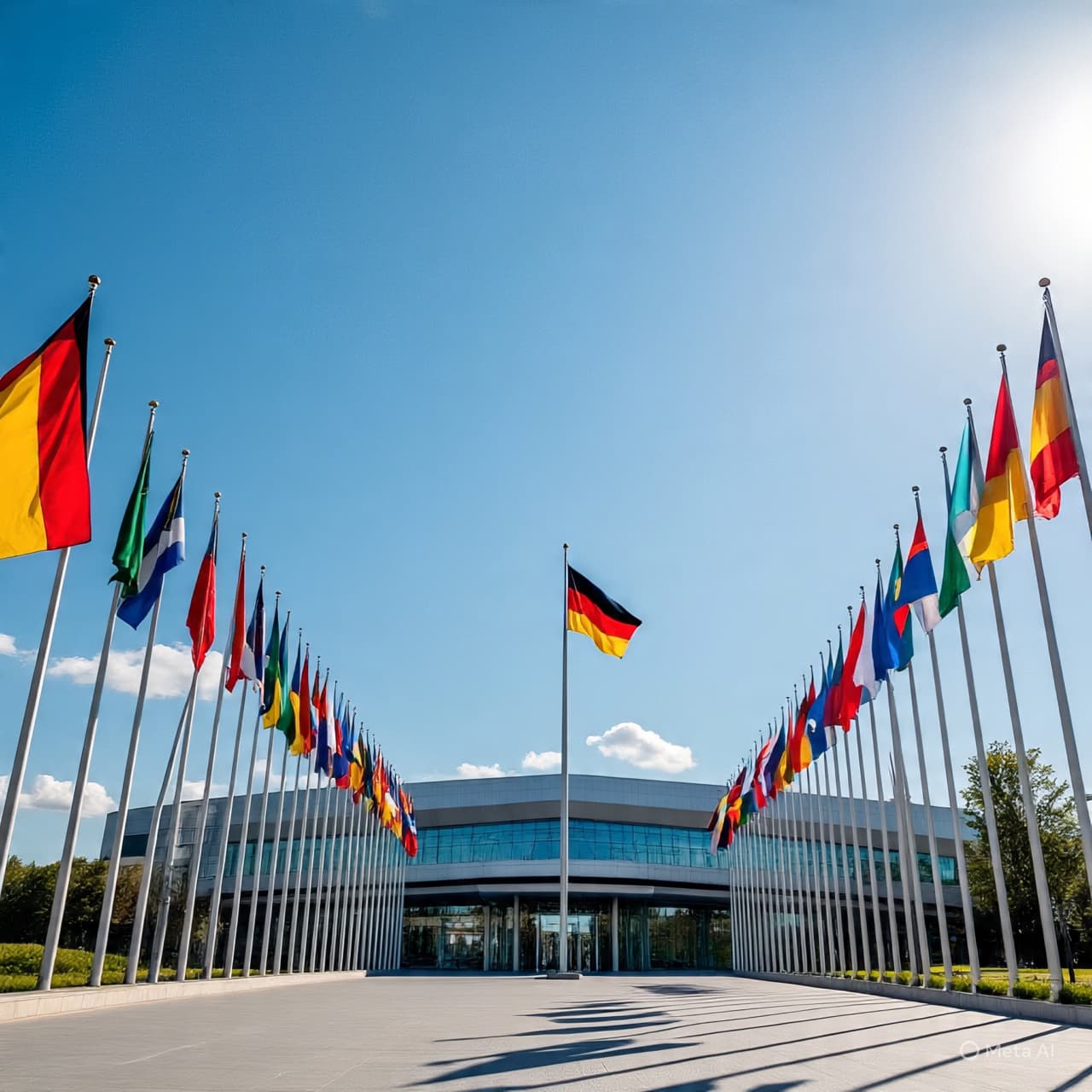
The Munich Security Conference (MSC), a pivotal annual gathering for diplomats and defense officials, is currently taking place in Munich, Germany. This year, the atmosphere is charged with apprehension as participants prepare to navigate the complexities of U.S. foreign policy under the shadow of Donald Trump’s controversial approach. Analysts describe this year's conference as a critical juncture, where the focus is less on crisis management and more on managing expectations amid a shifting geopolitical landscape.
The MSC has historically symbolized transatlantic unity, but the latest Munich Security Report highlights a growing concern among European analysts. They argue that the international order, which has underpinned European security since World War II, is facing unprecedented challenges. The report suggests that the core principles of this order are being tested, raising alarms about the future of alliances and cooperative security arrangements.
Central to the discussions is the issue of predictability in U.S. foreign policy. European officials have expressed that while they can handle disagreements with Washington, the uncertainty surrounding U.S. commitments is far more troubling. Trump's transactional and confrontational style has led to skepticism regarding long-standing agreements, including NATO's collective defense principle and coordinated responses to crises like the situation in Ukraine.
The MSC report warns that the cumulative effects of U.S. policies could undermine the rules-based international system, which relies heavily on trust and shared responsibilities among allies. European leaders are particularly concerned about tariffs imposed on allies, fluctuating defense guarantees, and the pressure for rapid burden-sharing. These actions are viewed not as isolated incidents but as part of a broader worldview that prioritizes leverage over collaboration.
In contrast, U.S. officials argue that their calls for greater European self-reliance are intended to bolster Western security. They frame the current disruptions as necessary corrections, urging allies to invest more seriously in their own defense capabilities. However, many European security experts contend that the intent behind these policies is less important than their actual effects. The perception that long-standing security arrangements are no longer reliable complicates deterrence strategies and emboldens adversaries, prompting European nations to prepare for a future where U.S. leadership may be inconsistent.
As the conference progresses, the mood among officials is one of cautious realism. They are gearing up for challenging discussions about European autonomy, resilience, and the necessary responses to potential shifts in U.S. engagement. The MSC has often served as a platform for reaffirming shared values and collective goals, but this year, it may pivot towards contingency planning. The notion of bracing for “wrecking-ball politics” does not imply a severance of the transatlantic relationship; rather, it underscores the need for active defense of the international order that has long been taken for granted.
In conclusion, the Munich Security Conference is set against a backdrop of uncertainty and potential upheaval in global alliances. As diplomats engage in critical dialogues, the outcomes may shape the future of transatlantic relations and the broader international security landscape.
Published by Banx Network. This article is part of the Banx decentralized media programme, powered by the BXE token on the XRP Ledger.



