At certain moments, ambition begins to sound like motion — not loud or hurried, but steady, almost inevitable. In the world of technology, that motion now hums beneath balance sheets and bond markets, where familiar names are quietly rearranging their financial posture. Google and its peers are not chasing growth with spectacle; they are doing so with paperwork, patience, and borrowed time, laying foundations for futures still taking shape.
Across Silicon Valley and beyond, a noticeable shift is underway. Companies long celebrated for towering cash reserves are turning toward debt markets with renewed interest. Bond offerings, credit facilities, and structured borrowing have become tools not of necessity, but of strategy. The aim is less about survival and more about scale — about funding the infrastructure required to power artificial intelligence systems that consume vast computational resources and demand long-term investment.
Data centers rise slowly, but they are expensive monuments. Specialized chips, cloud expansion, and energy commitments stretch far beyond quarterly earnings cycles. For firms like Google, borrowing offers flexibility: the ability to preserve cash, manage taxes efficiently, and spread risk across time. In an environment where interest rates remain elevated but predictable, debt becomes a measured choice rather than a warning sign.
This borrowing spree does not signal weakness. Instead, it reflects confidence in future returns — a belief that AI will not merely enhance existing products, but redefine markets altogether. Investors appear receptive, reading these moves as calculated positioning rather than reckless expansion. Bond sales have been met with demand, suggesting faith not just in technology, but in the discipline with which these companies are approaching growth.
Yet there is a quiet tension beneath the optimism. Artificial intelligence promises transformation, but it also carries uncertainty. Revenue models are still evolving. Regulatory frameworks remain unsettled. Energy costs and geopolitical supply chains add layers of complexity. Borrowing, while strategic, introduces obligations that assume tomorrow will justify today’s confidence.
As these companies continue to raise funds, the story unfolding is not one of excess, but of transition. Big Tech is shifting from an era of effortless abundance to one of deliberate investment. The borrowing reflects an acknowledgment that the next chapter of innovation will be capital-intensive, slower to mature, and deeply intertwined with global finance.
For now, markets are watching calmly. Credit ratings remain strong. Expansion plans continue. And the loans, quietly signed, are treated as bridges — not burdens — toward an AI-driven future that is still being written.
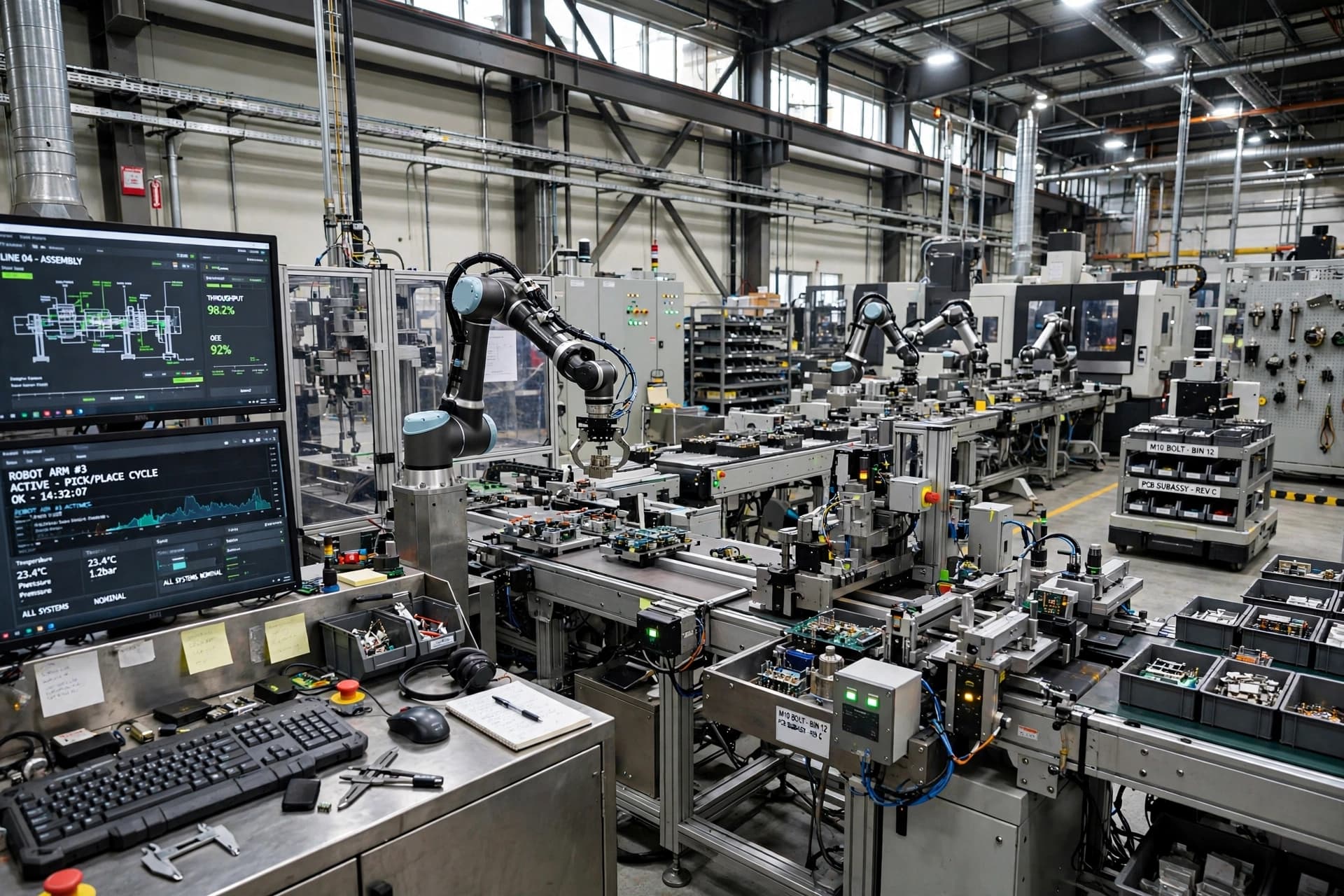
AI Image Disclaimer (Rotated) “Graphics are AI-generated and intended for representation, not reality.”
Sources (Media Names Only) Reuters Financial Times Bloomberg The Wall Street Journal Nikkei Asia
Published by Banx Network. This article is part of the Banx decentralized media programme, powered by the BXE token on the XRP Ledger.