
Key Highlights
- Recent Clashes:Pakistan warns Afghanistan after cross-border attacks.
- Diplomatic Tensions:Taliban denies using Afghan territory for attacks.
- Community Impact:Increased security measures disrupt daily life along the border.
The borders that separate nations are often perceived as mere lines on a map, yet they embody complex histories, responsibilities, and relationships that extend beyond geography. The mountainous frontier between Pakistan and Afghanistan has recently become a focal point of military and diplomatic scrutiny, as tensions rise following a series of cross-border clashes.
In a recent escalation, Pakistan's government issued a stern warning to the Taliban-led administration in Afghanistan. Pakistani officials reported that armed groups operating near the border have been launching attacks, prompting military responses aimed at safeguarding border communities and national security. Islamabad has made it clear that it expects Afghan authorities to take action against these militant organizations, which are allegedly using Afghan territory to orchestrate attacks against Pakistan.
Despite these accusations, the Taliban administration has rejected claims that it is facilitating attacks against Pakistan. Afghan officials have instead called for dialogue, advocating for a diplomatic approach to resolve misunderstandings rather than resorting to military action. This call for communication underscores the complexities of the relationship between the two nations, which have a long history of conflict and cooperation.
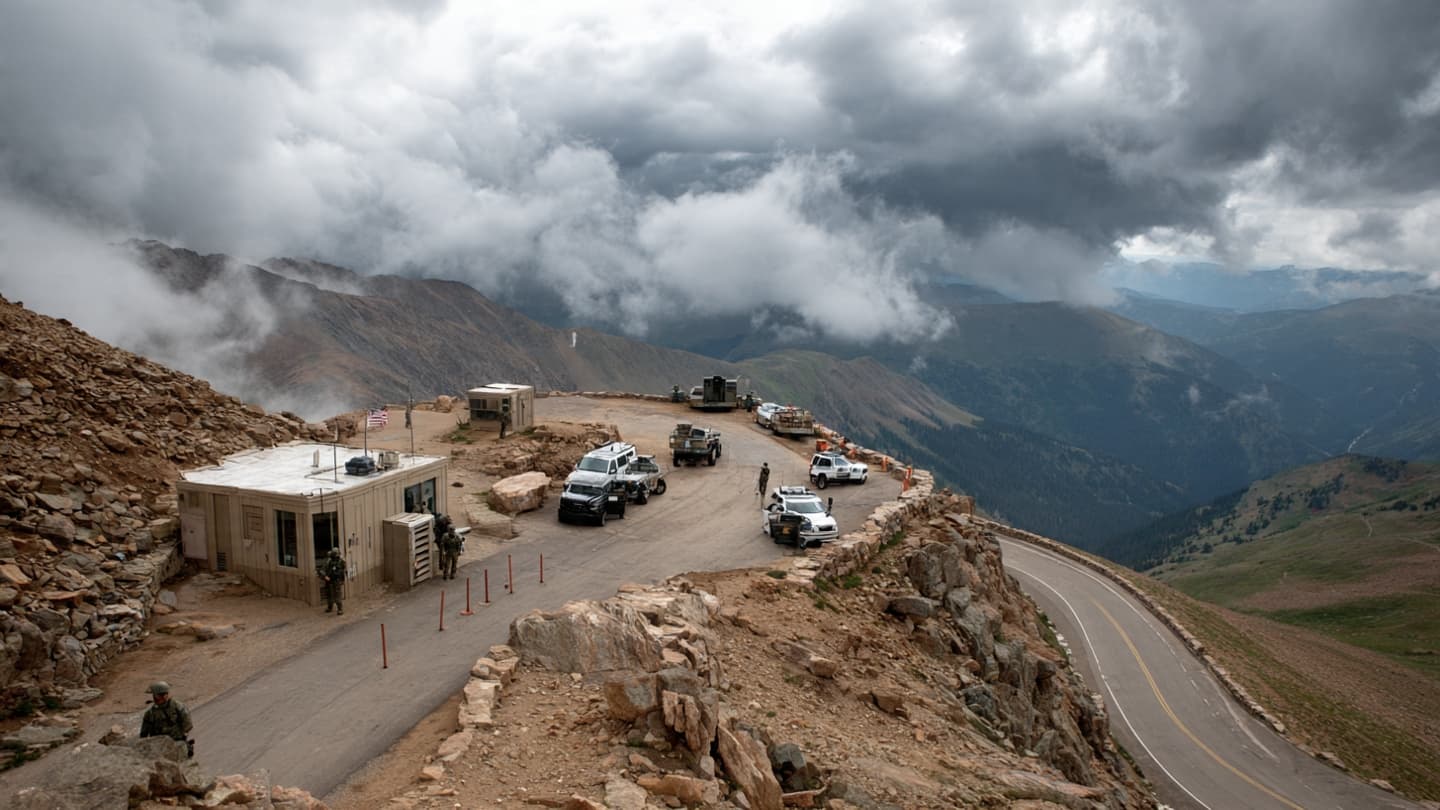
The communities residing along the border are feeling the impact of these heightened tensions. Increased security measures, including additional checkpoints and temporary road closures, have disrupted trade and transportation, affecting the daily lives of residents who rely on cross-border movement for their livelihoods. The situation has created a sense of uncertainty and anxiety among those living in these border regions, as they navigate the challenges posed by both security concerns and economic dependencies.
Regional analysts emphasize the importance of security cooperation between Pakistan and Afghanistan for achieving long-term stability. Both countries face shared challenges, including militant activity, refugee movements, and economic development, which necessitate ongoing communication despite political disagreements. The need for collaboration is further underscored by the potential for misunderstandings to escalate into larger conflicts if not addressed through dialogue.
International organizations have urged both governments to keep diplomatic channels open and to avoid actions that could exacerbate tensions. Experts suggest that sustained dialogue could help mitigate misunderstandings and improve coordination against armed groups that operate independently of state control. The recent developments highlight the intricate relationship between regional security, diplomacy, and practical cooperation.
As both nations grapple with their differences, they share a vested interest in preventing further violence and ensuring stability for the communities that inhabit one of Asia's most sensitive borders. The path forward will require a commitment to dialogue and collaboration, as the stakes are high for both countries and their citizens.
Published by Banx Network. This article is part of the Banx decentralized media programme, powered by the BXE token on the XRP Ledger.



