

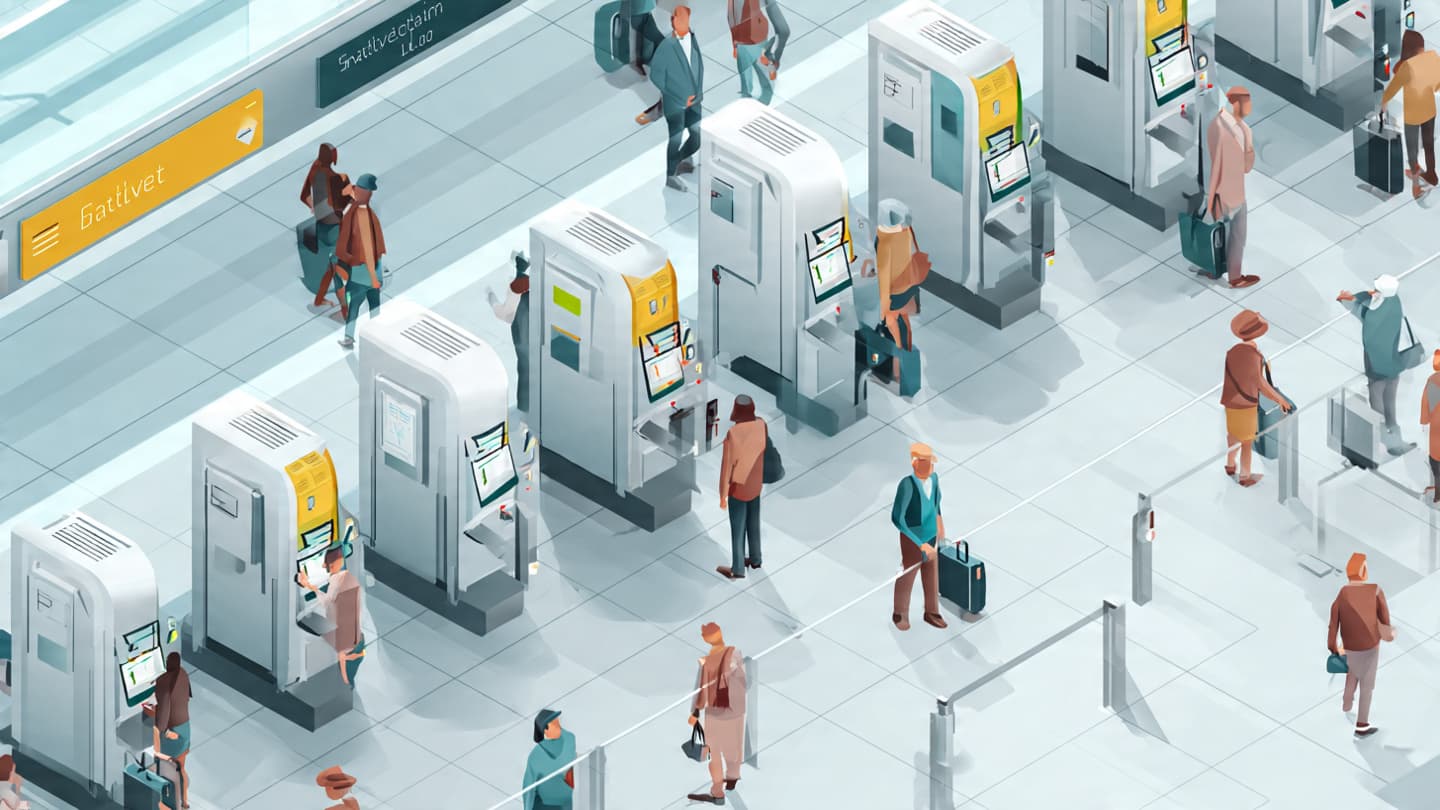
Key Highlights
- New System:The EU has launched a digital passport system for border control.
- Target Group:Primarily affects non-EU nationals entering the Schengen area.
- Goals:Aims to improve security and modernize border management.
The dawn of a new era in European travel has arrived with the European Union's latest initiative: a digital passport system designed to enhance border security while facilitating smoother movement across borders. This innovative framework, officially known as the Entry/Exit System, replaces traditional manual passport stamping with a more efficient electronic identity verification process. Following a phased rollout, the system is now fully operational in participating countries, marking a significant shift in how borders are managed within the Schengen area.
The digital passport system primarily targets non-EU nationals who are entering the Schengen zone for short stays. Upon their first entry, travelers will be required to provide essential biometric data, including passport information, fingerprints, and a facial image. This data will then be stored in a secure database, allowing for quicker verification during subsequent crossings. European officials assert that this modernization is crucial for enhancing security, identifying overstays, and reducing identity fraud, thereby streamlining border management.
However, the transition to this new system has not been without its challenges. Reports from various airports and border crossings indicate that travelers have experienced longer queues and technical glitches as both staff and passengers adapt to the new procedures. In light of these issues, several transport operators have requested flexibility during peak travel periods to alleviate congestion and improve the travel experience.
For many travelers, the shift from stamped passports to biometric scans may feel less personal and more procedural. While a stamped page once served as a tangible memory of their journey, the new system prioritizes efficiency over sentiment. This change reflects a broader trend in global travel, where digital identity systems are becoming increasingly prevalent. As Europe embraces this technological advancement, it may set a precedent for how travel will be managed in other regions around the world.
The EU's digital passport initiative is now in place, although authorities continue to refine its implementation. The long-term vision is to create a more seamless travel experience while maintaining robust oversight of external borders. As this system evolves, key questions surrounding convenience, privacy, and trust will undoubtedly accompany every innovation in border management.
AI Image Disclaimer: Some visuals accompanying this report may be AI-generated for illustrative use.
Published by Banx Network. This article is part of the Banx decentralized media programme, powered by the BXE token on the XRP Ledger.




