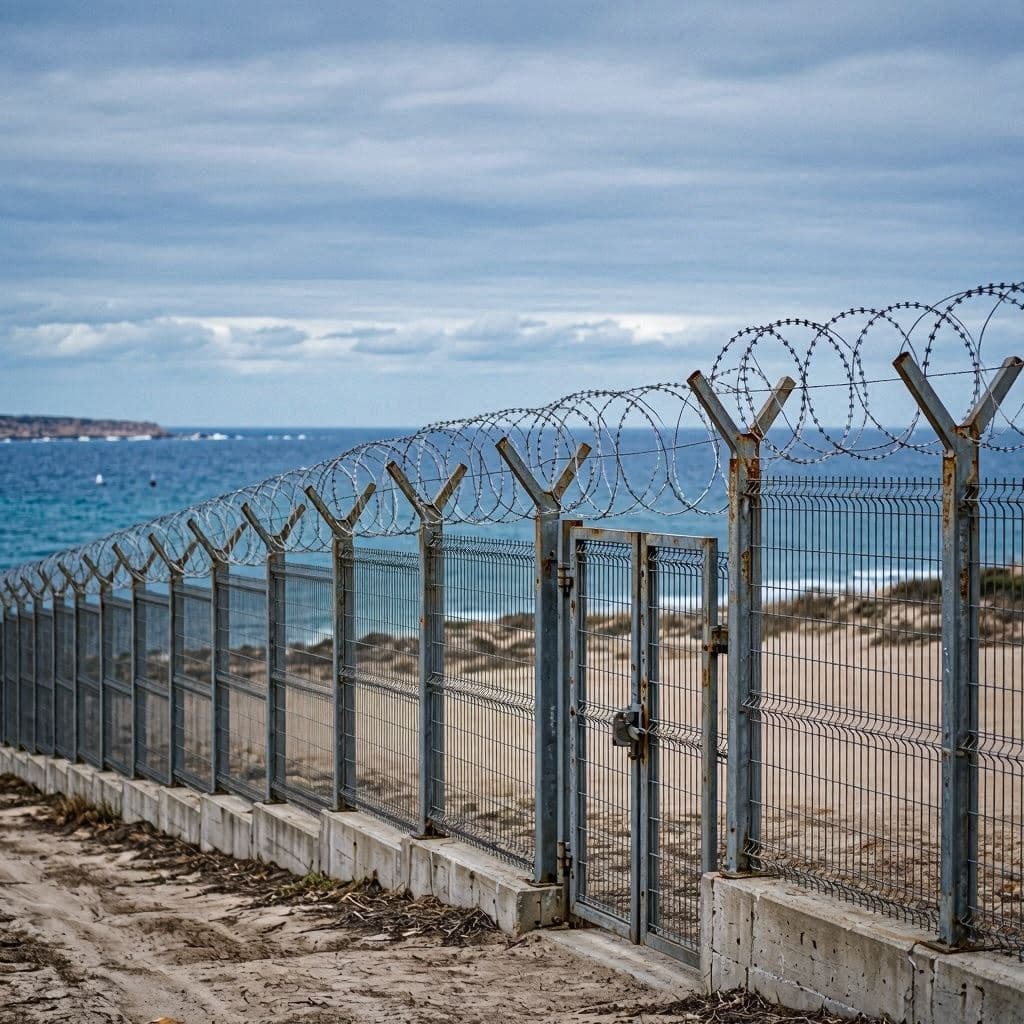
Borders are often lines on a map, but for those seeking refuge, they are formidable barriers filled with hope and despair. In the enclave of Ceuta, where Africa meets Europe, the flow of migrants has once again become a flashpoint for political tension. Spain has sharply criticized the response of certain European Union member states, labeling their reluctance to share the burden as "selfish." This diplomatic friction highlights the enduring challenge of migration policy in a union built on solidarity but tested by national interests.
The recent surge in migrant crossings into Ceuta has overwhelmed local resources, prompting Spain to call for greater support from its EU partners. Madrid argues that migration is a shared European responsibility, not just a border issue for frontline states. However, some countries have been hesitant to accept relocated asylum seekers or provide financial aid, citing domestic political pressures and security concerns. This disparity in response has fueled resentment in Spain, where officials feel abandoned by the very alliance they belong to.
Prime Minister Pedro Sánchez and other Spanish leaders have used strong language to describe the situation, emphasizing the moral and legal obligations of the EU. They point to the principles of solidarity and fair sharing of responsibility enshrined in European treaties. The term "selfish" reflects a deep frustration with what is perceived as a lack of empathy and cooperation from northern and central European nations.
The migrant crisis in Ceuta is complex, driven by factors ranging from economic instability in North Africa to geopolitical tensions. Morocco’s control over its borders plays a significant role, with fluctuations in enforcement often linked to diplomatic relations with Spain. When crossings increase, it puts immense pressure on Ceuta’s infrastructure and social services, requiring immediate and sustained support.
EU officials are attempting to mediate the dispute, calling for unity and a comprehensive approach to migration. Proposals for reforming the asylum system and improving border management are being discussed, but progress is slow. The divergence in national priorities makes consensus difficult, leaving frontline states like Spain, Italy, and Greece to bear the brunt of the arrivals.
Human rights organizations have joined the debate, urging the EU to prioritize the dignity and safety of migrants. They argue that restrictive policies and lack of support violate international law and humanitarian principles. The voices of civil society add moral weight to Spain’s political arguments, highlighting the human cost of bureaucratic stalemate.
For the migrants themselves, the political wrangling is a distant reality compared to the immediate struggle for survival. Many face dangerous journeys and uncertain futures, caught between the hopes of a better life and the realities of border control. Their plight underscores the urgency of finding a sustainable and humane solution to migration challenges.
Spain’s criticism of its EU partners underscores the fragility of European solidarity in the face of migration pressures. As Ceuta continues to manage the influx, the need for a unified and compassionate response becomes ever more critical, testing the true meaning of European unity.
AI Image Disclaimer: The images associated with this article are AI-generated illustrations designed to represent the themes of migration, borders, and political diplomacy.
Sources: Politico Europe, El País, Euronews, Reuters
Published by Banx Network. This article is part of the Banx decentralized media programme, powered by the BXE token on the XRP Ledger.