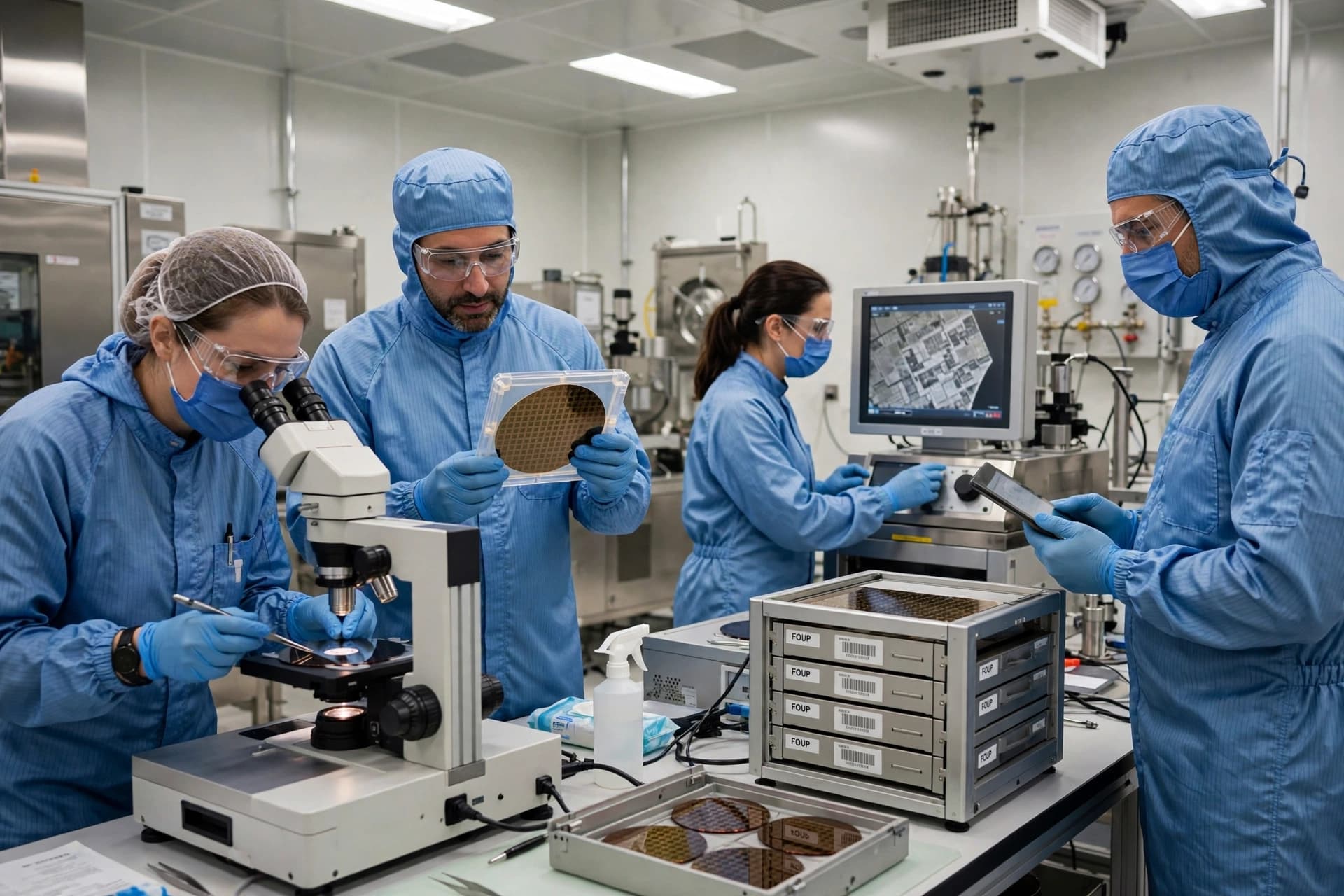
In Kabul’s dusty dawn markets, where the call to prayer mingles with the shuffle of daily commerce, an unusual emptiness has begun to take shape — not in the streets, but on the shelves of pharmacies. For years, much of Afghanistan’s medicine supply came through its western border, delivered land-route from neighboring Pakistan. But as political fractures widened and border crossings shuttered, that steady flow has abruptly ceased, leaving shortages that ripple from clinics to household cupboards.
On February 9, 2026, Afghanistan’s Ministry of Finance announced that imports of medicines produced in Pakistan would no longer be processed through customs, effectively banning their entry into the country. Traders were given a final deadline to complete pending transactions, a gesture meant to draw a line under decades of dependence on a single supplier. Officials said the pause would open space for “alternative supply routes” and new partnerships, though the immediate effect has been felt most acutely in pharmacies and health facilities.
The decision stems from broader tensions between the Taliban-led administration in Kabul and Islamabad, punctuated by repeated border closures and political disputes over trade guarantees and security. Deputy Prime Minister Abdul Ghani Baradar, who oversaw the announcement, framed the shift as a move toward self-reliance and dignity, urging importers to redirect their networks to other countries and to bolster domestic production.
Afghanistan’s reliance on imported medicines has long been profound; estimates suggest that between 70 % and 85 % of medicines once came from Pakistan. The sudden halt has triggered sharp price increases and raised concerns about access to antibiotics, insulin, and other essential drugs. Healthcare costs have reportedly risen — in some reports by more than 17 % since the ban was announced — adding pressure to families already struggling with economic hardship.
In response, the health ministry and traders have sought alternative partners. India, long an exporter of pharmaceuticals and medical aid, has increased shipments of affordable medicines and signed agreements aimed at ensuring a steadier supply. Iran and other regional partners have also been mentioned as potential sources, and there is talk of expanding domestic pharmaceutical production.
Yet, the transition has been neither smooth nor immediate. Some health workers warn that shortages persist in rural clinics, while unregulated medicines — often smuggled across closed borders — sometimes flood local markets, raising questions about quality and safety. Patients may pay more for familiar drugs, or settle for alternatives whose effectiveness they — or their physicians — may not fully trust.
For ordinary Afghans, the effects are tangible: a mother seeking antibiotics for a sick child, a diabetic searching for reliable insulin, a clinic administrator rationing stock. The ban, intended to lessen dependency on a single route of supply and to recalibrate trade ties, has also highlighted how vulnerable fragile health systems are to geopolitical shifts and economic realignments.
In the coming months, Afghanistan’s health and commerce officials will be tested: can new supply lines keep pace with demand? Will alternative imports and local production fill gaps without driving further price inflation? And will access to essential medicines remain stable as the nation navigates both internal challenges and a complex web of regional relations?
AI Image Disclaimer “Visuals are created with AI tools and are not real photographs.”
Sources (News Role) Agenzia Nova Afghanistan Peace Campaign (Khaama Press / Afghan news aggregates) RTV English / Afghan pharma import shift analysis
Published by Banx Network. This article is part of the Banx decentralized media programme, powered by the BXE token on the XRP Ledger.


.jpg&w=3840&q=75 "Qantas Grounds Plane After Passengers Report Bedbug Bites")