The fragile calm that has settled over the border between Yemen and Saudi Arabia in recent years was shattered this week by a renewed threat of conflict. A senior Houthi leader has issued a stark warning of a "siege" against the Kingdom, following an exchange of fire that targeted airports on both sides. This escalation serves as a sobering reminder of how quickly diplomatic progress can be undone by military miscalculation or political grievance.
The tension erupted after Houthi forces launched missiles and drones at Abha International Airport in southern Saudi Arabia. The group claimed the strike was a retaliatory measure, accusing Riyadh of attempting to block an Iranian passenger plane from landing at Sanaa International Airport. In response, Saudi air defenses intercepted several projectiles, but the incident has reignited fears of a broader regional war.
Abdul-Malik al-Houthi, the movement’s de facto leader, stated that if Saudi Arabia continues to violate Yemeni airspace or restrict access to Sanaa, his forces would impose a siege on the Kingdom’s vital assets. The rhetoric is sharp and deliberate, signaling a shift from the relative quiet of the past two years to a more aggressive posture. It underscores the Houthis’ willingness to use asymmetric warfare to achieve political objectives.
For Saudi Arabia, the threat poses a significant challenge to its security and economic stability. The Kingdom has invested heavily in defense systems and diplomatic outreach to secure its borders, yet the persistence of cross-border attacks highlights the limitations of military deterrence alone. The potential for disruption to oil infrastructure and civilian aviation remains a primary concern for Riyadh and its international partners.
The involvement of Iran adds another layer of complexity to the situation. Tehran’s support for the Houthis has long been a point of contention between the Islamic Republic and the Gulf states. While recent efforts at normalization between Saudi Arabia and Iran have offered hope for stability, this latest crisis tests the resilience of those diplomatic channels. Both sides must now decide whether to de-escalate or allow the conflict to spiral.
Civilian populations on both sides of the border bear the brunt of these hostilities. In Yemen, years of war have left the country devastated, with millions dependent on humanitarian aid. In Saudi Arabia, residents in border towns live with the constant anxiety of aerial threats. The human cost of this renewed tension is immeasurable, affecting lives, livelihoods, and mental well-being.
International mediators, including the United Nations and Oman, are urgently calling for restraint. They emphasize that dialogue remains the only viable path to lasting peace. However, trust is thin, and each act of violence makes the prospect of negotiation more difficult. The global community watches with apprehension, aware that a wider conflict could have far-reaching consequences for energy markets and regional security.
Closing: As the threat of a siege looms, the focus must remain on preventing further escalation. The safety of civilians and the stability of the region depend on the willingness of all parties to choose diplomacy over destruction, even in the face of provocation.
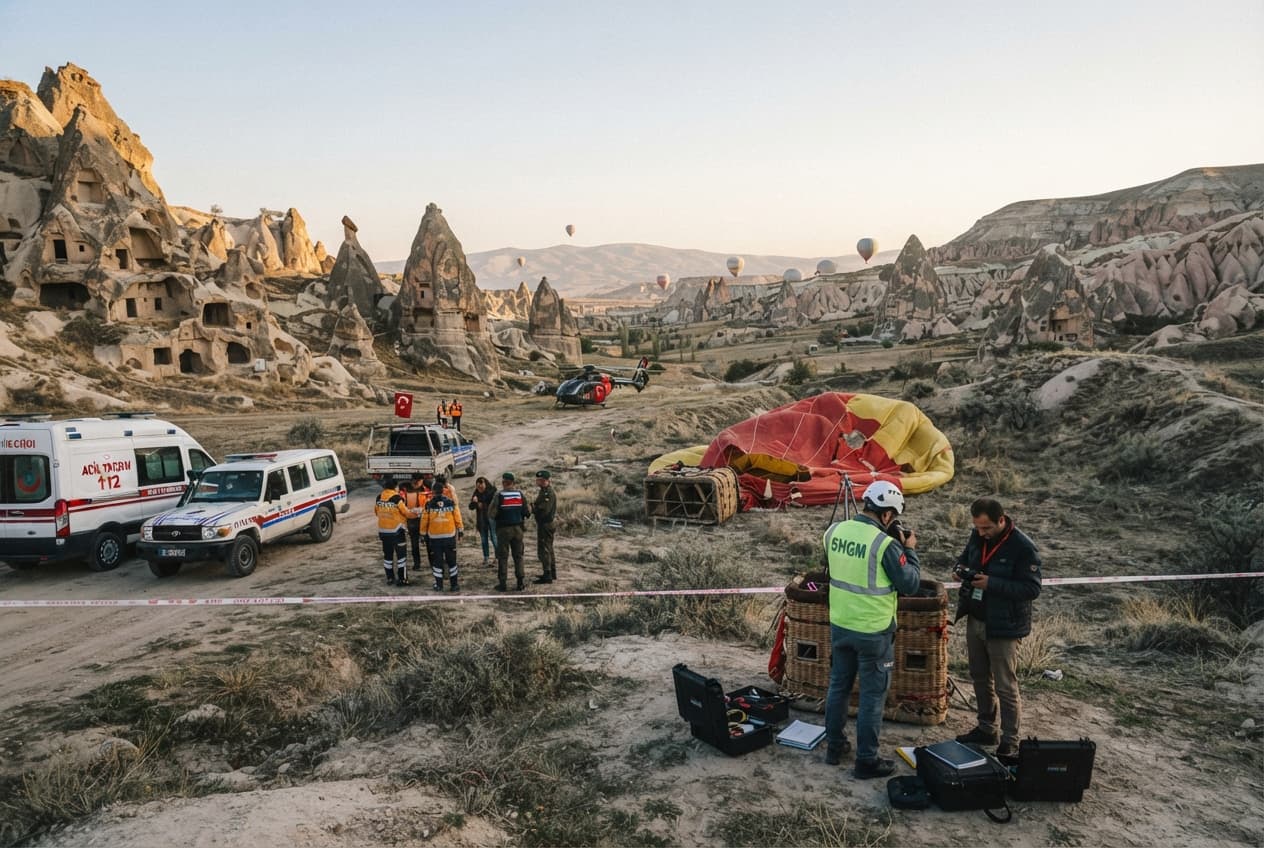
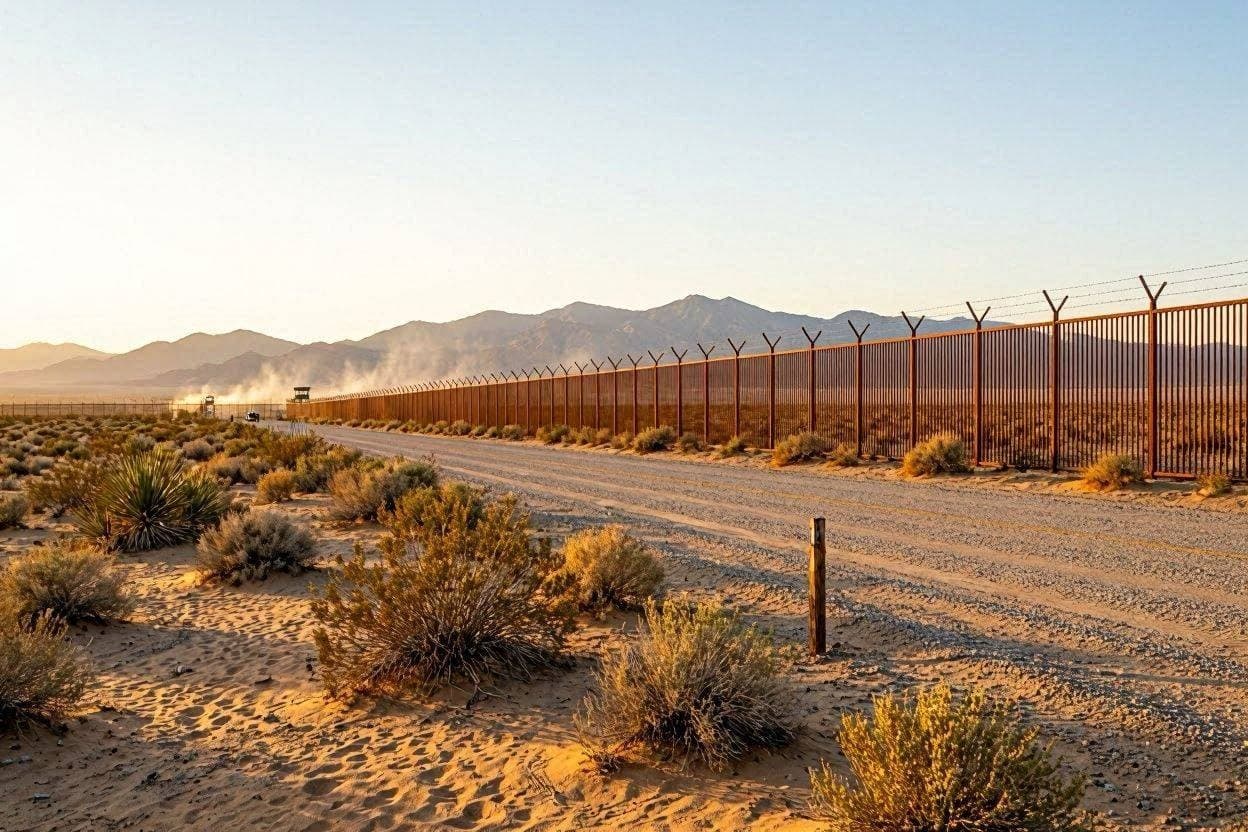
AI Image Disclaimer: The visual content accompanying this article is AI-generated for illustrative purposes and does not depict actual military operations or political figures.
Sources: Reuters AP News The New York Times Al Jazeera
Published by Banx Network. This article is part of the Banx decentralized media programme, powered by the BXE token on the XRP Ledger.