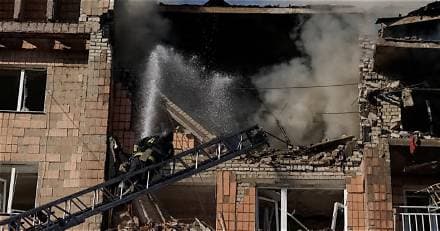
Khartoum, Sudan—An air strike struck an informal gold mining site along the remote border triangle between Sudan and Egypt on October 12, 2026, triggering a catastrophic structural collapse that killed at least 72 local workers underground.
The bombardment targeted surface processing facilities and primary entry shafts cut deep into desert rock formations. Explosive shockwaves shattered timber support beams, causing tons of earth and loose stone to cave in on hundreds of laborers working inside the lower subterranean tunnels.
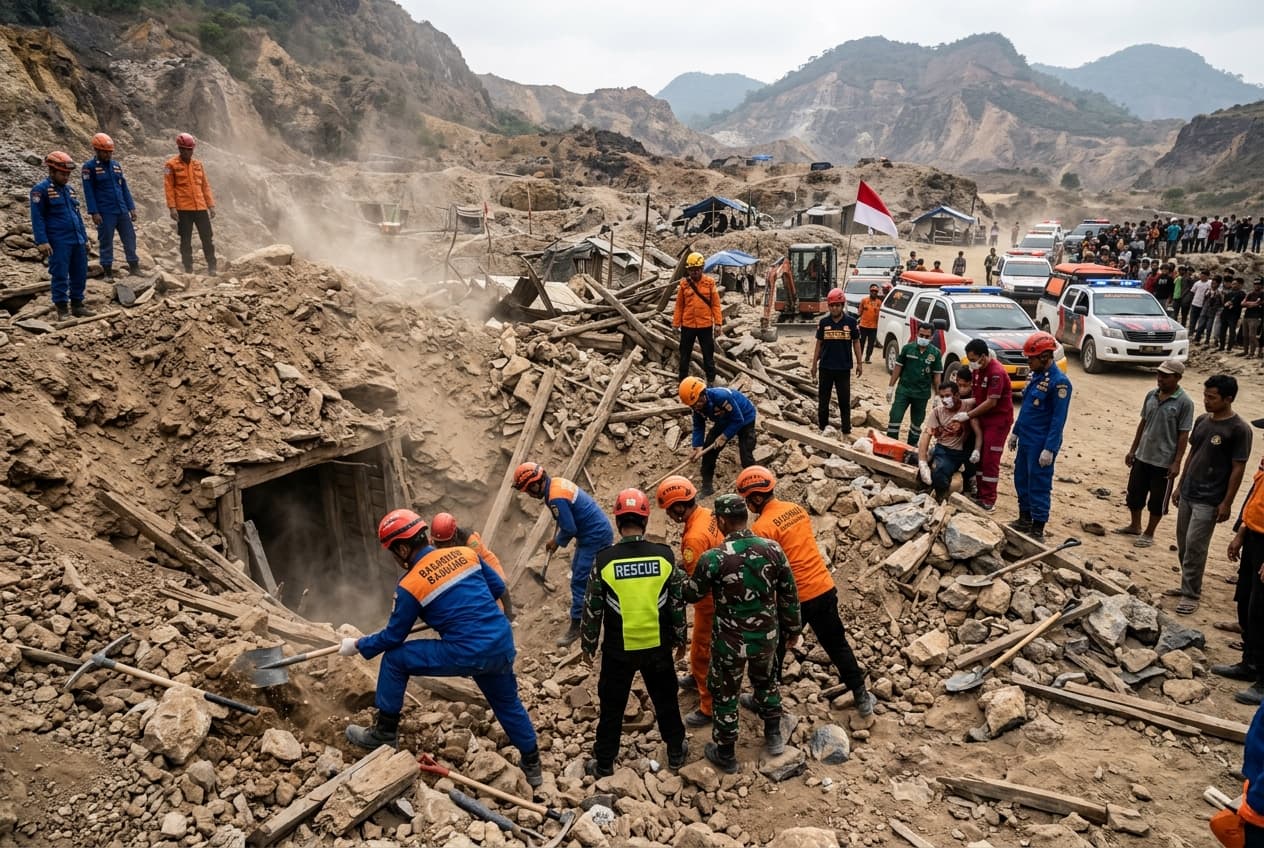
International wire services, including Pajhwok Afghan News and the Associated Press, citing regional legal monitoring groups and medical networks, confirmed the massive death toll as rescue efforts got under way. Survivors and local volunteers worked with bare hands and shovels to dig through dense rubble heaps.
The remote desert zone lacks formal emergency infrastructure, forcing local rescue teams to struggle against extreme heat and unstable stone overhangs without heavy excavation machinery. Medical teams warned that casualty figures could rise higher as workers remain trapped under deep earth layers
"The strike hit the primary shaft entrance without any advance warning," stated a local rights group representative coordinating casualty documentation from regional hubs. "The underground galleries caved in instantly, cutting off oxygen and escape routes for everyone inside."
Unregulated artisanal gold mining across the desert border zone has become a central economic lifeline and source of severe geopolitical friction, with rival military factions and armed smuggling groups competing over mineral extraction sites. Security conditions across the border corridor remain highly volatile and subject to unannounced aerial strikes.
Field medics established improvised triage stations under canvas tarps near the mine site to treat individuals dragged out with severe crushing injuries and suffocation symptoms. Transportation of critically wounded miners to distant urban hospitals remains delayed by harsh desert conditions and lack of paved roads.
No military command has formally claimed responsibility for launching the airstrikes against the mining encampment. Humanitarian organizations continue to call for immediate access corridors to allow heavy rescue equipment and international medical personnel into the isolated sector.
As of Monday evening, manual excavation efforts continue amidst unstable earth falls, with dozens of workers still missing inside collapsed underground shafts.
Published by Banx Network. This article is part of the Banx decentralized media programme, powered by the BXE token on the XRP Ledger.