
Key Highlights
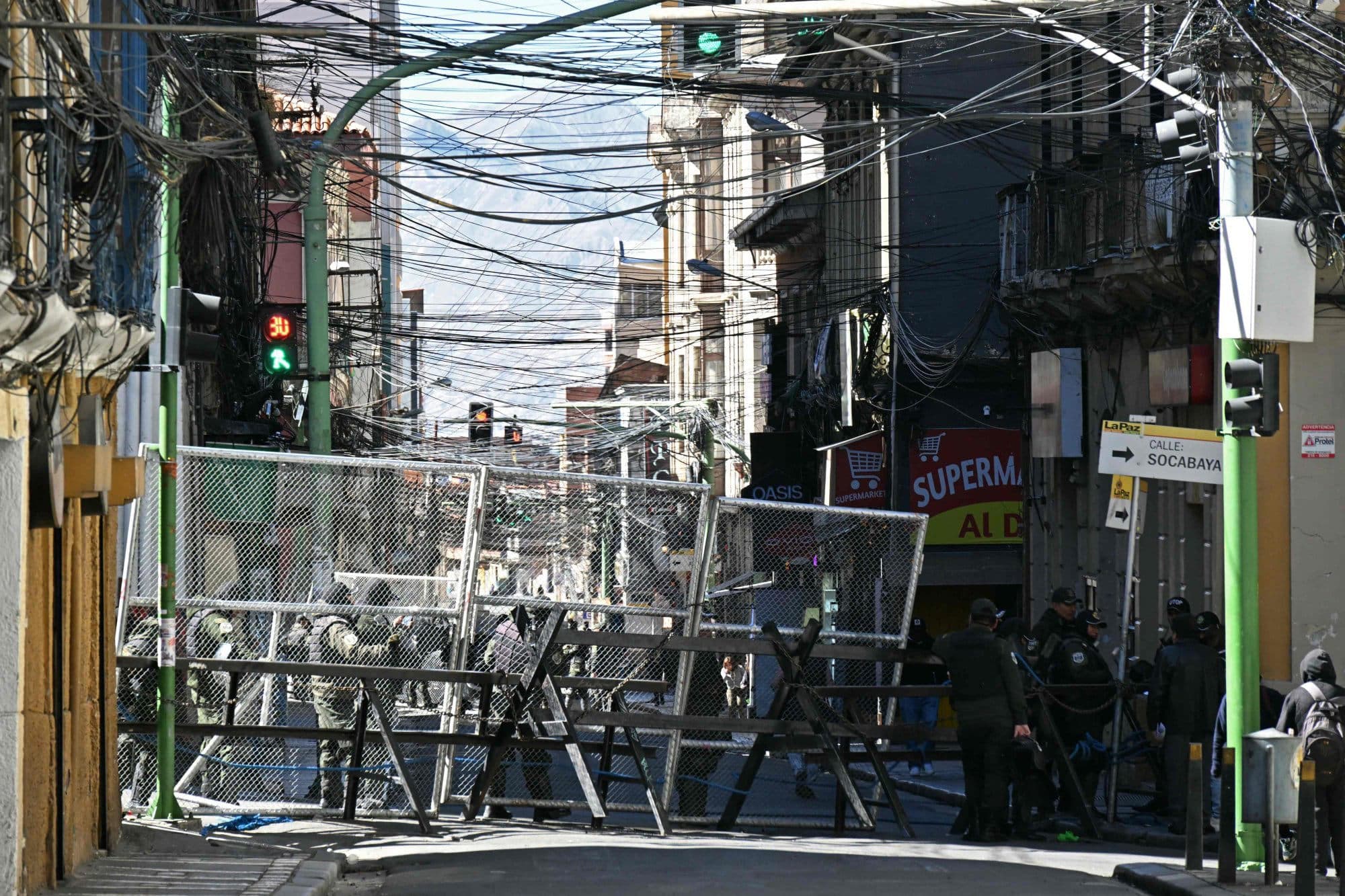
- Protests in La Paz have left the capital effectively under siege.
- Demands for wage hikes and economic stability are fueling unrest amid 14% inflation.
- The Bolivian economy is losing over $50 million daily due to road blockades.
La Paz, Bolivia, is currently experiencing a severe political crisis, as widespread protests have erupted, leaving the capital effectively under siege. These demonstrations have escalated into violent clashes between police and protesters, fueled by demands for wage hikes and economic stability amid crippling inflation rates, which have reached 14%. The unrest is primarily led by the Bolivian Workers’ Central (COB), peasant unions, and miners, who have organized significant road blockades that have emptied markets and left hospitals struggling with oxygen supplies. Authorities have reported at least three fatalities as emergency vehicles have been hindered from reaching medical centers.
Supporters of former President Evo Morales have joined the protests, leading to confrontations with law enforcement as they demand President Paz's resignation. Fernández Morales, who remains a pivotal figure in Bolivian politics, has been accused of inciting unrest to evade accountability. His involvement has intensified the protests, as many view the current government as a continuation of the political struggles that have plagued Bolivia for years.
President Rodrigo Paz, a centrist who rose to power unexpectedly, now faces intense scrutiny and criticism. He lacks legislative support, navigating a fractured political landscape where the party he represents quickly lost cohesion. While he asserts he inherited a "bankrupt state," his inertia in addressing crises marked by shortages and economic instability is drawing ire from the public. Many citizens feel that his administration has failed to provide adequate solutions to the pressing issues they face.
In the wake of blockades, the Bolivian economy is suffering losses exceeding $50 million per day, with thousands of vehicles stranded on highways. Workers from various sectors are pushing for reforms while expressing discontent with Paz's response to their demands. The economic impact of the protests is profound, affecting not only the immediate supply chains but also the long-term stability of the Bolivian economy.
"We're witnessing a struggle for democracy," Paz said, asserting that "those seeking to destroy it will go to jail." However, as protests gain momentum, many question his ability to stabilize the country without resorting to oppressive measures. The government's response to the unrest will be critical in determining whether the situation escalates further or if a resolution can be reached.
The crisis has alarmed regional neighbors, prompting statements of solidarity from allied governments. Simultaneously, the United States has indicated support for Paz's administration, emphasizing the need for order amidst chaos. This international perspective adds another layer of complexity to the situation, as external pressures may influence the government's actions.
As tensions continue to rise, the way forward appears fraught with challenges. The Bolivian government must seek to address the urgent needs of its citizens while maintaining a semblance of order, or risk further descent into widespread unrest. The coming days will be crucial in determining the trajectory of Bolivia's political landscape and the future of President Paz's administration.
Published by Banx Network. This article is part of the Banx decentralized media programme, powered by the BXE token on the XRP Ledger.



