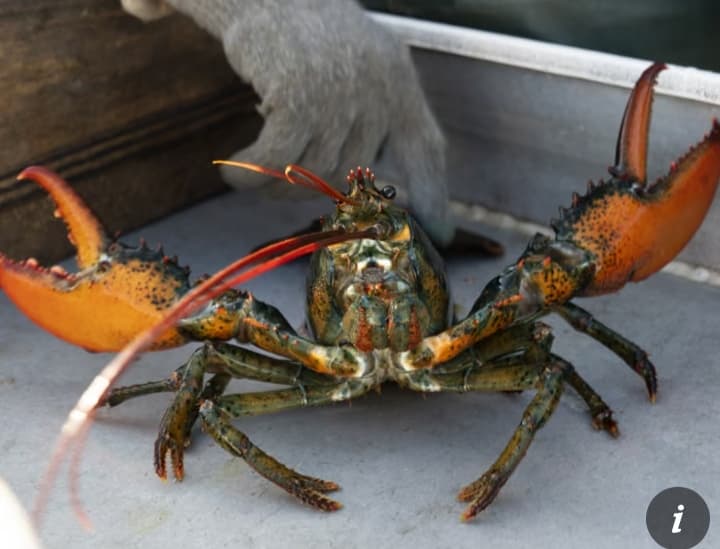
The UK government is set to introduce legislation that will ban the practice of boiling lobsters alive, a controversial method often used in cooking. This decision is part of a larger animal cruelty crackdown aimed at enhancing the welfare of marine animals, recognizing them as sentient beings capable of experiencing pain and suffering.
The legislation follows a growing body of scientific evidence suggesting that crustaceans, including lobsters, crabs, and shrimp, are capable of feeling pain. A landmark review carried out by experts concluded that these animals possess a nervous system and a brain that allows for the perception of harmful stimuli. Consequently, advocates for animal rights have long argued against the methods used in seafood preparation that cause unnecessary suffering.
The anticipated legislation is likely to face some pushback from the fishing and culinary sectors, where traditional preparation methods are deeply rooted. However, proponents argue that adapting to new standards is vital for ethical progression and addressing consumer concerns regarding animal cruelty.
As the UK moves forward with these proposed changes, the upcoming discussions will shape the future of animal welfare legislation and offer new avenues for humane practices across the culinary landscape.
Published by Banx Network. This article is part of the Banx decentralized media programme, powered by the BXE token on the XRP Ledger.