The pristine waters of California’s lakes are more than just scenic backdrops; they are delicate ecosystems that have evolved over millennia in isolation. Yet, this natural balance is perpetually threatened by unseen hitchhikers—microscopic organisms and small mollusks that cling to boat hulls and trailers, waiting for a chance to colonize new territories. In a recent victory for environmental stewardship, inspectors at a California lake interception station stopped a vessel heavily infested with invasive species, preventing what could have been an ecological disaster.
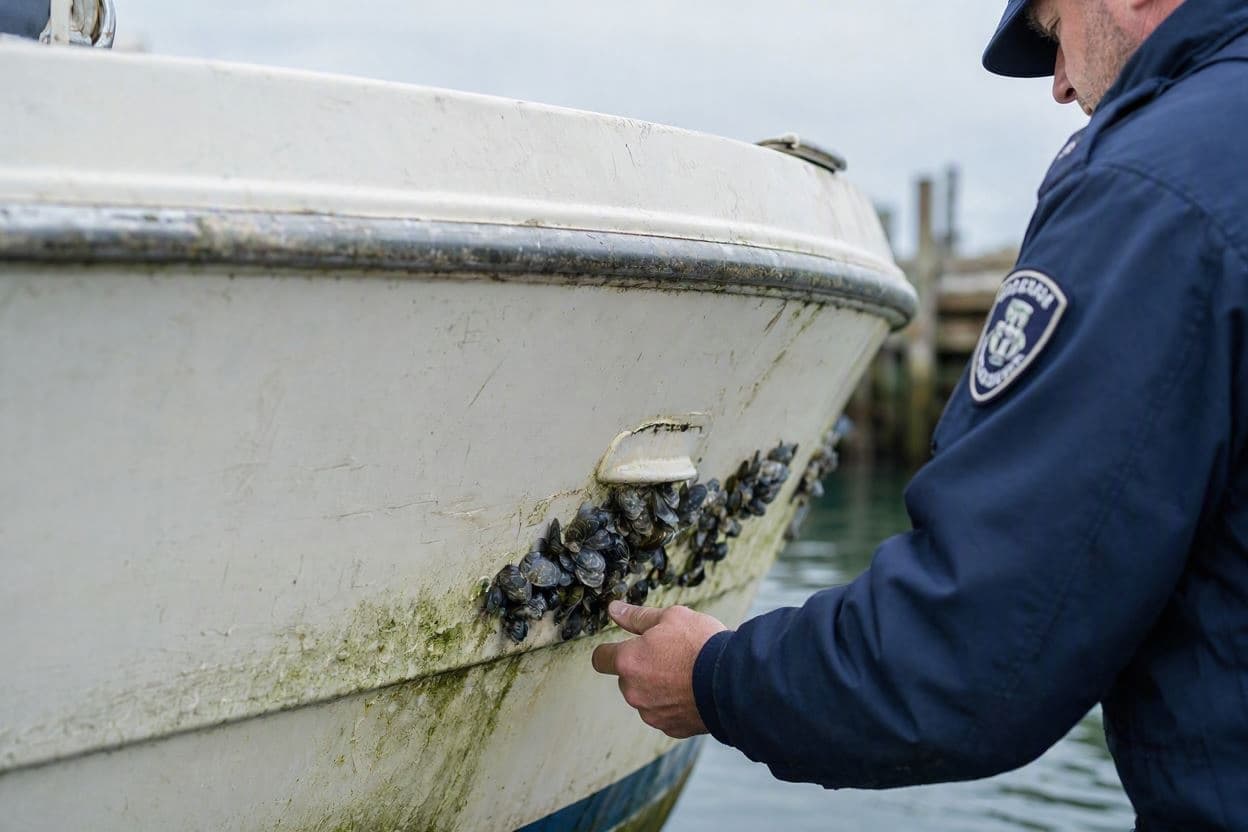
The incident occurred at a mandatory inspection checkpoint, where trained personnel scrutinize every watercraft entering sensitive bodies of water like Lake Tahoe or Folsom Lake. On this particular day, a routine check revealed a boat coated in golden mussels, an invasive species native to Southeast Asia that has recently been detected in the Sacramento-San Joaquin Delta. These mussels, though small, reproduce rapidly and can clog water intake pipes, disrupt food chains, and outcompete native species for resources.
For the boat owner, the interception was likely an inconvenience, resulting in a mandatory decontamination process that could take days. However, for the lake’s ecosystem, it was a narrow escape. Golden mussels are particularly concerning because they filter vast amounts of water, stripping it of the nutrients needed by native plankton and fish larvae. Their presence can alter the clarity and chemistry of the water, leading to cascading effects throughout the food web.
California’s Marine Invasive Species Program has been on high alert since the discovery of golden mussels in the delta in late 2024. The state has implemented stricter inspection protocols and public awareness campaigns to educate boaters about the risks of spreading invasive species. This recent interception underscores the effectiveness of these measures, demonstrating that vigilance at the point of entry is crucial for protecting inland waters.
The economic implications of such invasions are also significant. Infested lakes can suffer from reduced tourism, increased maintenance costs for water infrastructure, and declines in recreational fishing. By stopping the spread early, inspectors not only protect the environment but also safeguard the local economy that depends on healthy, accessible waterways. The cost of prevention is far lower than the cost of remediation.
Boaters play a critical role in this defense network. Many are unaware that even a small amount of water or debris left on a trailer can harbor invasive species. Education efforts focus on teaching the "Clean, Drain, Dry" method, which encourages users to remove all visible plant material, drain all water from boats and equipment, and allow them to dry completely before moving to a new body of water. Compliance with these simple steps can make a profound difference.
The team of inspectors who made the catch described the moment as both relieving and sobering. Relieving because they prevented a potential outbreak, and sobering because it reminds them that the threat is constant and evolving. As global trade and travel increase, so does the risk of introducing non-native species to vulnerable environments. Their work is a frontline defense in an ongoing battle for ecological integrity.
As the boating season continues, authorities urge all water enthusiasts to remain vigilant. Each inspection is a step toward preserving the natural beauty and biological diversity of California’s lakes. The intercepted boat serves as a reminder that our actions, however small, have ripple effects. By respecting these protocols, we contribute to the health of our shared natural heritage.
AI Image Disclaimer: The visual elements in this article are AI-generated illustrations depicting aquatic inspections and invasive species concepts, designed to visualize the importance of environmental protection without showing real individuals or specific locations.
Sources: Fox 40, KCRA, Tahoe Boat Inspections, California State Lands Commission
Published by Banx Network. This article is part of the Banx decentralized media programme, powered by the BXE token on the XRP Ledger.