TEGUCIGALPA, HONDURAS — A brutal escalation of coordinated gang warfare has left at least 25 people dead across Honduras, marking one of the deadliest weekends the Central American nation has seen in recent months. The sudden spike in casualties has overwhelmed local authorities and plunged terrified communities into lockdown.
The violence erupted in rapid succession across multiple neighborhoods known to be heavily contested by rival criminal syndicates. Reports from local law enforcement indicate that heavily armed hitmen launched synchronized assaults, targeting specific gathering points, residential pockets, and commercial streets.
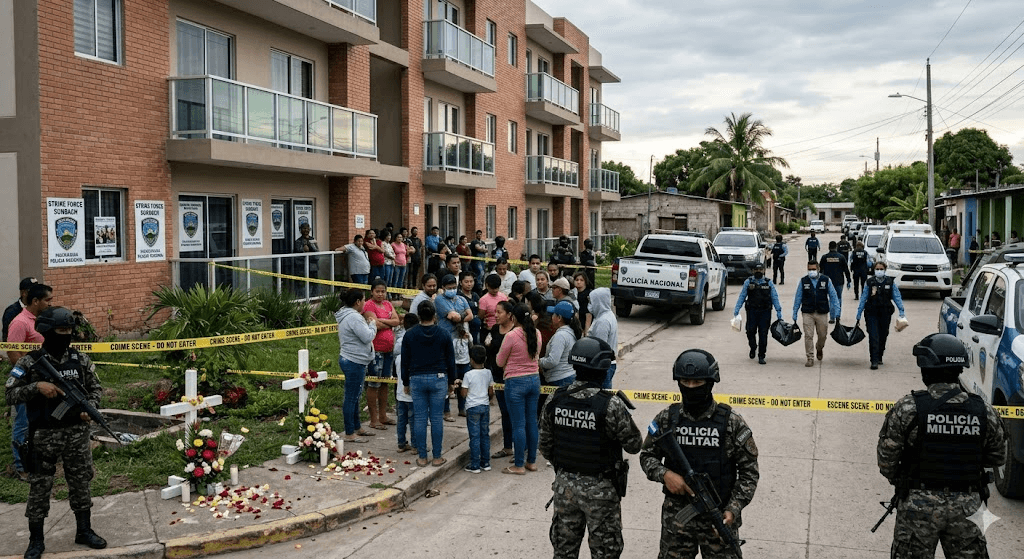
Eyewitnesses described scenes of absolute chaos as gunfire echoed through the streets, forcing civilians to dive for cover inside homes and businesses. Emergency medical services faced severe difficulties accessing the areas due to active shootouts, and by the time security forces managed to restore a fragile order, the death toll had rapidly climbed to 25.
Initial intelligence gathered by security analysts suggests the bloodshed is tied to an ongoing, aggressive turf war between dominant street gangs vying for control over lucrative extortion networks, local drug distribution routes, and contraband corridors.
The scale and precision of the attacks indicate a high level of planning and a blatant disregard for civilian bystanders, several of whom are feared to be among the casualties.
In the wake of the mass casualties, the Honduran government convened an emergency security cabinet meeting. Officials immediately announced a heavy deployment of military police and special forces units to the hardest-hit sectors, establishing strict checkpoints and launching localized sweeps to hunt down the perpetrators.
A government spokesperson condemned the "barbaric acts of terror" and pledged that the state would utilize all available resources to dismantle the leadership structures of the gangs responsible. A temporary curfew has been instituted in the affected zones to allow investigators to safely process the numerous crime scenes and prevent retaliatory strikes.
The tragedy underscores the persistent, deep-seated challenges Honduras faces in its fight against organized crime. Despite ongoing institutional reforms and periodic military crackdowns, the financial power and heavy weaponry possessed by these gangs continue to pose a severe threat to national stability.
As families begin the grim task of identifying their loved ones, international human rights observers are urging the government to ensure that its military response protects innocent civilians while aggressively pursuing justice against the criminal networks tearing the country apart.
Published by Banx Network. This article is part of the Banx decentralized media programme, powered by the BXE token on the XRP Ledger.