Key Highlights
- Institutional adoption of Bitcoin is increasing among banks and corporations.
- Regulatory clarity is encouraging more organizations to invest in Bitcoin.
- Technological advancements are improving accessibility for digital assets.
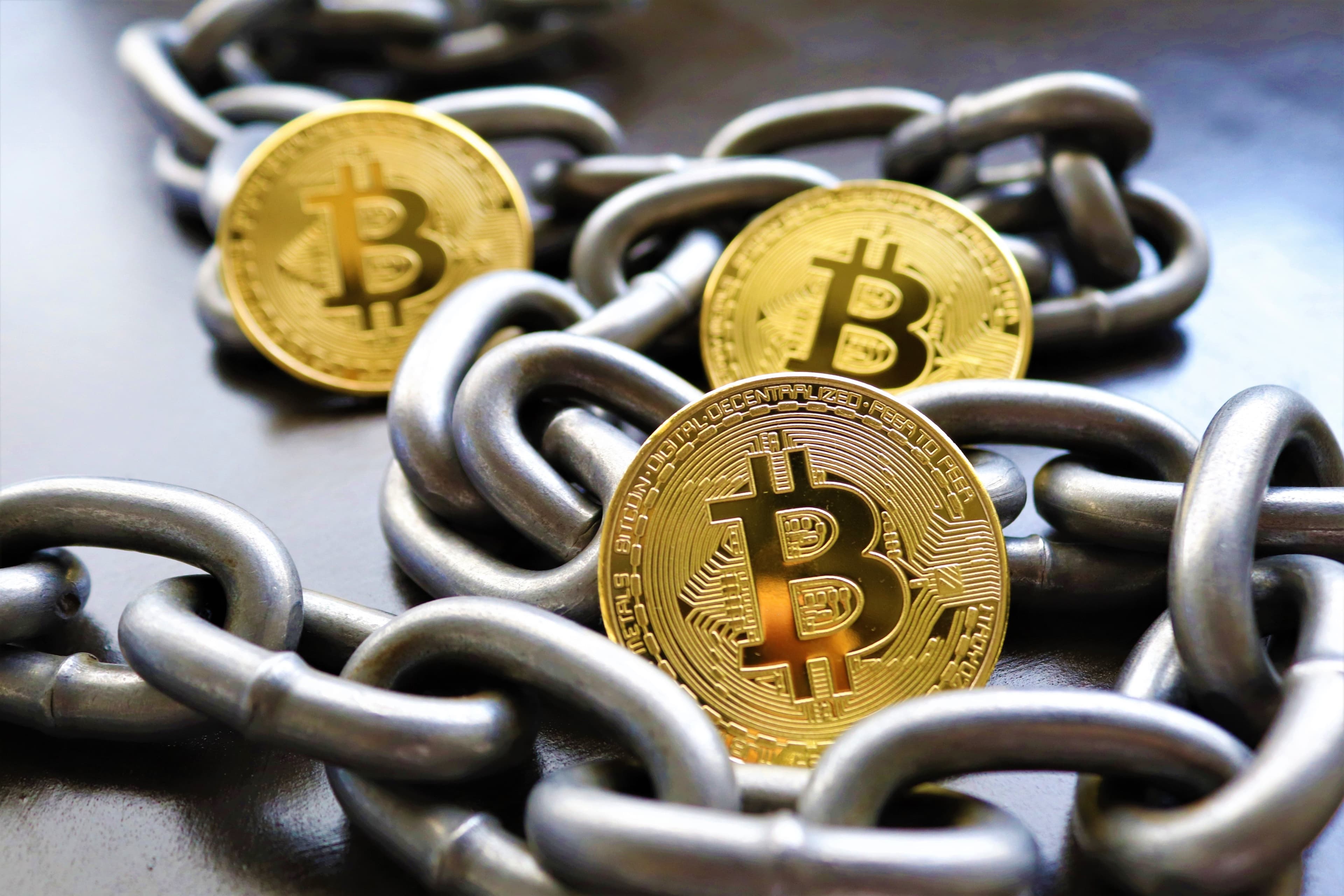
Bitcoin adoption among financial institutions is witnessing significant growth as banks, asset managers, payment companies, and publicly traded corporations expand their involvement in digital assets. This trend is largely driven by increased regulatory clarity in various jurisdictions, which has encouraged more organizations to explore Bitcoin not only as an investment but also as a component of broader financial services.
Large financial institutions are now introducing products that provide regulated exposure to Bitcoin, allowing investors to access the cryptocurrency through familiar investment platforms. Exchange-traded products, custody solutions, and digital asset trading services have become increasingly common as demand from institutional clients continues to rise. This shift indicates a growing acceptance of Bitcoin as a legitimate asset class within the financial sector.
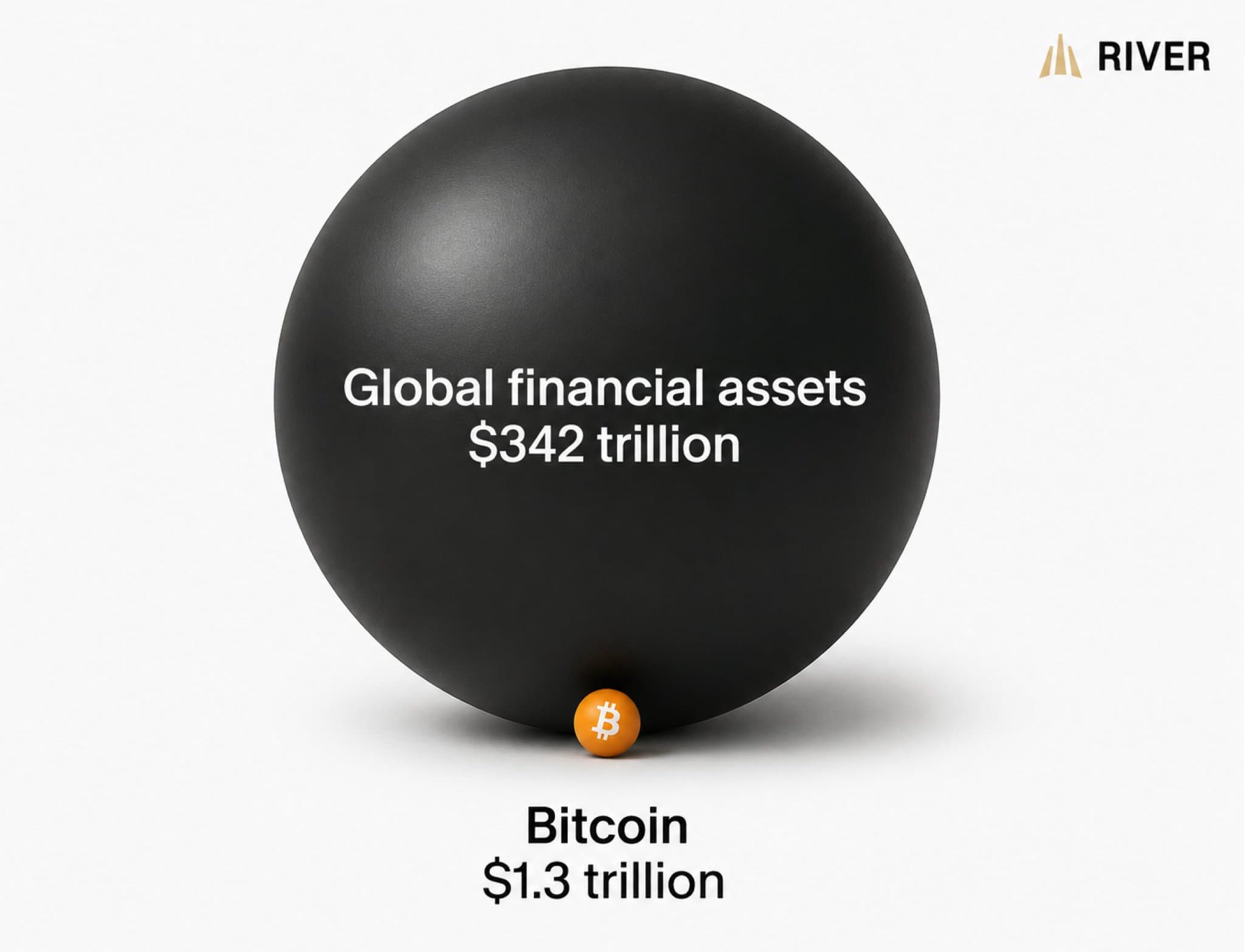
Supporters of Bitcoin argue that its limited supply and decentralized design make it an attractive long-term asset capable of serving as a hedge against inflation and currency depreciation. Conversely, some view it primarily as a high-risk investment with significant growth potential, driven by increasing adoption and market interest. This dual perspective reflects the ongoing debate surrounding Bitcoin's role in the financial ecosystem.
Corporate interest in Bitcoin has also expanded, with businesses evaluating the cryptocurrency for treasury diversification, international payments, and blockchain innovation. As companies recognize the potential benefits of integrating Bitcoin into their financial strategies, the landscape for digital assets continues to evolve. Meanwhile, governments are developing regulations intended to protect investors while supporting responsible growth within the digital asset industry.
Despite the growing acceptance of Bitcoin, it remains subject to price volatility. Market sentiment can change rapidly in response to macroeconomic developments, regulatory announcements, technological upgrades, and investor activity. Analysts emphasize the importance of risk management and diversification for investors navigating this volatile landscape.
Technological improvements within the Bitcoin ecosystem are also contributing to broader adoption. Innovations such as layer-two payment solutions, enhanced security infrastructure, and expanding financial services are improving accessibility for both institutions and retail participants. These advancements are crucial for fostering a more inclusive financial environment.
As digital assets become increasingly integrated into the global financial system, Bitcoin is expected to remain a central focus for investors, regulators, and technology companies seeking to shape the future of decentralized finance. The ongoing developments in this space will likely influence the trajectory of Bitcoin adoption and its role in the broader financial landscape.
Published by Banx Network. This article is part of the Banx decentralized media programme, powered by the BXE token on the XRP Ledger.