
Key Highlights
- Wall Street veteran warns of potential AI investment shock.
- Concerns raised about rising valuations and fragile revenue models.
- Historical parallels drawn to past market bubbles.
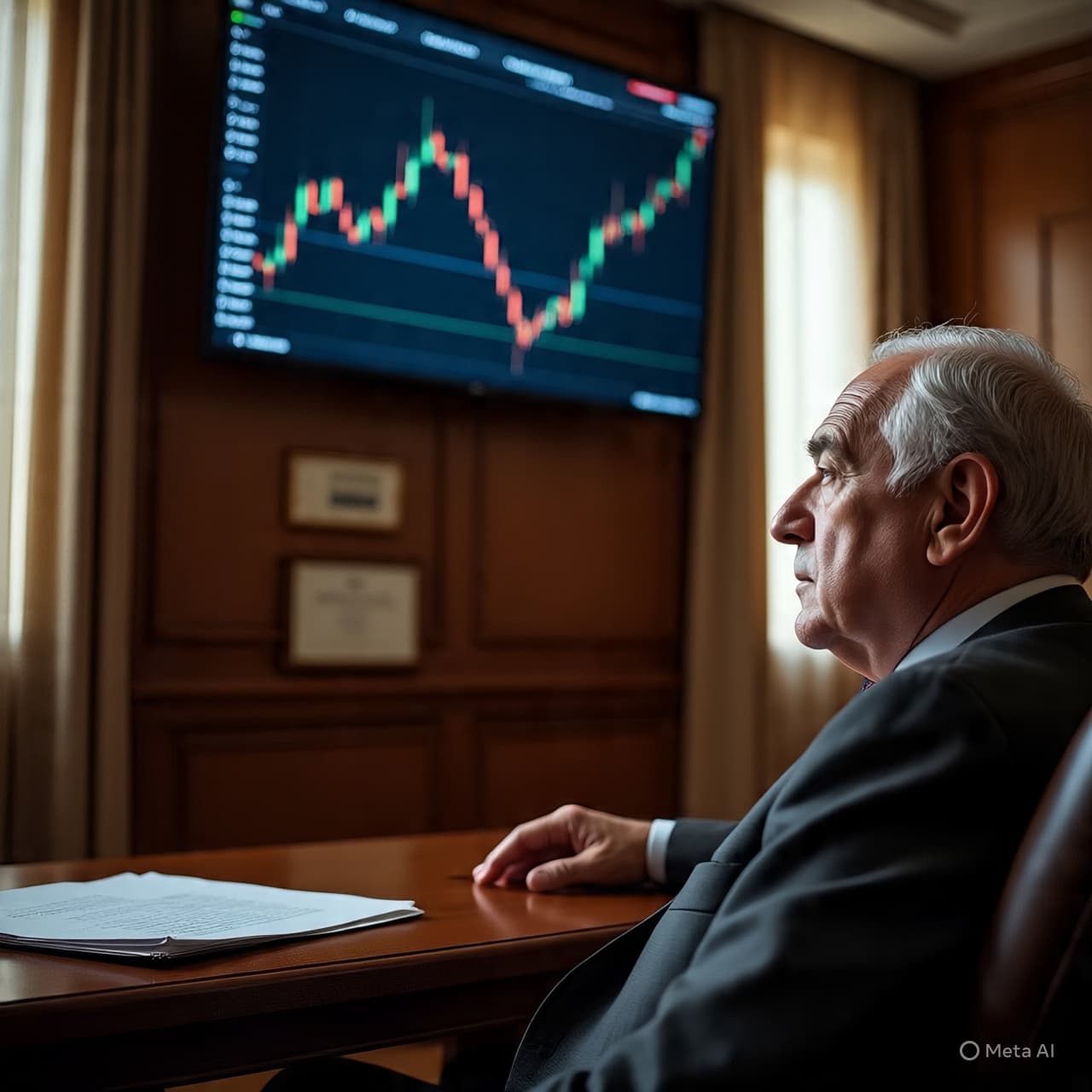
In the hushed boardrooms of global finance, where capital moves in quiet currents, an unusual voice has grown louder. A veteran of Wall Street, after decades riding market cycles, now speaks of a risk not yet mainstream: that the current surge of investments in artificial intelligence—massive, global, and unevenly understood—could set off a shock not just in tech stocks, but in the broader economy.
This veteran, who has witnessed the rise and fall of various market trends, is sounding the alarm about the current AI investment landscape. He observes that while there is undeniable excitement surrounding AI technologies, the underlying financial metrics tell a different story. He looks at the numbers and sees a pattern of rising valuations, escalating capital expenditures, and fragile revenue models. These factors, he argues, could lead to a precarious situation for investors who may be overly optimistic about the future of AI.
The concentration of investment in a small cluster of players further exacerbates the risk. With a significant amount of capital flowing into a handful of AI companies, the potential for market dislocation increases. The veteran recalls how previous market bubbles—such as the dot-com bubble of the late 1990s—began with promise and excitement but ultimately ended in disarray. The current cheer for AI, he argues, bears troubling resemblance to those earlier episodes, where initial enthusiasm gave way to harsh realities.
As AI technologies continue to evolve and integrate into various sectors, the implications for the broader economy remain uncertain. The veteran emphasizes the need for caution among investors, urging them to consider the long-term sustainability of AI business models. He believes that without a solid foundation, the current AI investment frenzy could lead to significant financial repercussions.
In light of these concerns, some investors are beginning to seek insurance against potential losses in the AI sector. This shift reflects a growing awareness of the risks associated with the rapid rise of AI investments. As the market grapples with these challenges, the veteran's warnings serve as a reminder of the importance of due diligence and critical analysis in investment decisions.
The conversation surrounding AI investments is likely to intensify as more stakeholders enter the fray. As the technology continues to advance, the financial community must navigate the complexities of this evolving landscape. The veteran's insights highlight the need for a balanced approach to investing in AI, one that weighs potential rewards against the inherent risks.
In conclusion, while the allure of AI is undeniable, the lessons from past market bubbles should not be forgotten. Investors must remain vigilant and informed as they navigate this new frontier in finance, ensuring that they do not repeat the mistakes of history.
Published by Banx Network. This article is part of the Banx decentralized media programme, powered by the BXE token on the XRP Ledger.



