

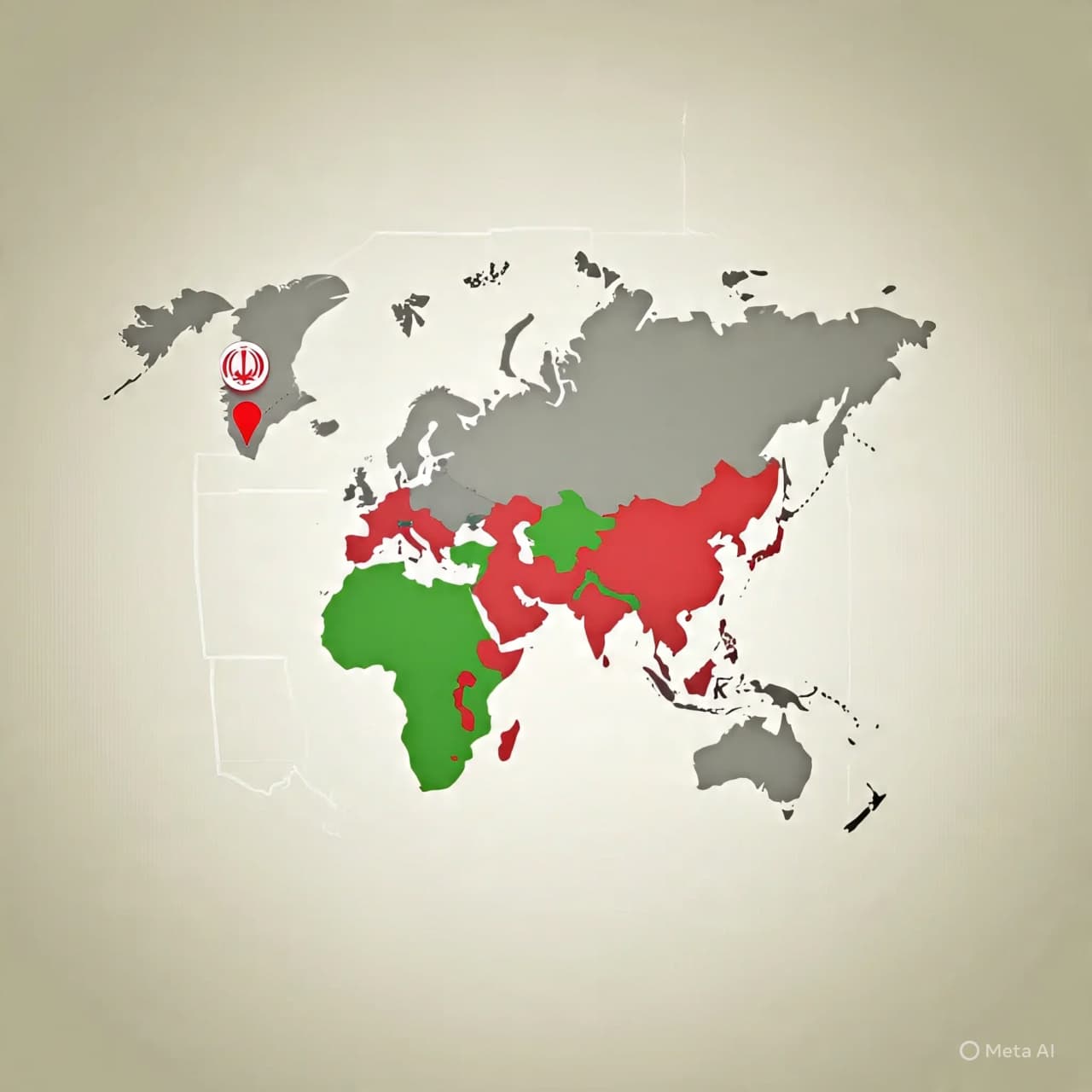
Key Highlights
- Trump claims to have exceeded objectives in U.S.-Iran relations.
- Supporters cite economic sanctions and military posturing as successes.
- Critics argue about the lack of a diplomatic framework and rising tensions.
Former President Donald Trump recently asserted that his administration not only met but exceeded its objectives regarding U.S.-Iran relations. This bold claim comes in the wake of ongoing tensions and complex geopolitical dynamics that have characterized the region in recent years. As analysts and political commentators dissect these assertions, it becomes crucial to evaluate the tangible outcomes of the policies implemented during his tenure.
During Trump's presidency, the U.S. adopted a series of aggressive measures aimed at curbing Iran's influence. These included the imposition of stringent economic sanctions, a significant military presence in the region, and the controversial withdrawal from the Iran nuclear deal in 2018. Supporters of these policies argue that they successfully pressured Iran, leading to a shift in its regional behavior and a demonstration of U.S. resolve. They point to instances where Iran appeared to back down in the face of U.S. military posturing as evidence of success.
However, critics of Trump's approach highlight the absence of a sustainable diplomatic framework as a significant flaw. They argue that while immediate pressures may have been effective, the long-term consequences have been detrimental. Tensions between the U.S. and Iran escalated during Trump's presidency, culminating in incidents that raised fears of broader conflict. The lack of a diplomatic resolution has left many questioning whether the objectives were truly met or merely a temporary reprieve from escalating hostilities.
Recent developments, including discussions of a potential truce between the U.S. and Iran, further complicate the narrative surrounding Trump's claims. Analysts suggest that the need for negotiations may indicate that earlier strategies did not achieve their intended goals. The concept of exceeding objectives in such a complex geopolitical landscape is inherently subjective, often depending on how success is defined.
International observers have emphasized the importance of assessing outcomes based on measurable changes rather than mere declarations. This includes evaluating shifts in policy, security conditions, and the overall state of diplomatic relations. As the political landscape continues to evolve, the gap between intention and outcome remains a critical area for analysis.
In conclusion, the discussion surrounding Trump's claims reflects a broader reality in modern geopolitics, where declarations of success must be scrutinized against the backdrop of actual results. The interplay between intention and outcome is where the most significant insights can be gleaned, highlighting the complexities of international relations and the challenges of achieving lasting peace and stability.
Published by Banx Network. This article is part of the Banx decentralized media programme, powered by the BXE token on the XRP Ledger.




