

Key Highlights
- Rural communities in China maintain traditions amidst modernization.
- Daily life in villages contrasts sharply with urban centers.
- Hospitality and social connections are central to village culture.
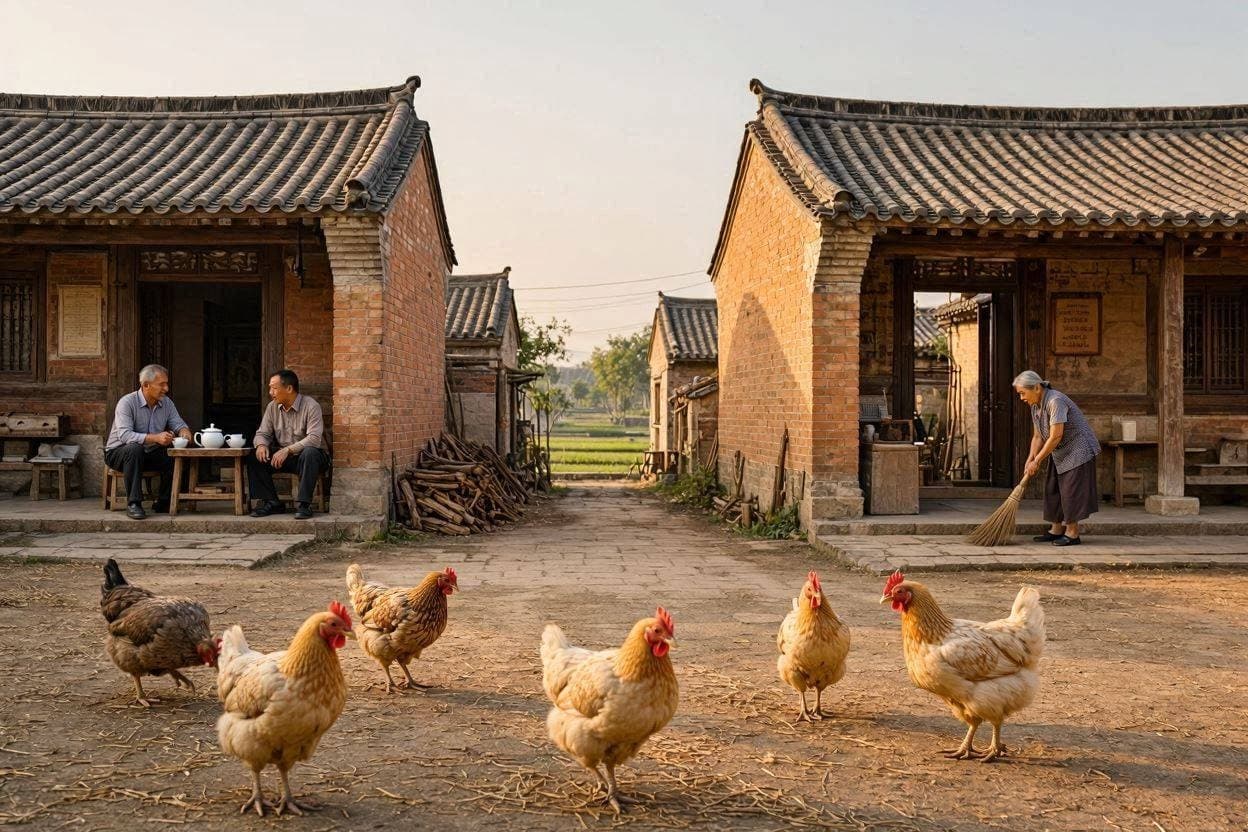
Understanding China often begins far from its glittering skylines. Beyond the towers of Beijing and Shanghai lies a landscape where conversations unfold over steaming cups of tea, chickens wander through village courtyards, and memories of history quietly share space with the routines of everyday life. This exploration of rural communities reveals that a nation of more than 1.4 billion people cannot be captured by a single image.
In these villages, daily life moves at a gentler pace than in China's major cities. Neighbors gather to share tea, exchange stories, and assist one another with seasonal work. Livestock, family gardens, and small farms remain integral to everyday life, reflecting traditions that have endured despite decades of rapid economic transformation. The simplicity of village life offers a stark contrast to the fast-paced urban environment, allowing for a deeper connection to cultural roots.
History is woven into the landscape of these rural areas. Portraits of Chairman Mao Zedong can still be found in some homes and public spaces, often serving as reminders of an era that shaped generations rather than as overt political statements. Older residents recall periods of profound change, while younger people navigate the balance between respecting family traditions and embracing the opportunities and challenges presented by modern China.
Hospitality is a defining feature of village life. Visitors are frequently welcomed with locally prepared meals and cups of fragrant tea, reflecting customs that emphasize community and generosity. These gatherings provide opportunities to discuss farming, family, education, and the changing fortunes of rural communities, illustrating how social connections continue to play an important role in everyday life. The warmth of these interactions highlights the importance of community in a rapidly changing world.
China's rural regions have experienced significant change over recent decades. Improved roads, internet access, and expanding markets have connected many villages to the broader economy. However, younger generations often leave for education or employment in urban centers, creating demographic shifts that reshape village life while leaving older residents to preserve long-standing customs. This migration poses challenges for rural communities, as they strive to maintain their cultural identity in the face of modernization.
Despite these changes, many communities continue to celebrate local festivals, prepare regional cuisine, and uphold customs passed down through generations. These traditions coexist with smartphones, online commerce, and modern transportation, illustrating how continuity and change often develop side by side rather than replacing one another. The resilience of these communities showcases their ability to adapt while retaining their unique cultural heritage.
Observers note that everyday experiences in rural China offer perspectives that differ from international headlines focused primarily on geopolitics or economic competition. Conversations around family tables, shared meals with neighbors, and ordinary routines reveal a dimension of Chinese society that is often less visible but equally important in understanding the country's diversity. The real China is not defined by a single village, city, or historical figure; instead, it emerges through countless local experiences that reflect both continuity and change.
As rural communities adapt to a rapidly evolving nation, they continue to preserve traditions that offer valuable insight into China's cultural and social landscape. The stories of these villages remind us that the essence of a nation lies not only in its cities but also in the heart of its rural communities, where history and modernity coexist harmoniously.
Published by Banx Network. This article is part of the Banx decentralized media programme, powered by the BXE token on the XRP Ledger.




