From a highway, a data center can look almost still. Behind its walls, however, thousands of machines may be processing information continuously, consuming electricity and generating heat. Across the United States, that quiet activity is beginning to leave a much louder footprint in factories and industrial supply chains.
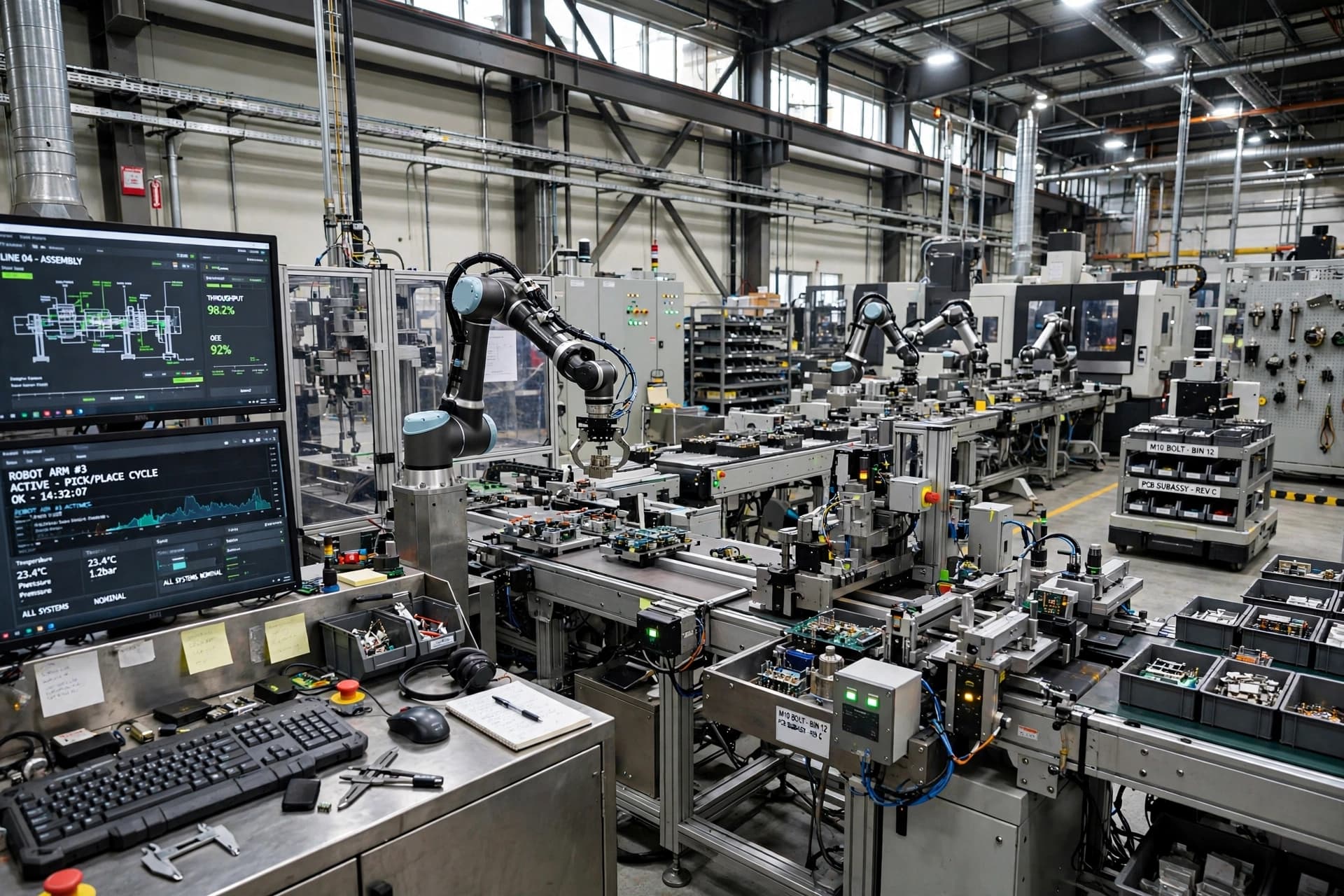
The country's data-center boom, driven largely by the rapid adoption of artificial intelligence, is creating unexpected demand for manufacturers far beyond the technology sector. Reuters reports that producers of generators, cooling systems, electrical equipment, steel bearings, construction machinery, cables, pipes, and prefabricated building components are benefiting from the expansion.
One example is Generac, which is investing $250 million by the end of next year to equip several factories to produce larger commercial generators designed for data centers. The company already has a $1.6 billion backlog for those machines and expects to add around 1,000 workers.
The effect continues outward. Timken, an Ohio-based manufacturer of engineered steel bearings, has seen data centers add another source of demand alongside traditional industries such as aerospace and defense. Siemens is also investing $200 million in new U.S. plants and securing longer-term customer agreements.
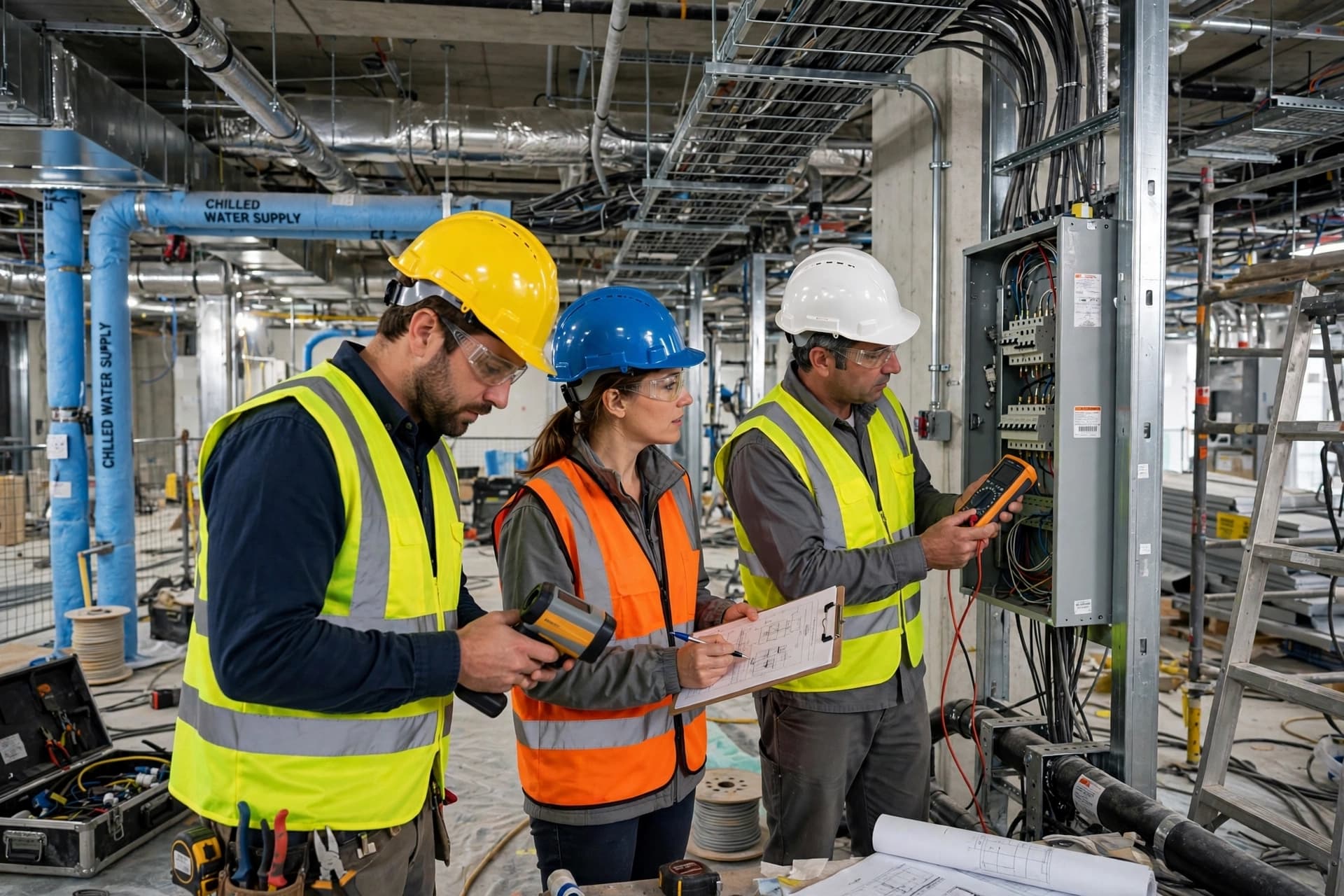
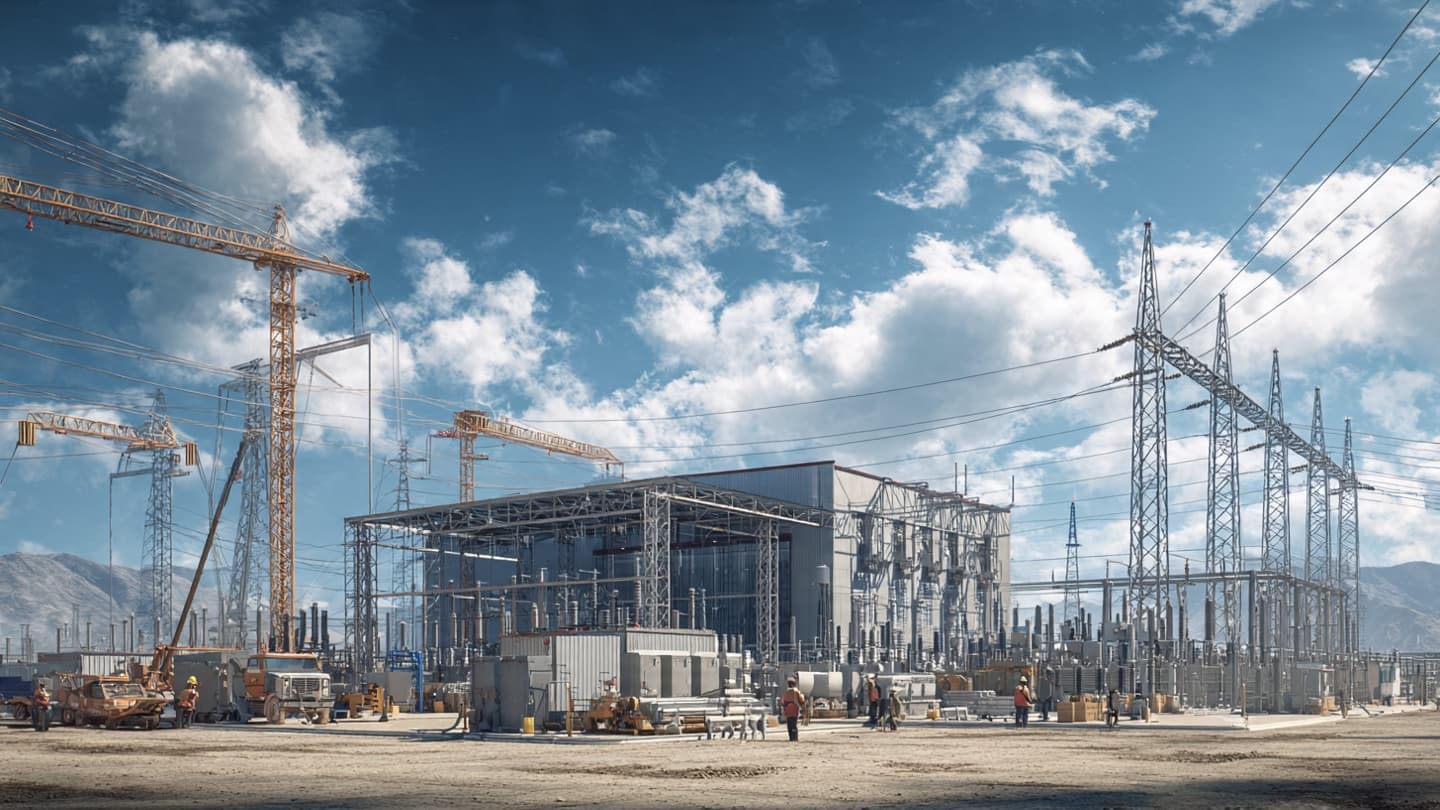
The connection between artificial intelligence and these factories is easy to overlook. Software may be the visible face of the AI economy, but the systems behind it require physical infrastructure. Data centers need buildings, roads, electrical transformers, generators, cooling equipment, cables, pipes, and countless other components before a single algorithm can run.
That has created a different kind of industrial landscape. A factory producing equipment that once served conventional construction or energy markets may now find itself supplying one of the fastest-growing areas of the technology economy. Some smaller manufacturers have reported revenues doubling or tripling as data-center demand reaches deeper into their businesses.
The expansion is also being reflected in employment. U.S. factories added 5,000 jobs in July, bringing manufacturing employment gains for the year to 31,000, according to data cited by Reuters. That represents a notable change from 2025, when factories reduced employment by 113,000 positions.
But the industrial boom is not without uncertainty. The companies benefiting from current orders are also watching the pace of data-center construction carefully. Siemens, for example, is pursuing long-term agreements partly to protect itself against the possibility that the investment cycle could eventually slow.
For the moment, however, demand remains visible across the supply chain. Trucks carry equipment toward new facilities, factories expand production lines, and workers take positions created by an industry whose main products are largely invisible. The physical economy is quietly following the digital one.
The American data-center boom therefore reaches beyond computers and cloud services. It is becoming a story about electricity, manufacturing, construction, employment, and industrial capacity, with artificial intelligence acting as the force connecting these separate parts of the economy.
AI Image Disclaimer
The accompanying illustrations were generated with AI and are intended as conceptual visualizations rather than authentic news photographs.
Sources
Reuters — The unexpected winners of America’s data-center boom — August 19, 2026.
Reuters — Demand from US data-center boom radiates out through factory supply chains — August 19, 2026.
Published by Banx Network. This article is part of the Banx decentralized media programme, powered by the BXE token on the XRP Ledger.