

Key Highlights
- Girona has four of the ten most hazardous roads in Catalonia.
- Recent assessments reveal a higher incidence of serious accidents on conventional roads.
- Authorities are implementing safety measures to reduce risks on these routes.
[Overview of Road Safety in Girona]
In the picturesque province of Girona, Catalonia, a recent safety assessment has unveiled alarming insights into the region's road safety. The analysis identifies four of the ten most hazardous road sections in Catalonia, emphasizing the need for increased awareness and precaution among drivers. These findings stem from a comprehensive evaluation of accident data, which highlights the stark contrast between conventional roads and motorways in terms of safety.
[The Risky Roads]
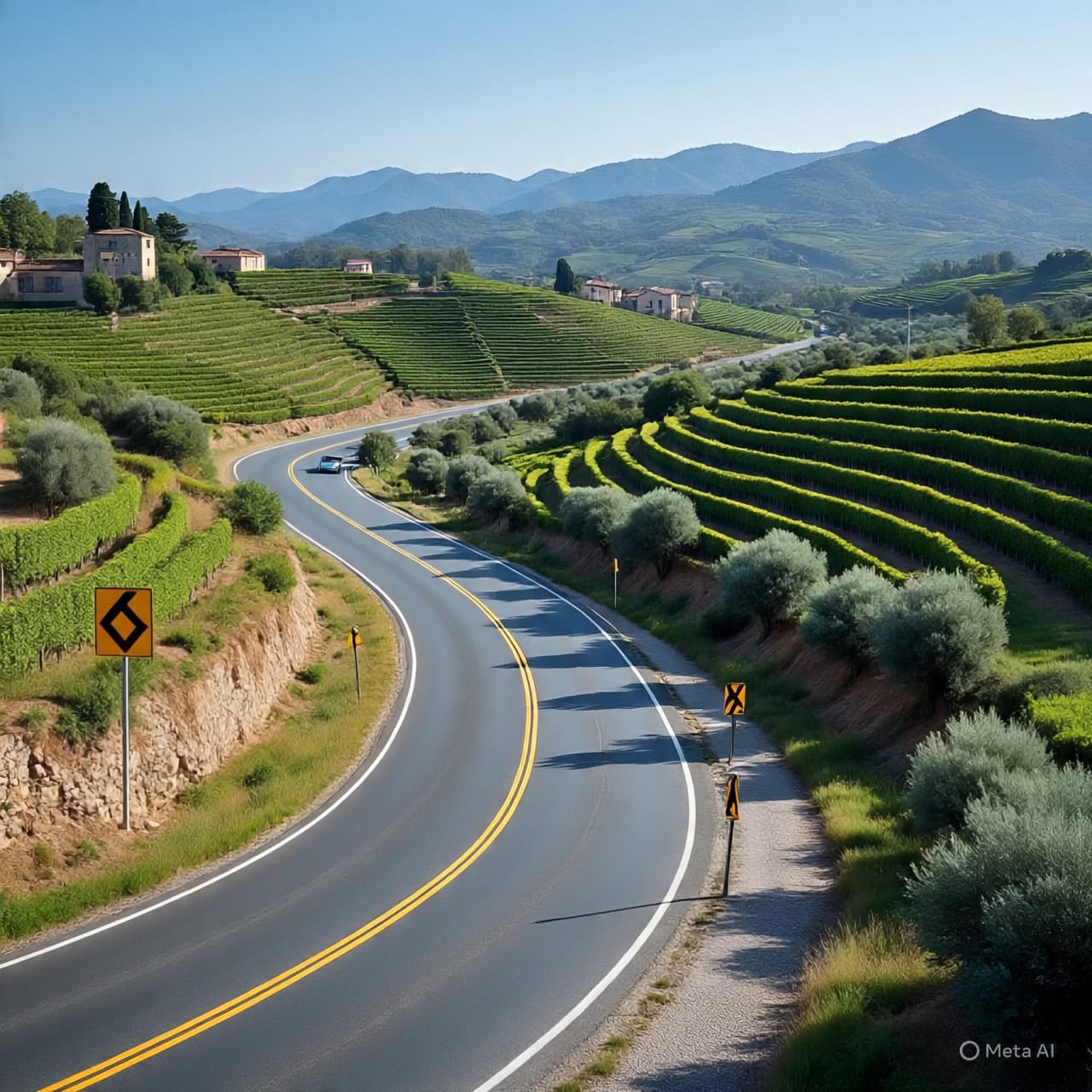
The assessment reveals that conventional, single-carriageway state roads are disproportionately associated with serious and fatal crashes. Among the identified high-risk areas, the N-260, known as the Eix Pirinenc, stands out. This road winds through scenic landscapes connecting towns such as Besalú, Ripoll, and La Molina. While these routes are essential for local and tourist traffic, their challenging topography, characterized by curves and elevation changes, contributes to a higher likelihood of accidents. The combination of beautiful vistas and treacherous driving conditions necessitates heightened vigilance from motorists.
[Methodology Behind the Assessment]
The methodologies employed in these assessments, developed by the RACC in collaboration with international safety programs, compare the number of serious and fatal accidents against average daily traffic. This risk index serves as a crucial tool for planners and policymakers, enabling them to identify priority areas for safety interventions. Despite evolving mobility patterns, sections classified as “high” and “very high” risk have seen a modest increase in recent years, underscoring the persistent dangers associated with conventional roads.
[Implications for Local Drivers]
For residents and frequent travelers in Girona, these findings resonate deeply. They serve as a reminder of the fragile boundary between everyday mobility and unforeseen dangers. Drivers are urged to adopt precautionary habits, such as adhering to speed limits, particularly in narrow or curved segments, and remaining alert during adverse weather conditions. The unpredictable nature of these roads can significantly impact visibility and traction, making caution paramount.
[Safety Measures and Community Responsibility]
In response to these findings, authorities and safety advocates are taking action to enhance road safety. Initiatives include improved signage, clearer road markings, and targeted infrastructure improvements in high-risk areas. These measures aim to reduce the frequency and severity of collisions, reflecting a commitment to harmonizing transportation needs with the imperative of protecting human life. The ongoing dialogue about road safety involves not just planners and authorities but also the communities that rely on these roads for daily travel.
[Conclusion]
As data continues to illuminate where risks cluster, it reinforces a shared responsibility among drivers, planners, and communities. Each journey should be approached with care, and efforts must persist to create safer environments for all road users in Girona and beyond.
Published by Banx Network. This article is part of the Banx decentralized media programme, powered by the BXE token on the XRP Ledger.




