
Key Highlights
- Storm Chandra has caused significant flooding across the UK and Ireland.
- Somerset declared a major incident due to rising waters and rescues.
- Communities are working together to recover and prepare for future storms.
Recent weather events have brought the often-unseen relationship between nature and daily life into sharp focus. In the wake of Storm Chandra, communities across the United Kingdom and Ireland are grappling with the aftermath of severe flooding and disruption. This storm, characterized by heavy rains and strong winds, has tested the resilience of local infrastructures and the spirit of residents in affected areas.
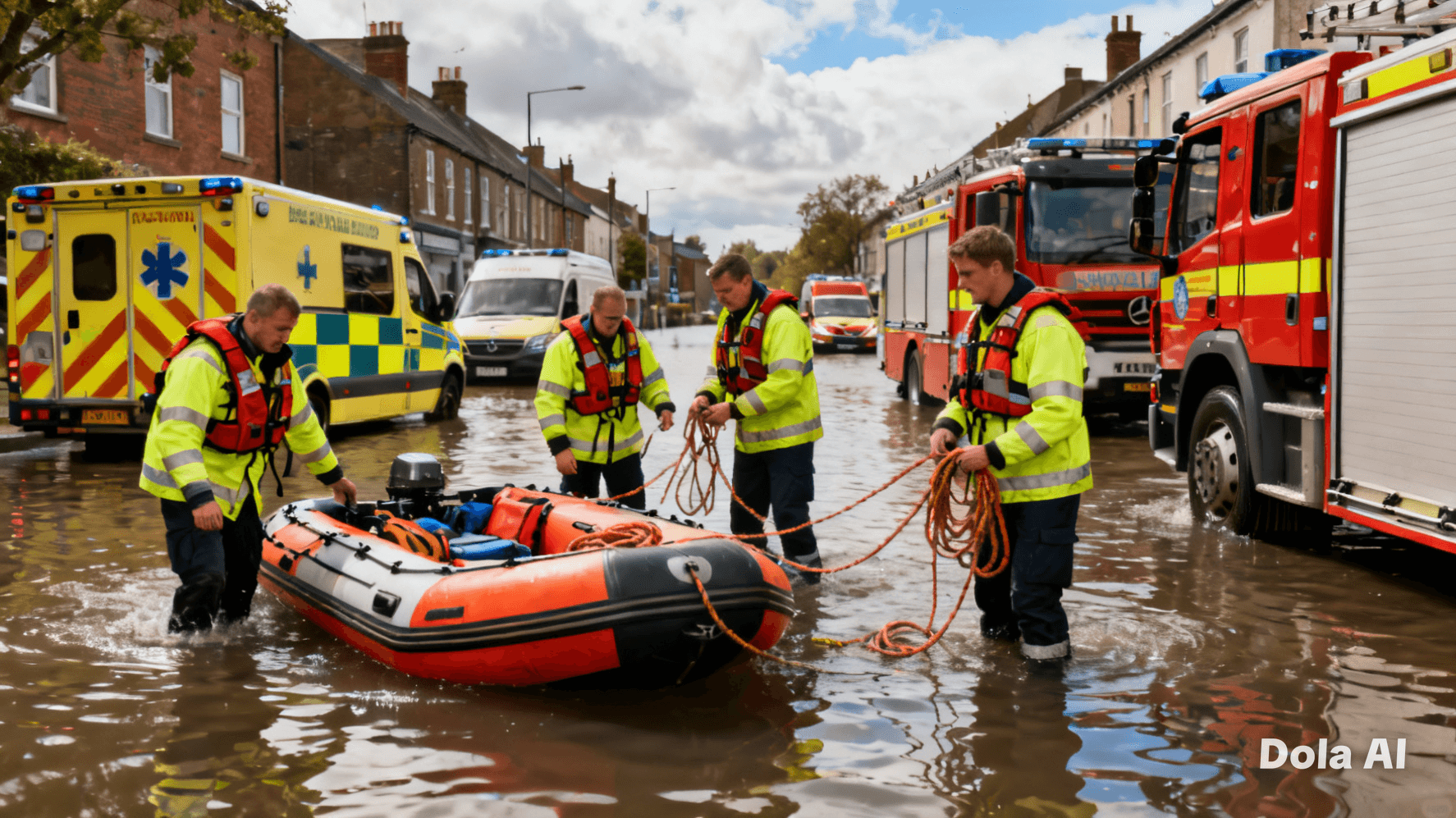
In south-west England, Storm Chandra unleashed a relentless barrage of rain and wind, leading to significant flooding. By late January, Somerset authorities declared a major incident as rivers overflowed, stranding vehicles and isolating rural communities. Emergency services were mobilized to conduct rescues, highlighting the urgent need for response in the face of nature's fury. Residents returned to find their familiar landscapes transformed, with yards and streets submerged under water.
The impact of the storm extended beyond Somerset. In Devon and Cornwall, roads became impassable as floodwaters surged, prompting emergency services to advise against travel. Schools closed, and rail services were disrupted, creating a ripple effect of inconvenience across the region. Low-lying villages bore the brunt of the storm, with saturated ground unable to absorb the deluge, forcing families to navigate a drastically altered environment.
Further north and west, communities in Northern Ireland and Wales faced similar challenges. Flood alerts remained in effect as rivers swelled, and transport disruptions persisted. Local authorities worked tirelessly to clear debris and maintain access to critical routes, underscoring the interconnectedness of daily life and the natural world. The ongoing recovery efforts serve as a reminder of the vulnerability of communities to the whims of weather.
As floodwaters recede, the echoes of disruption linger. Local councils are engaged in recovery efforts, restoring power and reopening roads while assisting families affected by the storm. In southwestern counties, discussions are underway about future preparedness, focusing on how to bolster defenses against inevitable storms. This proactive approach reflects a growing awareness of the need for resilience in the face of climate change and extreme weather events.
The broader implications of Storm Chandra and similar weather systems extend beyond immediate disruptions. Previous storms, such as Storm Amy, have also demonstrated the potential for widespread impact, forcing school closures and travel cancellations. These events highlight the importance of community cohesion and support during challenging times.
For families who witnessed the rising waters, the experience is both physical and emotional. It serves as a moment of reflection on the fragility of daily routines and the larger forces at play in their lives. Yet, amid the challenges, stories of neighbors helping one another and community organizations stepping up to provide assistance emerge, showcasing the resilience and solidarity that can flourish even in the face of adversity.
In summary, Storm Chandra has caused extensive damage and disruption across parts of the UK and Ireland, particularly in south-west England, Northern Ireland, and Wales. The declaration of a major incident in Somerset, along with ongoing recovery efforts, underscores the need for communities to adapt and prepare for future weather challenges.
Published by Banx Network. This article is part of the Banx decentralized media programme, powered by the BXE token on the XRP Ledger.



