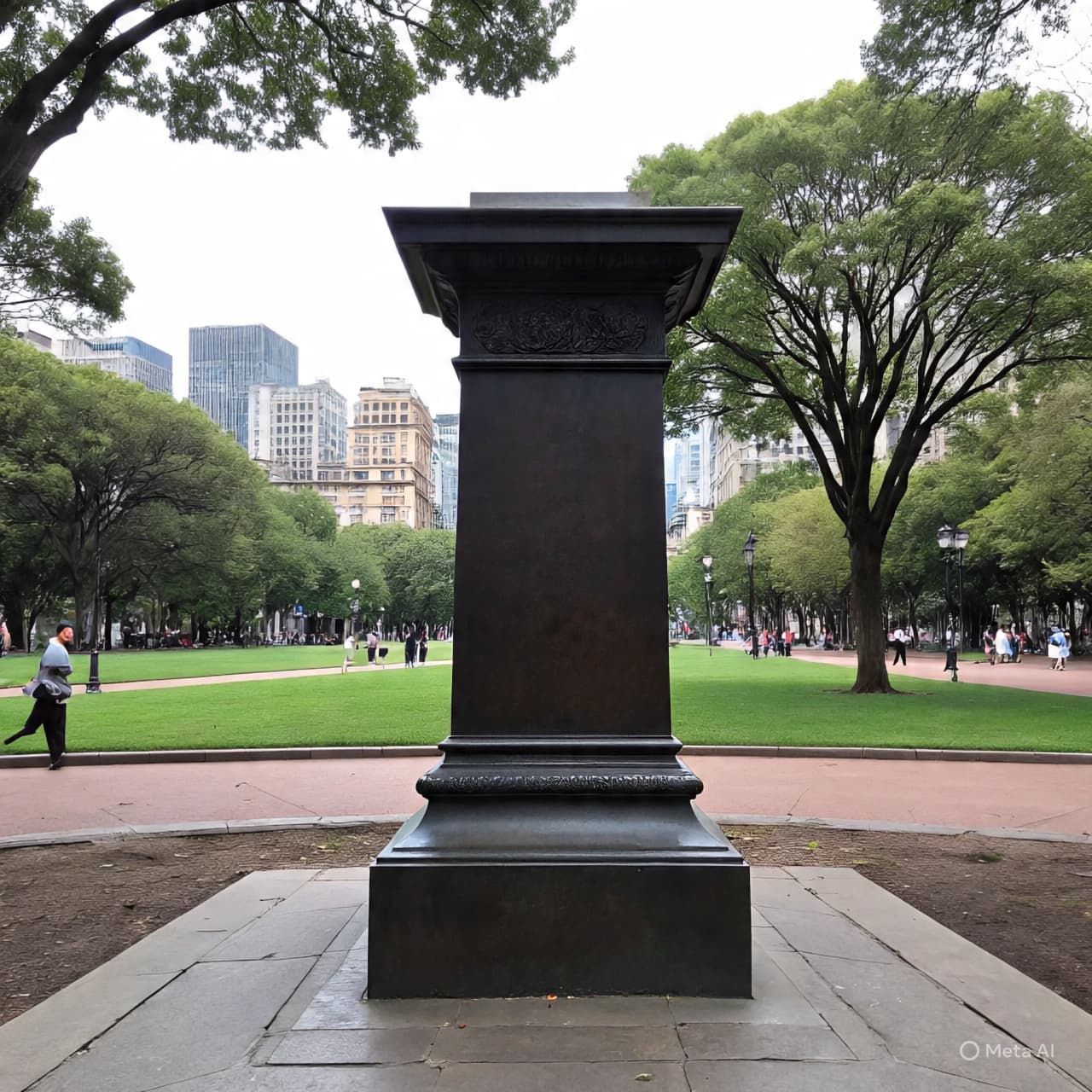
There are moments when the absence of an object speaks louder than its presence ever could. In a quiet corner of Melbourne, where bronze once stood as a reminder of peaceful resistance and moral resolve, an empty space has begun to carry weight. The disappearance of a statue of Mahatma Gandhi has stirred more than local concern; it has awakened reflections that travel far beyond the city where it once rested.
The statue, dedicated to the Indian independence leader and revered globally as a symbol of nonviolence, was reported stolen from its location in Melbourne. Australian authorities confirmed that an investigation is underway, treating the incident as theft while assessing possible motives. What was once a familiar landmark has become a point of uncertainty, prompting both local communities and international observers to pause and consider what its removal signifies.
From New Delhi, the response was measured yet firm. The Indian government publicly condemned the act and urged Australian authorities to identify and hold those responsible accountable. Indian officials emphasized that Gandhi’s legacy extends beyond national identity, representing universal values of peace, dignity, and dialogue. In their view, the theft was not merely a loss of property but an affront to shared ideals that transcend borders.
Australian leaders and police officials acknowledged the seriousness of the incident, reiterating their commitment to recovering the statue and pursuing those involved. Community representatives, including members of the Indian diaspora, expressed disappointment and concern, noting that public memorials often serve as bridges between cultures rather than symbols of division. For many, the statue was less about history frozen in bronze and more about values kept alive in public space.
This is not the first time Gandhi’s image has been targeted in Australia, a country that has previously grappled with acts of vandalism against similar memorials. Each incident has reignited discussions about cultural respect, historical memory, and the responsibility of safeguarding symbols that belong not just to one community, but to the broader public conscience.
As investigations continue, the empty pedestal in Melbourne remains a quiet witness. It asks no accusations, yet it invites reflection — on accountability, on coexistence, and on how societies choose to protect the stories they place in open air. Whether the statue is recovered or replaced, the space it once occupied has already fulfilled an unintended role: reminding observers that symbols matter, especially when they are taken away.
AI Image Disclaimer Illustrations were produced with AI and serve as conceptual depictions rather than real photographs.
Sources : The Guardian Sunday Guardian Live The Tribune India 9News Australia New Indian Express
Published by Banx Network. This article is part of the Banx decentralized media programme, powered by the BXE token on the XRP Ledger.