
Key Highlights
- Statue of Mahatma Gandhi stolen in Melbourne, prompting international concern.
- Indian government condemns the theft, urging accountability from Australia.
- The incident reignites discussions on cultural respect and historical memory.
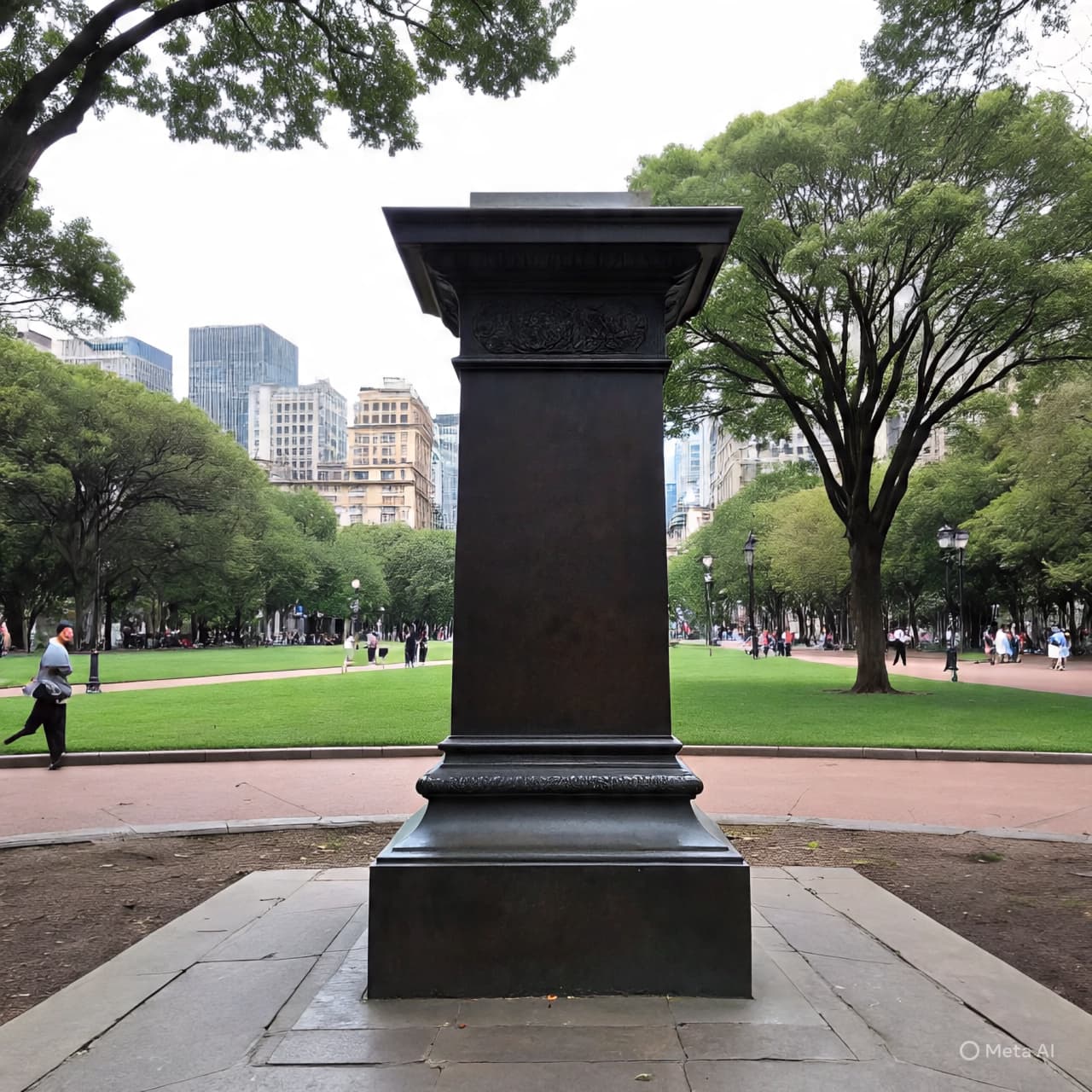
The recent theft of a statue of Mahatma Gandhi in Melbourne has sparked significant concern both locally and internationally. The statue, a symbol of nonviolence and moral leadership, was reported missing from its location, leaving behind an empty pedestal that now serves as a poignant reminder of the values it represented. Australian authorities have confirmed that an investigation is underway, treating the incident as a serious theft while exploring potential motives behind the act.
In response to the theft, the Indian government has expressed its dismay, calling for swift action from Australian authorities to identify and apprehend those responsible. Officials emphasized that Gandhi's legacy transcends national boundaries, embodying universal principles of peace, dignity, and dialogue. They view the incident not merely as a loss of property but as an affront to shared ideals that resonate across cultures.
Local Australian leaders and police have acknowledged the gravity of the situation, reiterating their commitment to recovering the statue and addressing the concerns of the community. Members of the Indian diaspora in Australia have voiced their disappointment, highlighting that public memorials often serve as vital connections between diverse cultures rather than symbols of division. For many, the statue represented more than just a historical figure; it was a living testament to values that should be preserved in public spaces.
This incident is not isolated; Australia has previously faced challenges with vandalism against memorials dedicated to Gandhi and other cultural icons. Each act of vandalism has reignited discussions about the importance of cultural respect, the preservation of historical memory, and the responsibility of societies to safeguard symbols that belong to the collective conscience of humanity.
As the investigation unfolds, the empty pedestal in Melbourne stands as a silent witness to the ongoing dialogue about accountability and coexistence. It invites reflection on how societies choose to protect and honor the stories they place in public view. Regardless of whether the statue is recovered or replaced, the absence of this symbol has already fulfilled an unintended role: it serves as a reminder that symbols hold significant meaning, especially when they are taken away.
The theft of Gandhi's statue not only raises questions about cultural respect but also highlights the broader implications of how societies engage with their historical narratives. As communities come together to address this loss, the hope remains that the values embodied by Gandhi will continue to inspire dialogue and understanding across borders.
Published by Banx Network. This article is part of the Banx decentralized media programme, powered by the BXE token on the XRP Ledger.



