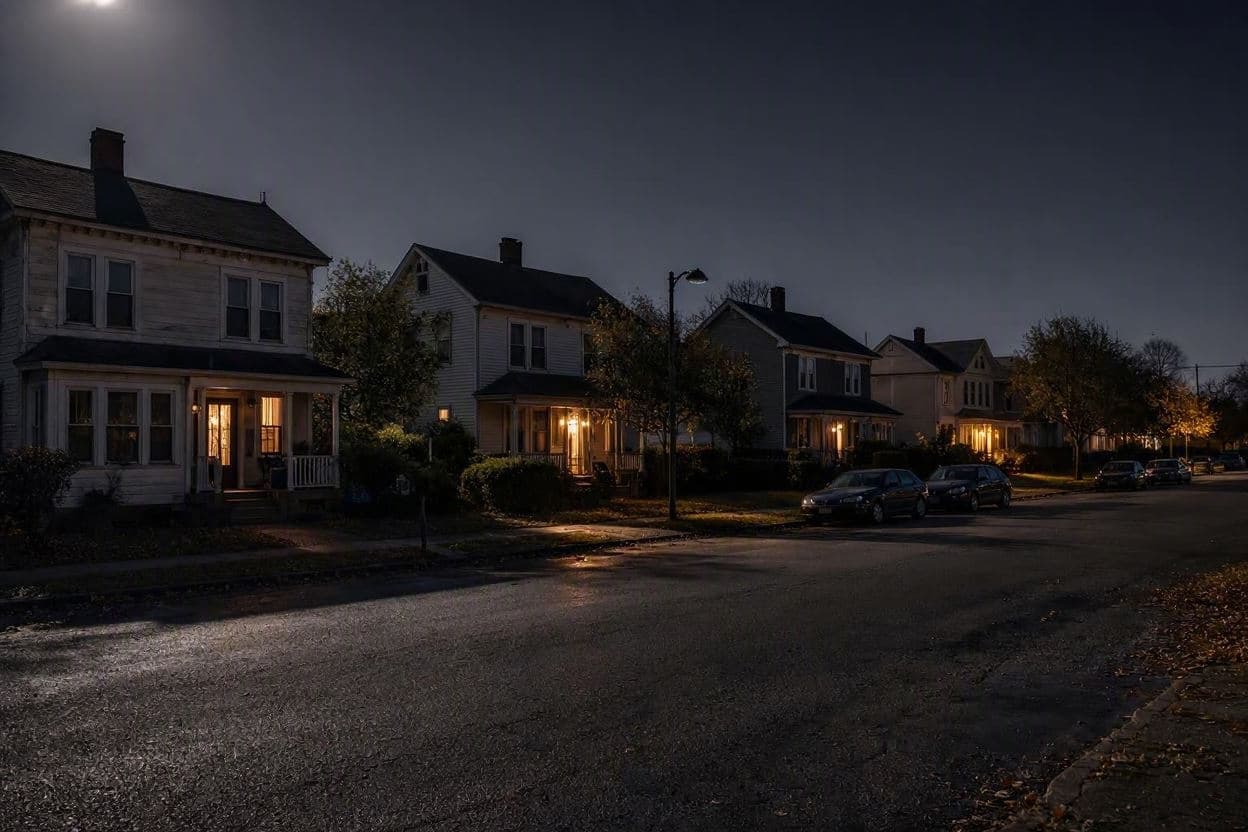
Electricity is the invisible thread that weaves through the fabric of modern life, powering everything from our refrigerators to our hospitals. We rarely notice its presence until it vanishes, leaving behind a silence that feels both profound and unsettling. In Gary, Indiana, a two-week blackout served as a stark reminder of this fragility. For residents, the extended loss of power was not merely an inconvenience but a disruption of daily existence, offering a sobering preview of the challenges that may face other American communities as infrastructure ages and climate pressures mount.
The outage in Gary was triggered by severe weather that damaged critical components of the local grid. While storms are a natural part of the region’s climate, the duration of the blackout highlighted vulnerabilities in the system’s resilience. For fourteen days, thousands of residents lived without reliable electricity, relying on generators, community centers, and the kindness of neighbors to meet basic needs. The experience underscored how dependent modern society is on a consistent flow of energy.
For many, the darkness brought logistical nightmares. Spoiled food, lack of heating or cooling, and the inability to charge communication devices created significant stress. Elderly residents and those with medical dependencies faced particularly acute risks, highlighting the equity issues inherent in infrastructure failures. The event revealed that when the lights go out, the burden falls heaviest on the most vulnerable members of the community.
Utility companies worked tirelessly to restore service, yet the scale of the damage required time and resources that were stretched thin. This delay sparked conversations about investment in grid modernization. Experts argue that aging infrastructure, much of which was built decades ago, is ill-equipped to handle the increasing frequency and intensity of extreme weather events linked to climate change.
The situation in Gary is not isolated. Across the United States, grids are facing similar stresses, from winter storms in Texas to wildfires in California. Each incident serves as a data point in a larger trend, suggesting that the current model of energy distribution may need significant rethinking. Resilience is no longer just about repair speed but about robust design that can withstand and adapt to changing conditions.
Community response during the blackout was a testament to local solidarity. Neighbors checked on one another, shared resources, and offered shelter. This social cohesion acted as a buffer against the hardship, demonstrating that while technology may fail, human connection remains a vital source of strength. However, reliance on informal networks is not a sustainable long-term strategy for public safety.
Policymakers are now looking at Gary’s experience as a case study. There is a growing consensus that federal and state investments must prioritize grid hardening, renewable integration, and decentralized energy solutions. Microgrids and battery storage are increasingly seen as essential tools for ensuring continuity of service during widespread outages. The goal is to create a system that is not only efficient but also durable.
As restoration efforts concluded in Gary, the relief was palpable, but so was the caution. The event has left a lasting impression on residents and officials alike, serving as a catalyst for change. It is a reminder that energy security is a fundamental component of public welfare, requiring constant attention and proactive planning.
The two-week blackout in Gary, Indiana, highlights the vulnerability of America’s aging electrical infrastructure. As extreme weather becomes more common, the event serves as a warning for other communities to prioritize grid resilience and modernization. The focus now shifts to implementing solutions that ensure reliable power for all.
AI Image Disclaimer: The visual representations accompanying this article are AI-generated interpretations designed to symbolize energy resilience and community support, using abstract imagery of city lights and neighborhood connections.
Sources: Chicago Tribune Associated Press Energy Policy Journals
Published by Banx Network. This article is part of the Banx decentralized media programme, powered by the BXE token on the XRP Ledger.