In the cracked soil of Khyber Pakhtunkhwa and the rugged hills of Balochistan, the echoes of conflict have, for many families, become part of daily life. Yet 2025 marked a stark departure from years past — a year where the drumbeat of violence intensified to its loudest cadence in over a decade, leaving behind a tally of lives that reads like a story of loss and endurance.
According to a new report by the Pakistan Institute for Conflict and Security Studies, the nation experienced a 74% surge in combat‑related deaths last year compared with 2024, making 2025 the deadliest year in memory. Across the country, an estimated 3,413 people lost their lives to violence, a sharp increase from the roughly 1,950 recorded the previous year.
The contours of this surge are complex. Militants — notably the Tehrik‑e‑Taliban Pakistan (TTP), which operates independently of Afghanistan’s ruling Taliban — were implicated in much of the uptick in violence. While the report notes that more than half of the fatalities were militant deaths during security operations, the toll on security personnel and civilians was also significant, with hundreds of soldiers and dozens of ordinary citizens among those killed.
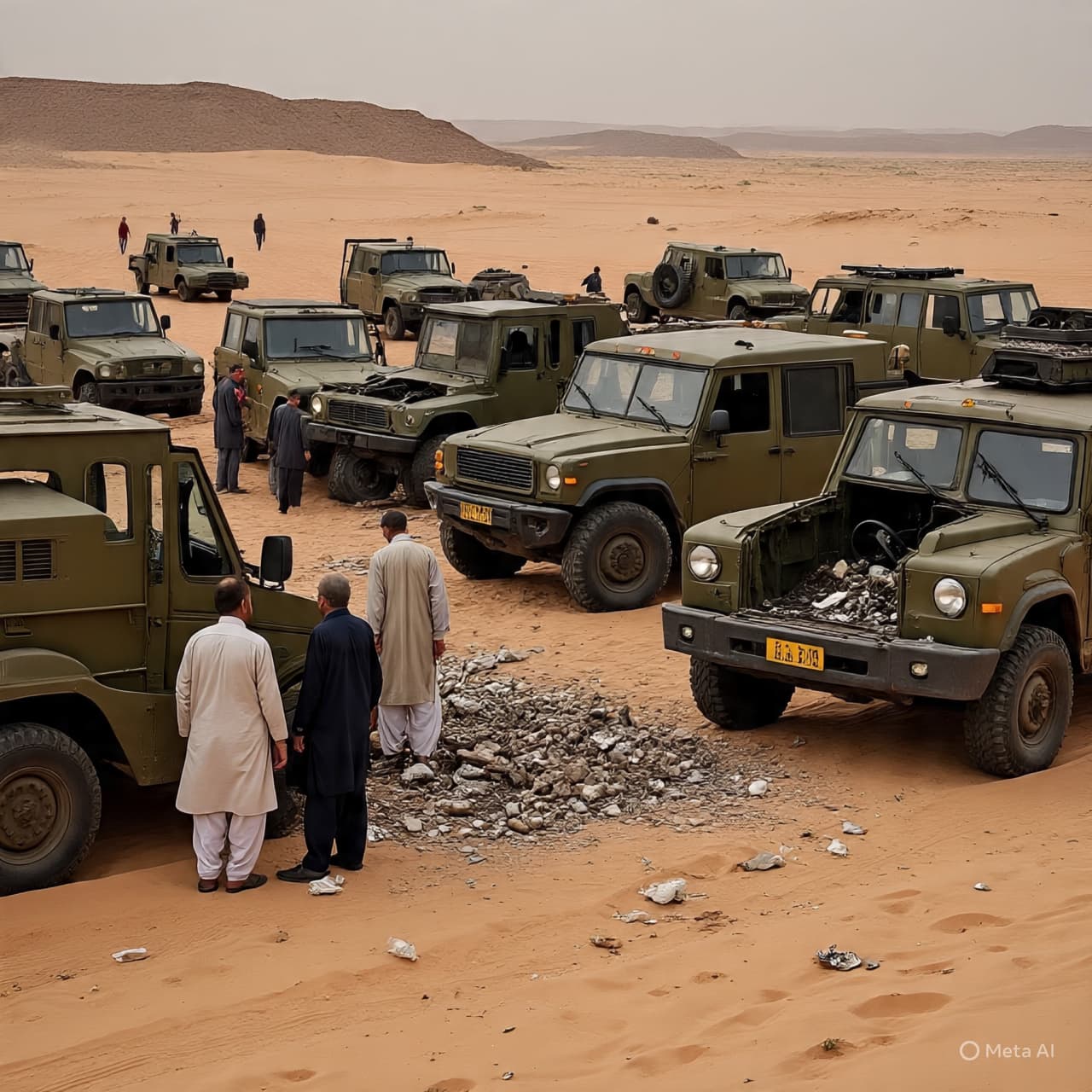
This surge in fatalities unfolded against a backdrop of heightened militant activity and intensified counterterrorism operations. Analysts point to an increase in suicide bombings and the availability of advanced weaponry — some remnants of U.S. military equipment left behind after the American withdrawal from Afghanistan — as factors amplifying the lethality of attacks.
For Pakistan’s security forces, the year was one of both action and attrition. Tens of thousands of intelligence‑based operations were reported, and hundreds of militants were apprehended in efforts to stem the violence. Yet the human cost was tangible: families across multiple provinces mourned sons, daughters, brothers and neighbours, their communities marked by both grief and the hard work of survival.
Border tensions with neighbouring Afghanistan have further complicated the landscape, with clashes and mutual accusations adding strain to already fragile ties. While diplomatic efforts continue, the closure of key crossings and the disruption of trade underscore the deep interconnection between security and daily life for ordinary Pakistanis.
In places where conflict has receded only slightly, the shadows linger — in emptied homes, in the quiet seats of once‑bustling markets, and in the cautious steps of parents sending their children to school. The statistics of this past year speak not just to the scale of loss, but to the resilience of those who continue to live amid uncertainty.
AI Image Disclaimer “Visuals are created with AI tools and are not real photographs.”
Sources Associated Press / Stamford Advocate Indian Express Dhaka Tribune AP via Los Angeles Times The Business Standard
Published by Banx Network. This article is part of the Banx decentralized media programme, powered by the BXE token on the XRP Ledger.