In the quiet rhythm of geography, borders are not just lines on a map — they are corridors where culture, commerce and conversation meet. Sometimes they hum with shared rhythms, and sometimes they echo with tensions. Along the undulating Andes and into the lush valleys that thread between Ecuador and Colombia, a new note has been struck in the decades-old dance of trade and diplomacy.
For months, officials in Quito have spoken of a growing disquiet, one born from concerns over the flow of goods but also over matters that touch on national security and shared responsibility. What began earlier this year as a 30 percent “security tax” on imports from Colombia has now deepened into a more pronounced measure, a tariff hike that will see certain Colombian imports face duties of 50 percent beginning March 1. This change, announced by Ecuador’s Ministry of Production, Foreign Trade and Investments, is being framed as part of a broader effort to encourage cooperation over border security — a theme that has hovered over relations between the neighbors.
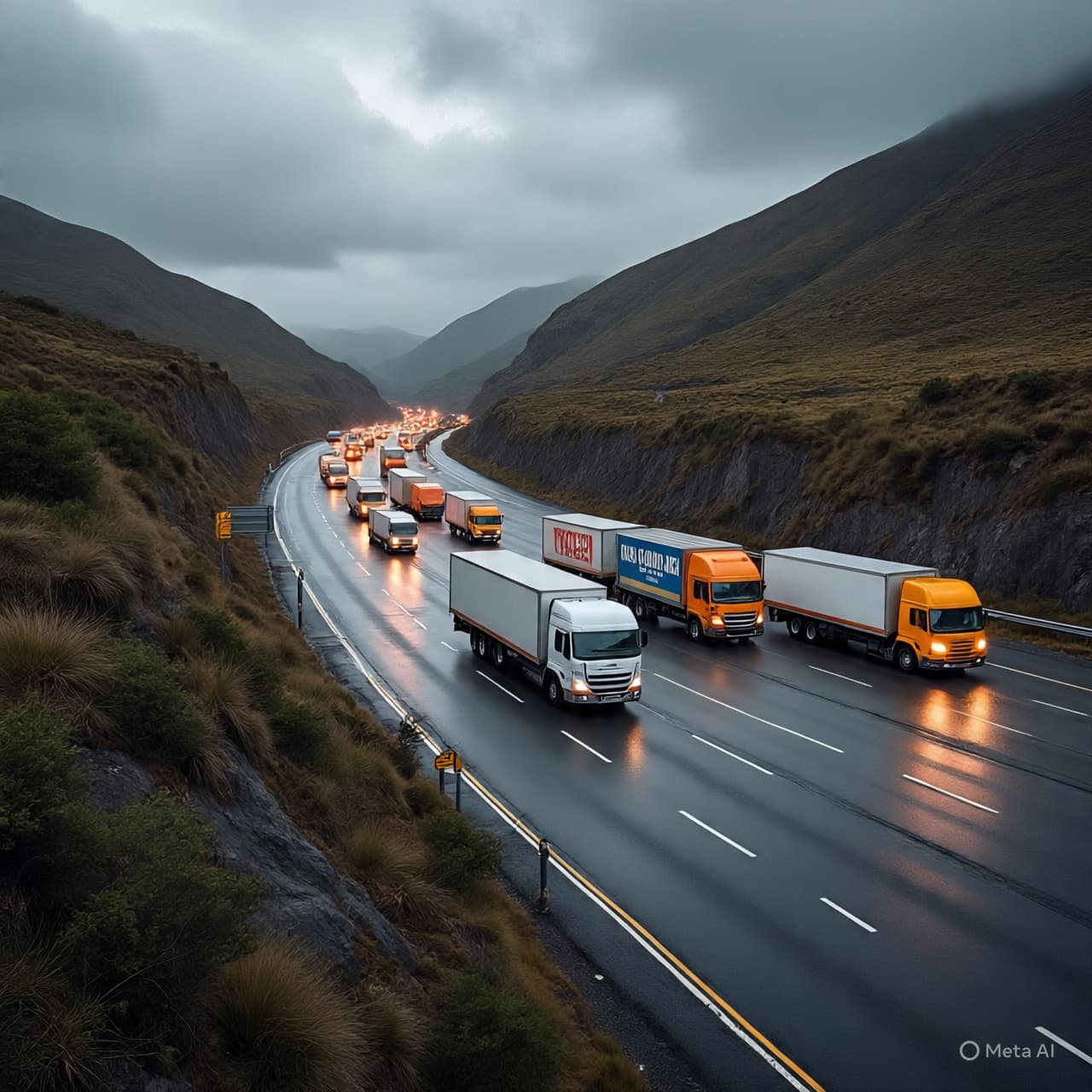
The measure is not just about numbers in a ledger. For traders and families who rely on the fluid exchange of produce, manufactured goods and everyday essentials across the nearly 2,200-kilometer frontier, the impending rise in tariffs carries practical weight. Merchants who once counted on predictable flows of tomatoes, textiles and machinery now brace for higher costs, altered routes and uncertainty that drifts beyond account books into daily life. Echoing through markets and transport hubs, the word “50 percent” has a gravity that reaches far beyond its mathematical value.
Behind the announcement, Quito has cited what it sees as an uneven burden: a national trade deficit with Colombia that has grown in recent years and persistent challenges in stemming the flow of narcotics and illicit traffic along their shared border. Officials in Ecuador describe the tariff increase as part of a sovereign choice to strengthen border security and to call for more concrete cooperation from Bogotá.
In Bogota, responses have mixed caution with resolve. Colombian leaders and trade officials have underscored their own efforts to address security concerns, pointing to joint operations and shared commitments. At the same time, some Colombian ministers have signaled intentions to consider reciprocal measures on Ecuadorean goods — a response that could ripple through bilateral commercial ties if adopted.
Economists caution that such tariff escalations rarely remain confined to official statements and fiscal tallies. They tend to shape the decisions of producers, transporters and consumers, nudging supply chains to adapt, reroute or in some cases, pause. Beyond economics, there is also a diplomatic dimension: neighbors who share ecosystems, culture and history now navigate a moment where trade policy doubles as a signal of broader political posture.
As the 1st of March approaches, Ecuador’s adjustment will take effect amid ongoing dialogue between the two governments. Both sides have indicated that conversations continue in diplomatic channels, even as tariffs climb. What remains evident is that the border between these Andean nations is more than a frontier of goods — it is a meeting place of expectations, concerns and, for now, challenging negotiations.
In the coming days, businesses and officials on both sides will watch closely how markets respond, how dialogue unfolds, and how the terrain of economic relationship will be reshaped by decisions made in capitals but felt on the ground in border towns and warehouses alike. Today’s tariff increase does not close the door on cooperation. Instead, it reframes an ongoing conversation at the intersection of commerce, security and shared geography.
AI Image Disclaimer
Graphics are AI-generated and intended for representation, not reality.
Sources
Al Jazeera
Reuters
RegTech Times
Reuters (Colombian tariff plan)
Straits Times
Published by Banx Network. This article is part of the Banx decentralized media programme, powered by the BXE token on the XRP Ledger.