In the ever-evolving landscape of nutritional science, where new studies often seem to contradict old wisdom, a recent finding offers a gentle but important clarification. Research suggests that the overall quality of one’s diet may hold more weight for long-term health than the mere classification of foods as "processed" or "ultra-processed." This nuance invites us to look beyond labels and consider the broader context of what we eat. It is a reminder that nutrition is not just about avoiding certain categories, but about embracing a pattern of eating that nourishes the body and supports well-being.
The study encourages a shift in focus from rigid rules to holistic habits. It invites reflection on how we can make better choices without becoming overwhelmed by the complexities of food processing.
Body: The research, published in reputable scientific journals, analyzed data from large cohorts to assess the relationship between diet quality and health outcomes. While previous studies have linked ultra-processed foods (UPFs) to adverse health effects such as obesity and cardiovascular disease, this new analysis suggests that these risks may be largely driven by the poor nutritional profile of many UPFs—such as high levels of sugar, salt, and unhealthy fats—rather than the processing itself.
When researchers adjusted for diet quality, the association between UPF consumption and some health risks weakened significantly. This indicates that a diet rich in fruits, vegetables, whole grains, and lean proteins can mitigate some of the negative impacts of processed foods. For example, a whole-grain bread, though technically processed, offers different health benefits compared to a sugary snack cake, even if both fall under the same processing category.
This distinction is crucial for public health messaging. Instead of demonizing all processed foods, which can include convenient and nutritious options like canned beans or frozen vegetables, experts emphasize the importance of reading labels and understanding ingredients. The goal is to choose foods that provide essential nutrients while minimizing empty calories and additives.
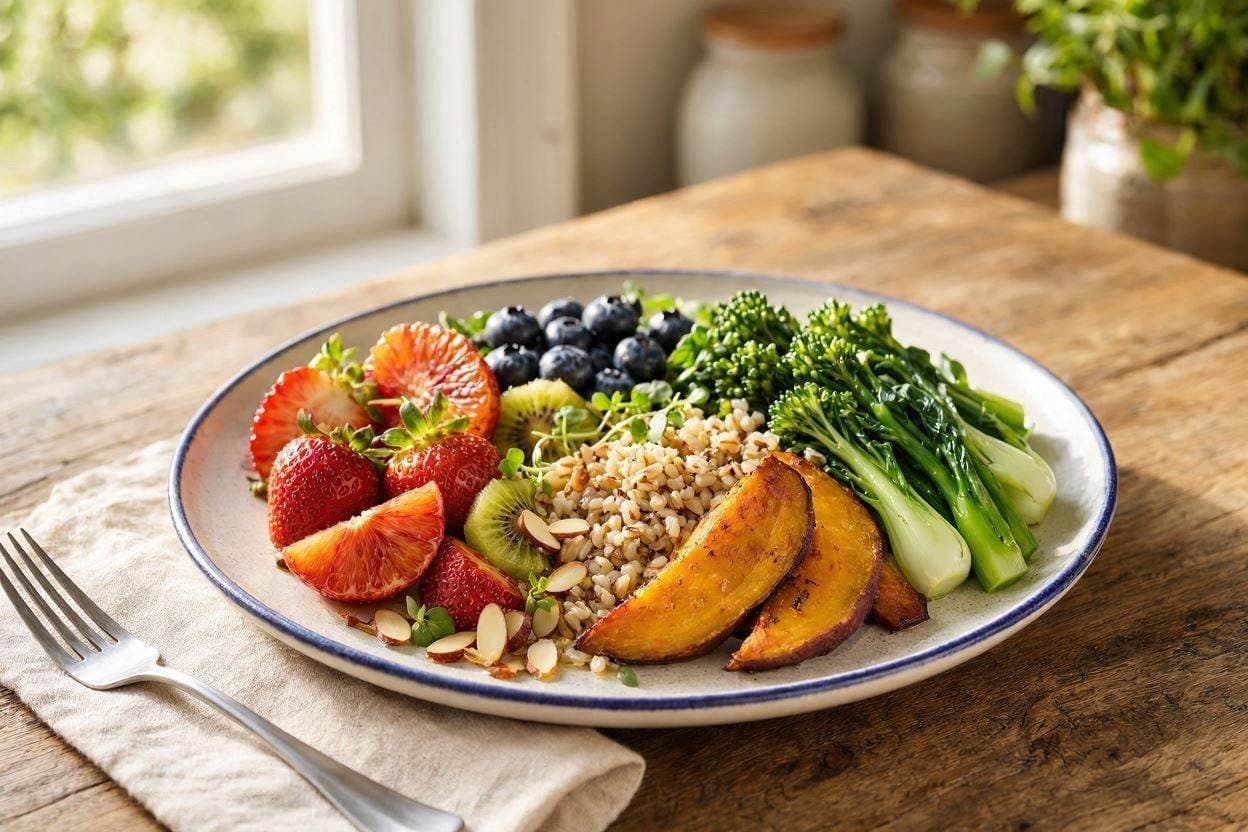
For consumers, this approach simplifies decision-making. Rather than memorizing complex lists of prohibited items, individuals can focus on building balanced meals. A plate filled with colorful produce, healthy fats, and adequate protein provides a strong foundation, regardless of whether some components are minimally or moderately processed.
The food industry also plays a role in this narrative. Many manufacturers are reformulating products to improve their nutritional value, reducing sodium and added sugars while increasing fiber content. These efforts align with the study’s findings, suggesting that processing can be compatible with health when done with care and intention.
Critics argue that the definition of "processing" remains broad and sometimes confusing. However, the emerging consensus is that context matters. A smoothie made from fresh fruit is processed, yet it retains much of its nutritional value. Conversely, a highly refined cereal may lack fiber and vitamins despite being marketed as a health food.
Education is key to navigating this landscape. Nutritionists recommend teaching people how to evaluate food based on its nutrient density rather than just its production method. This empowers individuals to make informed choices that suit their lifestyles and preferences.
Ultimately, the study reinforces the idea that no single food defines a diet. It is the cumulative effect of daily choices that shapes health outcomes. By focusing on quality, we can enjoy a variety of foods without fear or guilt.
Closing: The suggestion that diet quality outweighs the level of food processing offers a more nuanced view of nutrition. It invites consumers to prioritize balanced, nutrient-rich eating patterns over strict avoidance of processed items.
AI Image Disclaimer: The visuals accompanying this article are AI-generated illustrations designed to reflect the themes of balanced nutrition and healthy eating habits.
Sources: BMJ Nature Medicine Harvard T.H. Chan School of Public Health ScienceDaily
Published by Banx Network. This article is part of the Banx decentralized media programme, powered by the BXE token on the XRP Ledger.