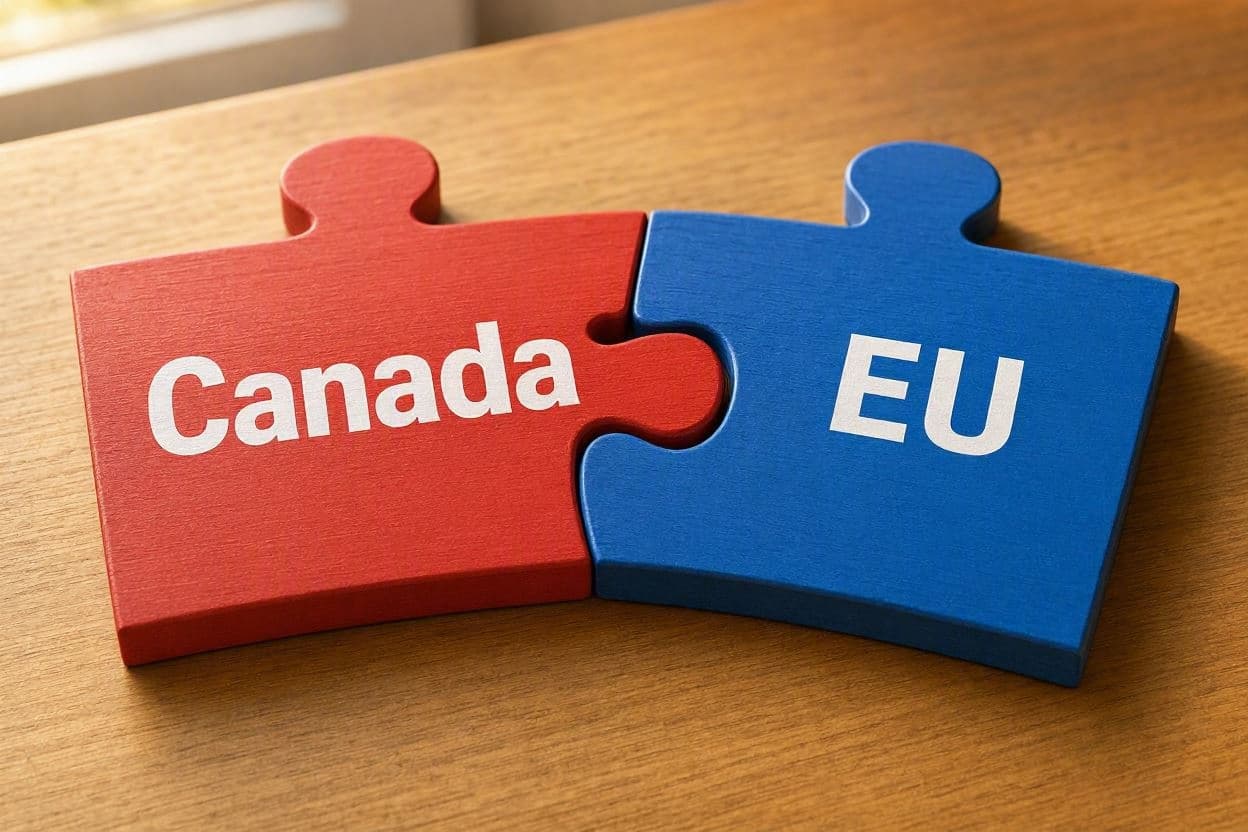
In the intricate dance of international relations, labels often carry more weight than substance, yet it is the underlying political reality that truly shapes outcomes. As Prime Minister Mark Carney explores deeper ties with Europe, the debate over "associate membership" serves as a lens through which we can examine the evolving nature of sovereignty, cooperation, and strategic alignment in a changing world.
The concept of associate membership with the European Union has sparked considerable discussion among policymakers and analysts. While the term itself may seem technical, its implications are profound. For Canada, this arrangement offers a pathway to closer economic integration and political dialogue without the full obligations of statehood. It is a pragmatic approach that recognizes the benefits of proximity while respecting the boundaries of national independence.
Prime Minister Carney’s support for this model reflects a broader strategic vision. In an era of global uncertainty, strengthening ties with like-minded democracies is seen as essential for economic stability and security. The EU, as a major trading partner and political bloc, represents a natural ally for Canada. By deepening this relationship, Ottawa aims to diversify its international connections and reduce reliance on any single market.
Critics argue that the term "associate membership" might be misleading, suggesting a level of integration that does not exist. However, proponents counter that the name is less important than the practical benefits it delivers. Access to certain programs, enhanced regulatory cooperation, and greater influence in European affairs are tangible gains that can boost Canada’s global standing. The focus, therefore, should be on the substance of the agreement rather than the semantics.
The political dynamics surrounding this issue are complex. Within Canada, there are varying views on how closely the country should align with European institutions. Some fear a loss of sovereignty, while others see it as an opportunity to amplify Canadian values on the world stage. Navigating these perspectives requires careful communication and a clear articulation of the national interest.
Internationally, the EU is also undergoing its own transformations. Enlargement debates and internal reforms mean that the bloc is looking for flexible ways to engage with non-member states. Canada’s proactive approach positions it as a model for this kind of partnership, potentially paving the way for other nations to seek similar arrangements. This leadership role enhances Canada’s diplomatic capital.
Ultimately, the success of this initiative will depend on execution. Ensuring that the benefits of associate membership are felt by businesses, workers, and communities across Canada is crucial. It requires ongoing effort to align policies, remove barriers, and foster mutual understanding. The political will to sustain this momentum will be tested in the years to come.
As negotiations continue, the focus remains on building a partnership that is both meaningful and mutually beneficial. The name may be open to debate, but the political imperative for stronger Canada-EU ties is clear, offering a path toward greater prosperity and influence.
AI Image Disclaimer: The images associated with this article are AI-generated visualizations created to illustrate the themes of diplomatic strategy and international cooperation.
Sources: The Globe and Mail, Financial Post, Politico Europe, CBC News
Published by Banx Network. This article is part of the Banx decentralized media programme, powered by the BXE token on the XRP Ledger.