
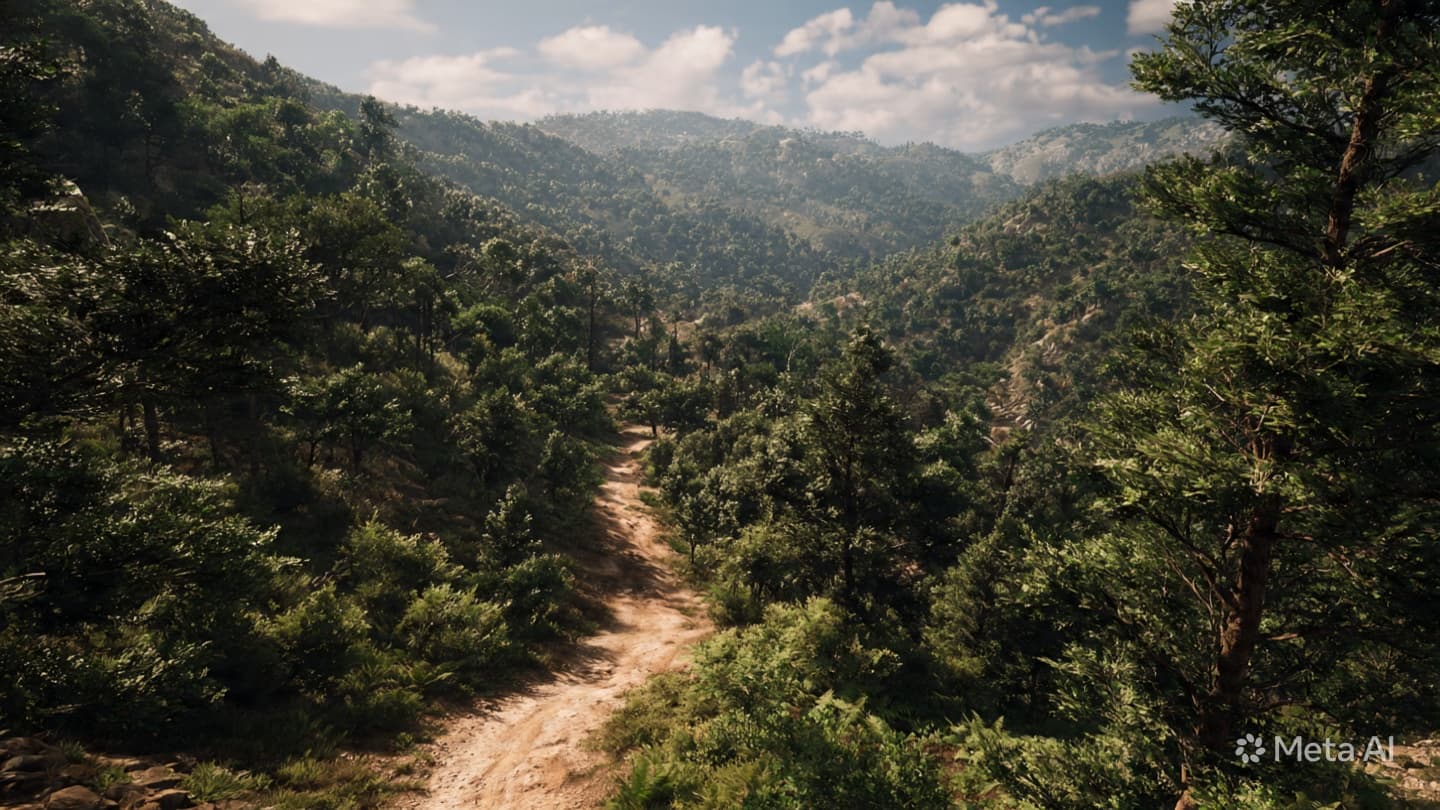
The geography of Jungle Salimpur has long presented a challenge to the established order, its sprawling, rugged hills offering a natural sanctuary for those seeking to exist beyond the immediate reach of administrative oversight. It is a landscape defined by its density and its isolation, where the thick foliage often conceals the complex web of activity occurring within. Recently, the environment was transformed as a deliberate, organized effort by joint forces moved through these hills, seeking to reassert the presence of the state in a space that had become synonymous with territorial contestation.
The operation, which focused on the apprehension of individuals involved in various illicit activities, was characterized by a meticulous, methodical pace. Moving through the winding tracks and hidden clearings, the forces acted upon intelligence that had been gathered over a period of relative volatility. The resulting detentions of twenty to twenty-five individuals represent a significant attempt to recalibrate the balance of power within the area, signaling a shift in how the government intends to approach the governance of this difficult terrain.
In the quiet hours following the sweep, the forest seemed to hold its breath. The sudden absence of those who had previously dominated the local landscape created a palpable change in the atmosphere. For the residents who live in the periphery, the presence of the joint forces is a double-edged reality—a sign of potential stabilization, yet also a reminder of the fragility of the peace that has been negotiated here. The operation was not merely about the numbers detained; it was about the assertion of a presence that had been conspicuously missing.
The Salimpur region has historically been a focal point for land disputes and criminal influence, a place where the lack of formal infrastructure allowed shadow networks to flourish. The current drive is an acknowledgment of the necessity to dismantle these structures. It is an arduous task, one that involves navigating not just the physical hurdles of the landscape, but the deep-seated interests that have been embedded in the soil for years. Every individual taken into custody is a thread pulled from a larger, tangled tapestry.
As the authorities continue their work, the focus shifts to the long-term viability of these interventions. A single drive, no matter how successful, is often only the beginning of a broader campaign of normalization. The real challenge lies in the aftermath: ensuring that the space reclaimed is not merely vacated, but filled with the presence of legitimate governance. It is a transition from the volatility of the forest’s hidden alleys to the transparency of public oversight.
There is a reflective tone among the officials now tasked with maintaining this order. They recognize that the jungle is a place of infinite complexity, where those who are removed today may be replaced by others tomorrow if the underlying conditions are not addressed. Thus, the operation is framed not as a conclusion, but as a turning point—a moment where the state has chosen to declare that no part of the territory is beyond its mandate.
The community, too, watches with a mix of anticipation and caution. They have seen cycles of tension and temporary relief before, and they understand that the true test of this drive will be found in the coming months. Will the hills remain a site of contestation, or will they finally become a part of the unified administrative landscape that the government envisions? The answer remains caught in the interplay between the law’s reach and the forest’s resilience.
As evening settles over the hills, the presence of security units remains a constant, steady influence. The path toward a fully integrated Salimpur is one that requires both persistence and patience. By securing these individuals, the state has taken a necessary, initial step. Yet, the work of transformation is far from over, and the hills, with their enduring silence, await the next chapter in this unfolding, complex narrative of regional governance.
Joint forces successfully conducted a targeted operation in the Jungle Salimpur area, resulting in the detention of approximately 20 to 25 individuals suspected of involvement in organized criminal activities. The drive, which utilized intelligence-led strategies to navigate the challenging hilly terrain, aims to neutralize factions that have long disrupted regional stability. Authorities confirmed that the arrested individuals are being processed for their roles in various illegal operations, and security patrols in the area have been increased to prevent further unauthorized activity.
Published by Banx Network. This article is part of the Banx decentralized media programme, powered by the BXE token on the XRP Ledger.


