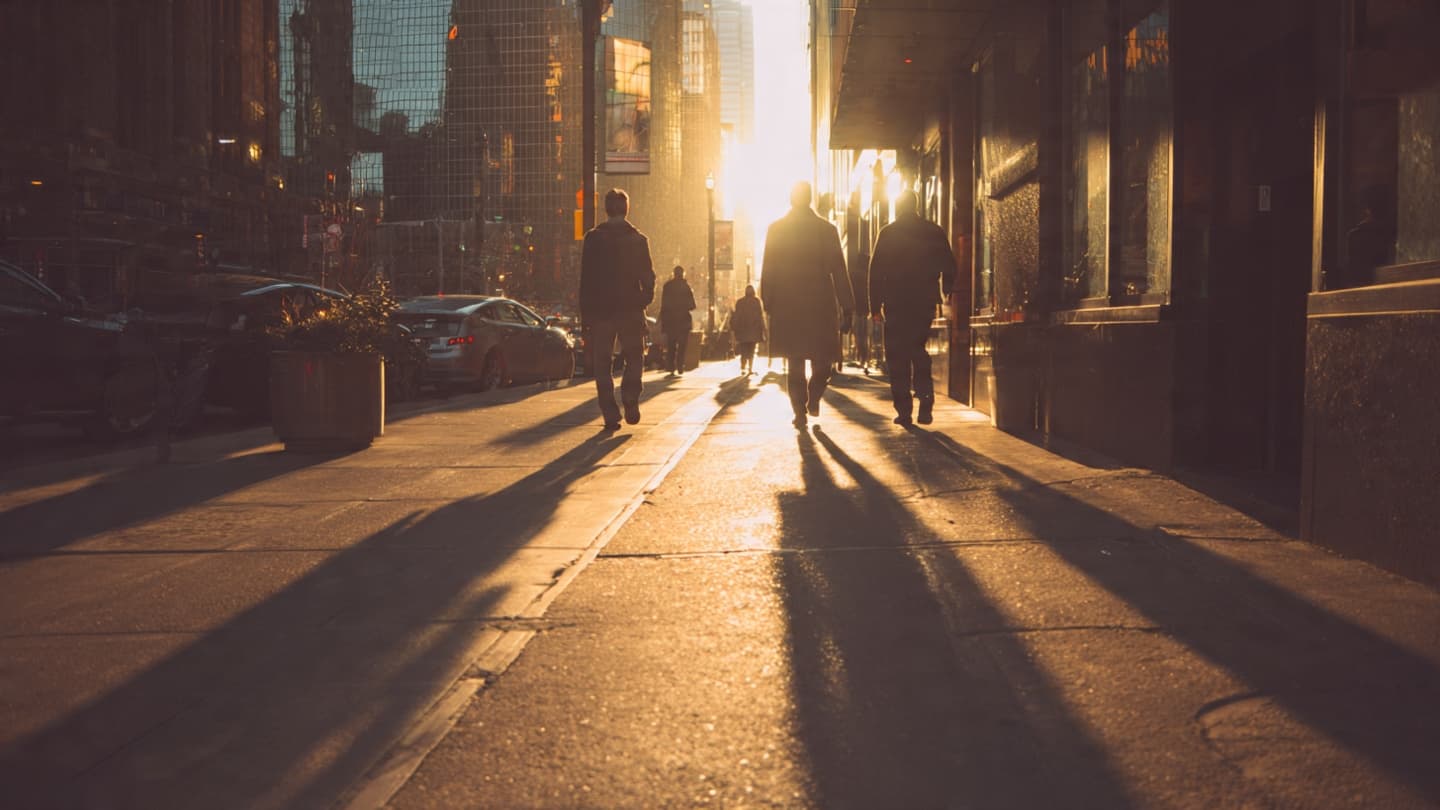
There are moments when a nation seems to pause not because of a storm or a celebration, but because of something as ordinary as the movement of a clock. Each spring and autumn, millions wake to discover that an hour has quietly disappeared or returned, as though time itself had decided to rearrange the rhythm of everyday life. The streets look the same, trains continue to arrive, and coffee still steams in morning cups, yet the light outside tells a slightly different story.
In Washington, that familiar ritual has once again become the subject of debate. A proposal that would make daylight saving time permanent has returned to public discussion, carrying with it years of arguments about health, commerce, transportation, and daily routines. While the idea has attracted support from lawmakers across party lines, its path through Congress remains uncertain.
One U.S. senator recently acknowledged that legislation seeking to end the twice-yearly clock changes faces a difficult political journey. Although many Americans express frustration with adjusting their clocks every March and November, lawmakers remain divided over whether permanent daylight saving time—or permanent standard time—would better serve the country.
The discussion reaches far beyond convenience. Medical researchers have long examined how abrupt time changes affect sleep, heart health, workplace productivity, and traffic safety. Some studies suggest that eliminating seasonal clock changes could reduce disruptions to human biological rhythms, while others argue that darker winter mornings under permanent daylight saving time could create new concerns, especially for schoolchildren and commuters.
Businesses also view the issue through different lenses. Retailers, tourism operators, and outdoor recreation industries often favor longer evening daylight, believing it encourages shopping and leisure activities. Agricultural communities, however, have historically raised practical concerns about schedules tied to natural daylight rather than clock time, reminding policymakers that the nation's economic landscape is far from uniform.
The debate has surfaced repeatedly over the decades, reflecting how something as simple as an hour can reveal deeper questions about modern life. Advances in technology, flexible work schedules, and changing lifestyles have altered how Americans experience the day, yet the balance between sunrise and sunset continues to influence education, transportation, public safety, and energy consumption.
Supporters of reform argue that maintaining one consistent schedule throughout the year would simplify daily routines and reduce confusion. Opponents caution that choosing the wrong permanent system could create unintended consequences during the darker months, particularly in northern states where winter mornings already arrive late.
For now, the proposal remains under legislative consideration, with supporters acknowledging that significant debate still lies ahead before any nationwide change could occur. Previous efforts have demonstrated that broad public interest does not always translate into swift congressional agreement.
As another season approaches, millions of Americans may once again adjust the hands of their clocks, continuing a tradition that has lasted for generations. Whether that ritual eventually becomes part of history will depend not only on votes cast in Congress but also on how the nation chooses to measure the relationship between sunlight, daily life, and the quiet passage of time.
AI Image Disclaimer Illustrations were created using AI tools and are intended as conceptual visual representations.
Sources Reuters U.S. Senate National Institutes of Health (NIH) American Academy of Sleep Medicine Associated Press
Published by Banx Network. This article is part of the Banx decentralized media programme, powered by the BXE token on the XRP Ledger.