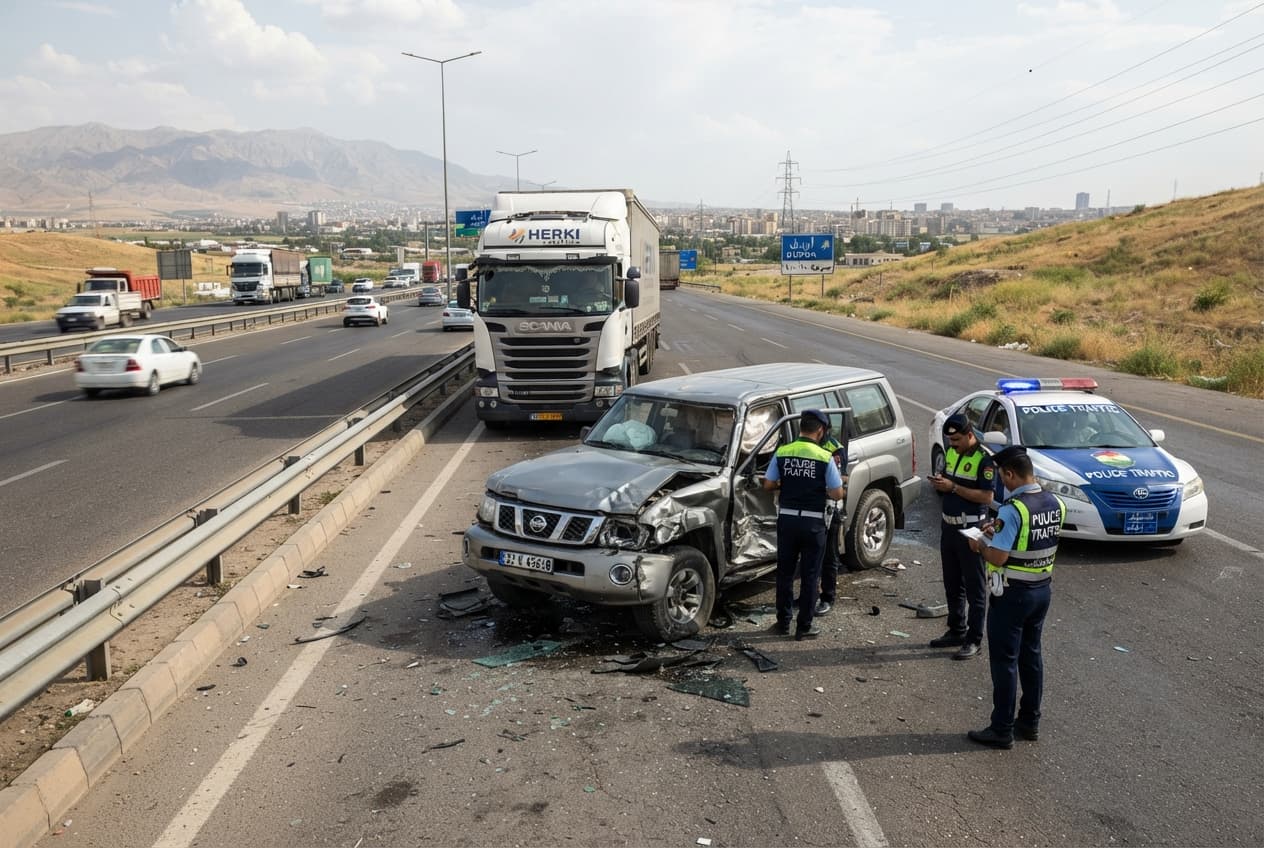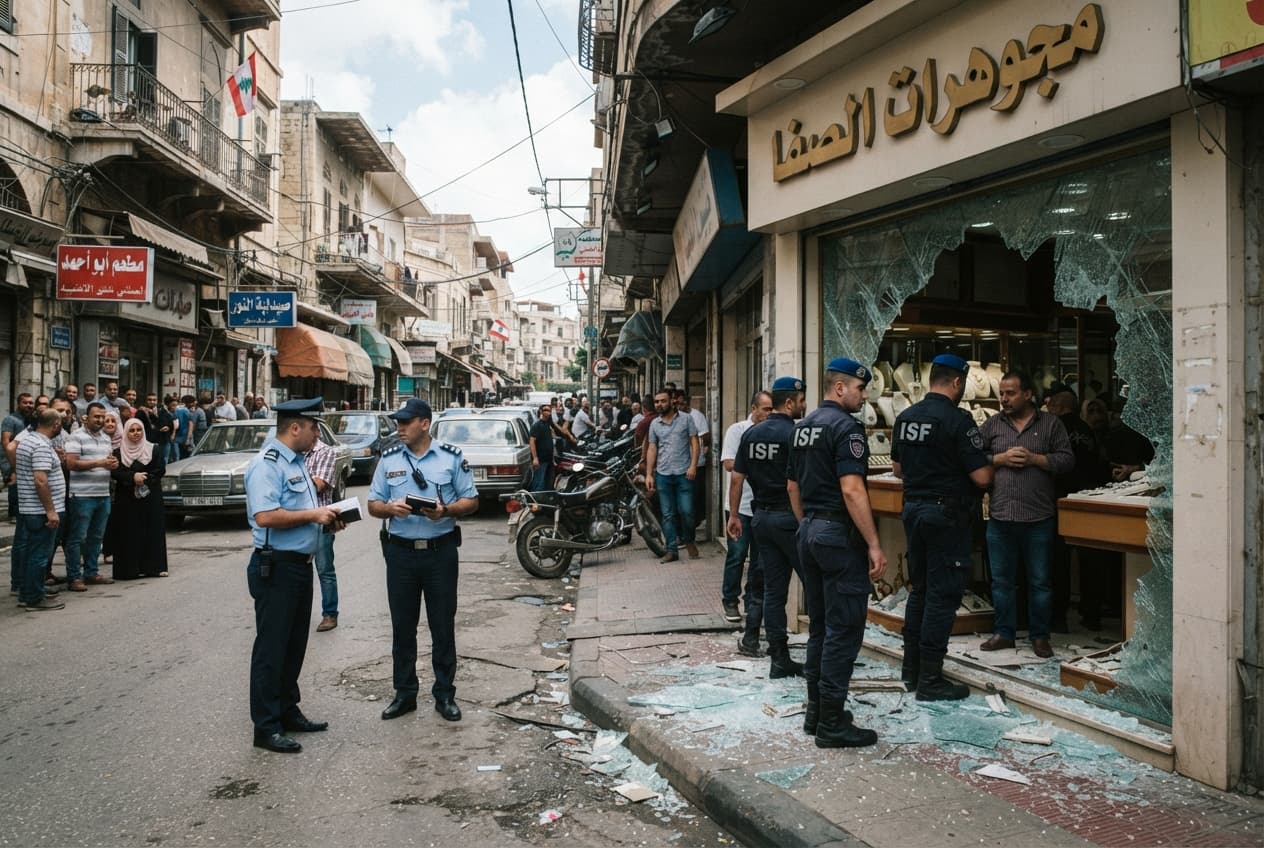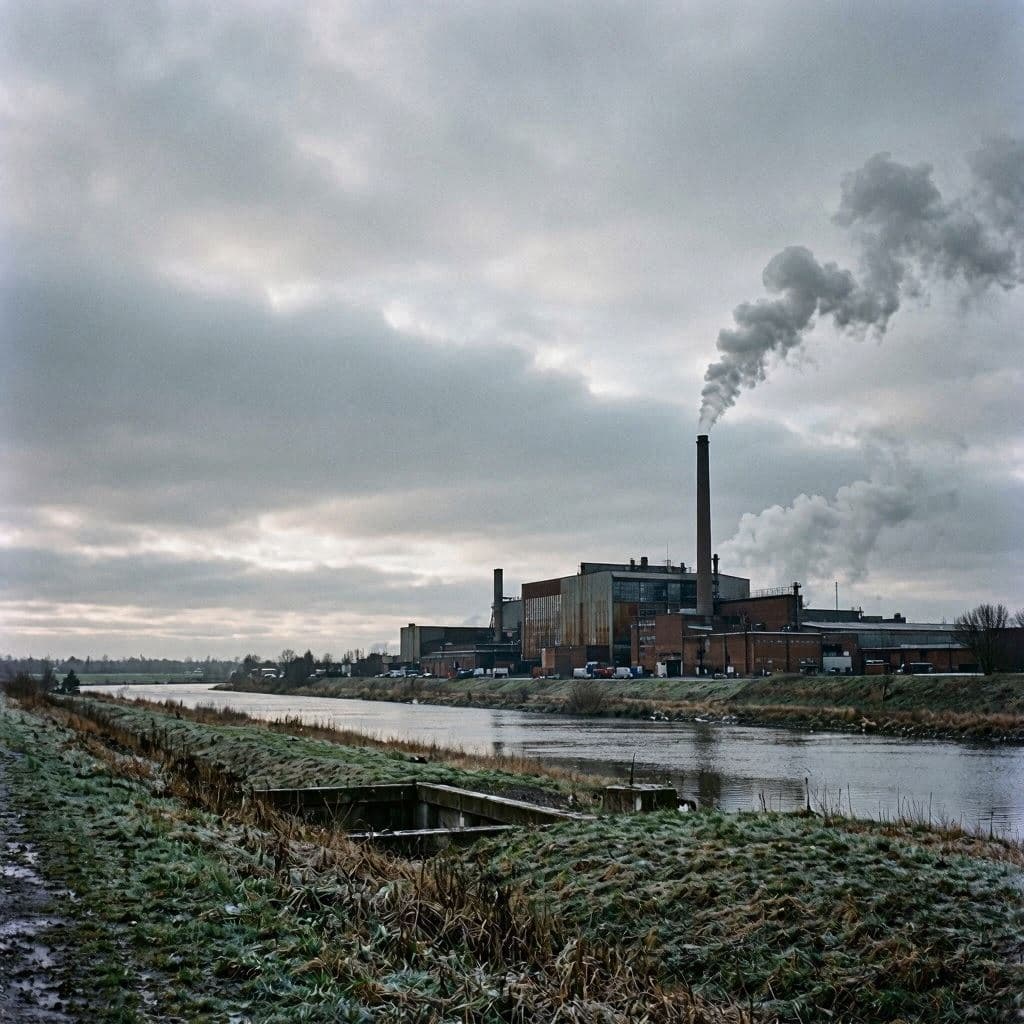
The sky above Moscow, usually a canvas of clouds and city lights, became a theater of conflict as drones streaked through the air, targeting an industrial zone on the outskirts of the capital. The attack, attributed to Ukrainian forces, resulted in the tragic loss of five lives and injured several others. This incident underscores the far-reaching impact of the ongoing war, where the boundaries between front lines and civilian centers continue to blur, bringing the harsh realities of conflict to the heart of Russia.
The strike hit a warehouse facility in the Moscow region, causing significant damage and sparking fires that took hours to contain. Governor Andrei Vorobyov confirmed the casualties, noting that the victims were likely workers or residents in the vicinity. The choice of an industrial target suggests a strategic intent to disrupt logistics and supply chains, yet the human cost remains the most poignant aspect of the event. Each life lost is a reminder of the indiscriminate nature of modern warfare.
Ukrainian officials have increasingly utilized long-range drones to strike deep into Russian territory, aiming to degrade military infrastructure and morale. These attacks are part of a broader strategy to bring the war home to those who have supported the invasion. While Moscow has bolstered its air defenses, the sheer volume and sophistication of drone strikes present a persistent challenge. The ability of these small, agile aircraft to evade detection highlights the evolving nature of aerial combat.
The response from Russian authorities has been one of condemnation and vows of retaliation. Such incidents often lead to intensified airstrikes on Ukrainian cities, creating a cycle of violence that shows little sign of abating. For the families of the victims, the political rhetoric offers little comfort. Their grief is personal and profound, rooted in the sudden and violent disruption of everyday life. The industrial zone, once a place of work and routine, is now a site of mourning.
International observers watch these developments with concern, noting the escalation in attacks on civilian-adjacent targets. The laws of war require distinction between military and civilian objects, but in the fog of conflict, these lines are often crossed. The death of five civilians in an industrial area raises questions about proportionality and precaution, issues that will likely be debated in diplomatic and legal forums in the coming days.
For the people of Moscow, the attack is a stark reminder that the war is not distant. It is present in the sirens, the smoke, and the silence that follows. The psychological impact of living under the threat of aerial bombardment adds another layer of stress to daily life. Community solidarity emerges in the aftermath, with neighbors offering support and assistance to those affected.
The drone attack on the Moscow industrial zone is a somber chapter in a long and painful conflict. It highlights the human toll of war and the urgent need for dialogue and de-escalation. As the world watches, the hope remains that peace will eventually replace the sound of drones with the quiet of recovery.
AI Image Disclaimer: Visuals associated with this article are AI-generated to illustrate the context of the event without depicting graphic violence.
Sources: Reuters Associated Press Al Jazeera
Published by Banx Network. This article is part of the Banx decentralized media programme, powered by the BXE token on the XRP Ledger.