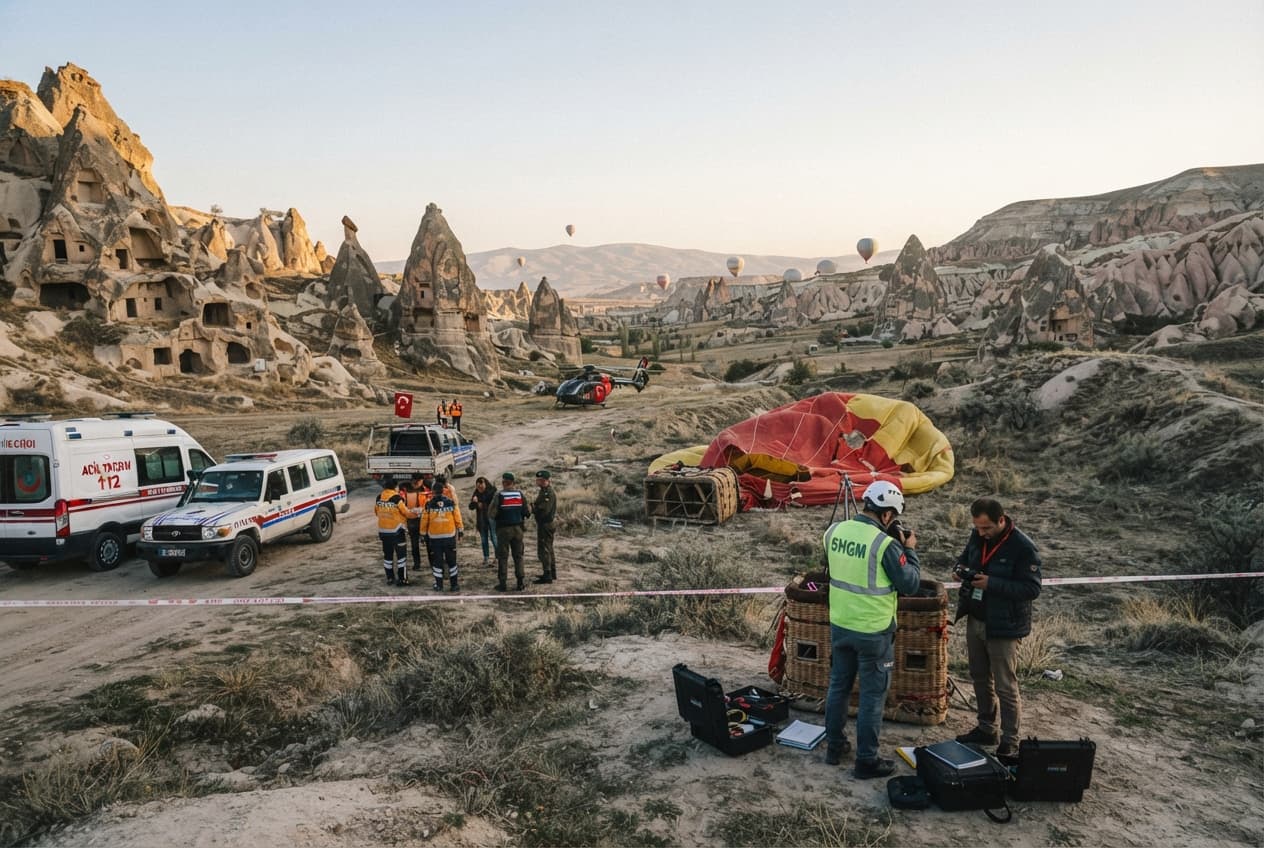
Climate discussions often begin with measurements—temperatures, rainfall totals, atmospheric concentrations, and environmental indicators. Increasingly, however, researchers are shifting attention toward another set of measurements: those connected to human health. Across North America, scientists are examining how environmental changes may influence the well-being of communities in both direct and indirect ways.
Recent studies highlight a range of climate-related health threats affecting populations throughout the continent. Researchers emphasize that these risks vary by region, age group, occupation, and local environmental conditions, making adaptation a complex but increasingly important priority.
Extreme heat remains among the most widely recognized concerns. Prolonged periods of elevated temperatures can increase the risk of dehydration, heat exhaustion, and heat-related medical emergencies. Vulnerable populations, including older adults and individuals with chronic illnesses, often face the greatest challenges during such events.
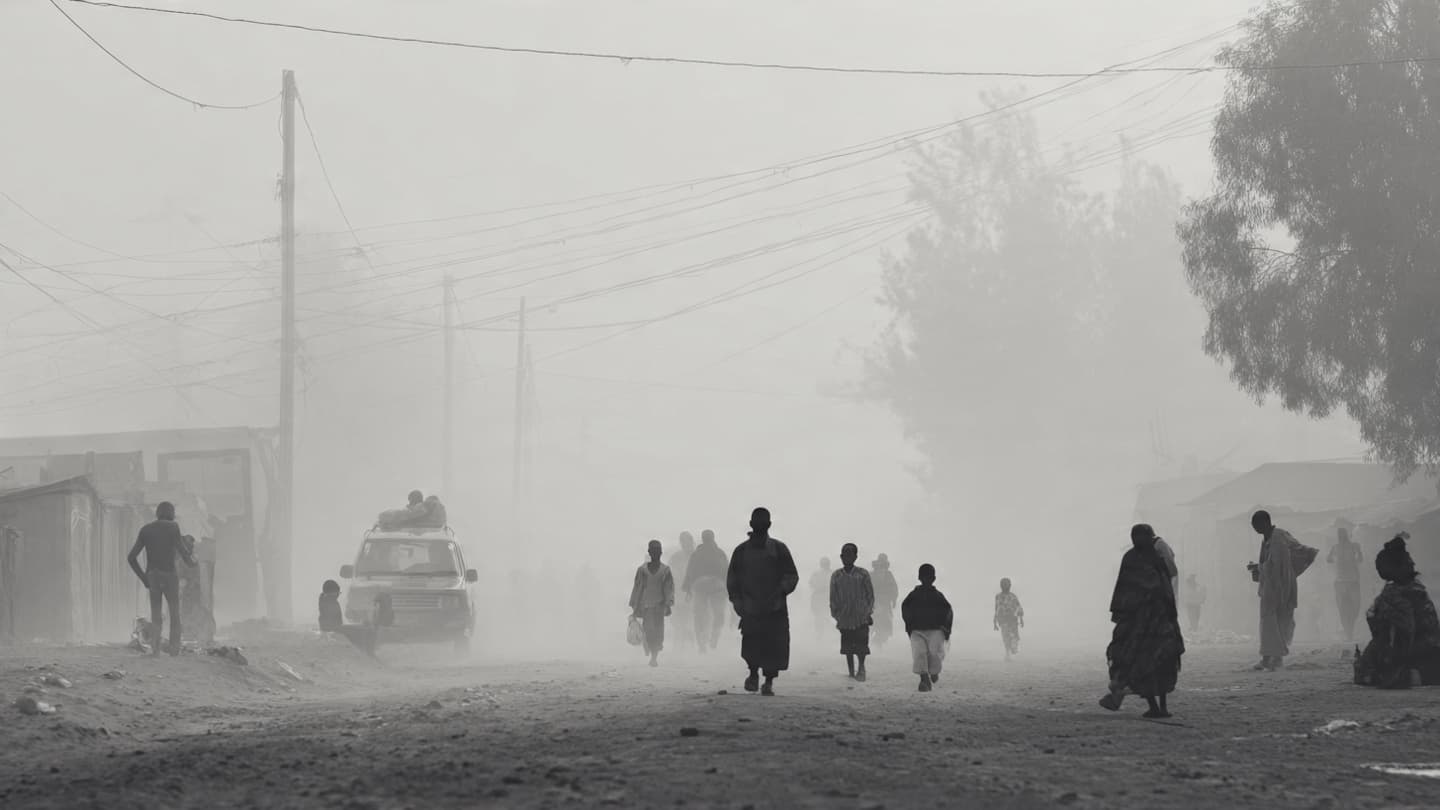
Air quality is another area receiving significant attention. Wildfire smoke, ground-level ozone formation, and other environmental factors may contribute to respiratory and cardiovascular health concerns. Scientists continue studying how changing climate conditions influence these risks over time.
Researchers are also examining the relationship between environmental shifts and infectious diseases. Changes in temperature and precipitation patterns can influence habitats for insects and animals that may carry disease-causing pathogens. Understanding these connections remains an active area of scientific investigation.
Mental health has become an increasingly important component of climate research. Communities affected by severe weather events, displacement, or environmental uncertainty may experience emotional and psychological challenges that require additional support and resources.
Agricultural systems, food security, and water availability also intersect with public health outcomes. Environmental stressors affecting crop production or water resources can create broader implications for nutrition, economic stability, and community resilience.
Public health agencies across North America are working with climate scientists to improve preparedness strategies. Early warning systems, environmental monitoring programs, and community education initiatives aim to reduce risks and strengthen resilience before emergencies occur.
Experts emphasize that adaptation measures can significantly reduce many climate-related health impacts. Investments in healthcare infrastructure, urban planning, emergency preparedness, and environmental management are increasingly viewed as public health priorities.
As scientific understanding continues to evolve, researchers stress the importance of integrating climate considerations into health planning. Their findings suggest that environmental and health challenges are becoming more interconnected, requiring collaborative approaches that support both people and the systems upon which they depend.
AI Image Disclaimer Graphics are AI-generated and intended for representation, not reality.
Source Check Credible sources identified:
Reuters World Health Organization (WHO) The Lancet National Institutes of Health (NIH) Associated Press (AP)
Published by Banx Network. This article is part of the Banx decentralized media programme, powered by the BXE token on the XRP Ledger.