
Key Highlights
- Date of Attack:February 28, 2026, marked by a series of coordinated strikes across Iran.
- Casualties:Over a hundred lives lost, with significant damage reported in urban areas.
- Regional Impact:Immediate retaliatory strikes from Iran and heightened tensions across the Middle East.
On February 28, 2026, the tranquility of a late winter morning in Tehran was shattered by a series of coordinated military strikes, marking the onset of what would be known as Operation Epic Fury. As dawn broke, the city was abruptly awakened by the sounds of rockets and aerial assaults targeting key military installations across Iran. This unprecedented offensive, led by an alliance of the United States and Israel, aimed to dismantle Iran's military capabilities, striking missile bases, air defense systems, and leadership compounds with precision.
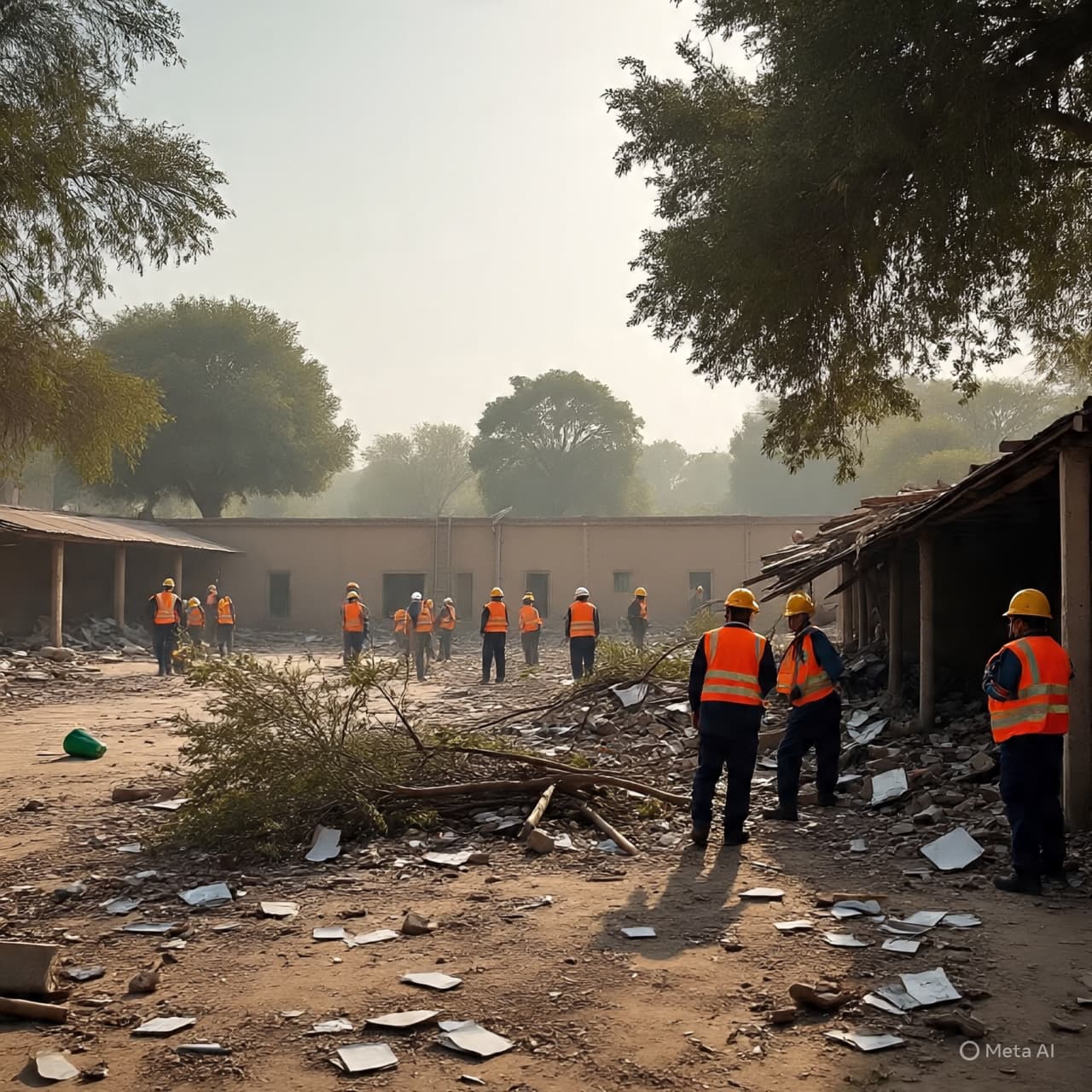
The assault began with a series of explosions that reverberated through Tehran and other major cities, transforming everyday life into scenes of chaos and destruction. In the southern town of Minab, a schoolyard filled with children became a site of tragedy as a missile struck during school hours, resulting in significant casualties. Iranian emergency officials reported over a hundred fatalities, leaving families in shock and mourning.
As the strikes unfolded, the international community watched closely. The offensive was not just a military operation; it was a significant geopolitical event that altered the balance of power in the region. Reports indicated that several high-ranking Iranian officials were killed in the strikes, leading to a swift and fierce response from Iran's Revolutionary Guard Corps. In retaliation, waves of missiles and drones were launched toward Israel and other Gulf nations, escalating the conflict and prompting air raid sirens in cities like Tel Aviv.
The ramifications of Operation Epic Fury extended beyond immediate military engagements. Global leaders expressed their concerns, with some advocating for de-escalation and a return to diplomatic negotiations, while others prepared for a prolonged military confrontation. The conflict raised alarms in financial markets, particularly regarding the potential disruption of oil supplies through the Strait of Hormuz, a critical chokepoint for global energy flows.
In the wake of the strikes, life continued in many parts of Iran, albeit under a cloud of uncertainty. Cafés remained open, and families gathered, but conversations were tinged with anxiety about the future. The stark contrast between the chaos of war and the mundane aspects of daily life highlighted the human cost of geopolitical conflicts.
As days passed, the full impact of the military strikes became clearer. The region faced a complex web of challenges, including humanitarian crises and economic instability. The world watched as the situation evolved, aware that the events of that fateful morning would have lasting implications for Iran and its neighbors.
In the aftermath of Operation Epic Fury, the Middle East found itself at a crossroads, grappling with the consequences of a conflict that had erupted with little warning. As the sun rose over the region once more, it illuminated a landscape forever changed by the echoes of war and the memories of those lost.
Published by Banx Network. This article is part of the Banx decentralized media programme, powered by the BXE token on the XRP Ledger.



