Opening
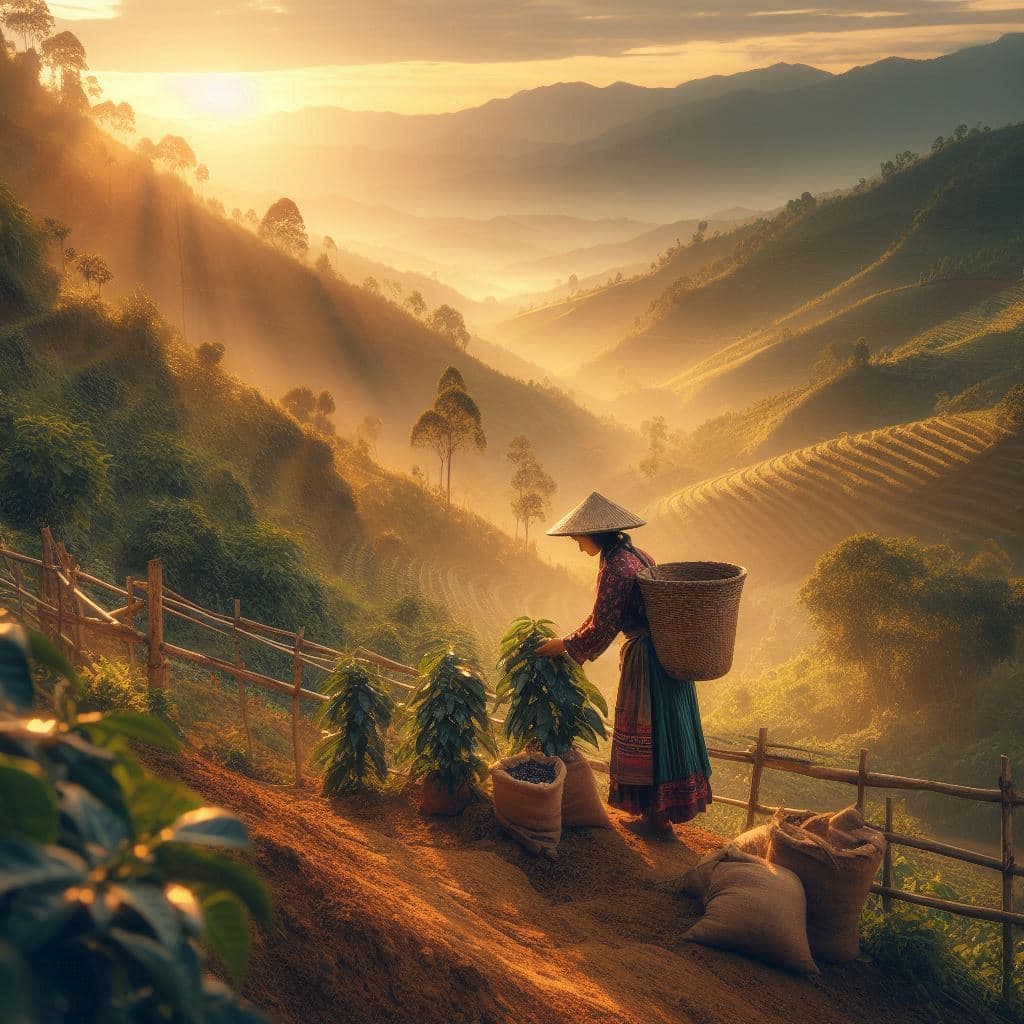
In the soft dawn of Nepal’s terraced fields, where whispering winds weave through rice paddies and shade the hillside towns, the stories of many women rise like the early mist — quiet, persistent, shaping the landscape but often unseen. Here, climate’s shifting moods are not abstract forecasts but lived rhythms: heavy rains that wash away seedbeds, unpredictable frosts that wilt crops once taken for granted, and prolonged dry spells that demand new rhythms of survival. For women entrepreneurs across Nepal’s rural heartlands, these climate shocks are not just environmental forces but the backdrop of daily struggle — an intricate dance with nature that also entangles them in deeper socioeconomic currents. Amid these rhythms, finance becomes more than capital; it becomes a compass that can guide resilience or deepen vulnerability.
Body
For women‑led enterprises in Nepal, the vulnerability to climate change reveals itself in both visible and subtle ways. A survey of two hundred women‑led businesses across more than thirty districts found that nearly two‑thirds of these enterprises have been touched by climate shocks — from drought‑induced crop failures to disrupted supply pathways — yet only a few feel adequately prepared to respond. Business resilience, in this sense, is tied not only to weather patterns but to access to finance that could buffer risks and enable adaptation.
Across Nepal’s landscapes, women play indispensable roles in agriculture and natural resource management, often operating within informal markets that lack formal safeguards. While women comprise a significant share of the labor force in agriculture, socially embedded barriers — such as limited control over land and productive assets — persist. These constraints make formal credit access difficult, particularly when financial institutions demand collateral that many women cannot provide. As a result, most women enterprises rely on personal savings or informal lending circles, limiting their capacity to invest in adaptive practices or technologies.
Gender also intersects with climate shocks through cultural expectations and household responsibilities. Women tend to shoulder disproportionate care work alongside entrepreneurial efforts — a dual burden that leaves little room for strategic planning or risk management. In sectors like coffee and pashmina — both sensitive to climatic variability — women are heavily engaged in on‑the‑ground production stages but rarely benefit from climate finance structures designed to support resilience and scaling. Without gender‑responsive targeting, such financial flows can unintentionally bypass those most exposed to climate risk.
Yet within these challenges, stories of resourcefulness emerge. In some forest‑based enterprises, women’s traditional knowledge of harvesting non‑timber products has been transformed into eco‑enterprises that generate income while promoting sustainable land use. Tailored support — including financial literacy, market access, and capacity building — has shown potential to strengthen these ventures, affirming that when women obtain meaningful access to finance, they can become powerful stewards of climate resilience and economic well‑being.
Closing
As Nepal navigates the intertwined challenges of climate change and gender inequality, the experiences of women‑led enterprises underscore both persistent gaps and emerging opportunities. Finance remains an essential lever: not merely to fund growth, but to build resilience against shocks that are already part of life across Nepal’s diverse geographies. Strengthening access to climate‑smart finance — aligned with gender‑sensitive policies and tailored enterprise support — may well be the quiet catalyst for sustained change. In acknowledging these lessons, stakeholders can better shape pathways that empower women entrepreneurs to thrive, not in spite of climate uncertainty, but with the strength to adapt and persevere.
AI Image Disclaimer (Rotated)
Visuals are created with AI tools and are not real photographs.
Sources (Media / Reports / Research)
1. Climate Policy Initiative (report on women‑led enterprises & climate finance) 2. Nepal Public Policy Review (study on gendered financial inclusion & climate adaptation) 3. ForestAction Nepal (climate & social enterprises financing context) 4. IFC (small and medium enterprises & women entrepreneurs in Nepal) 5. ESCAP / Sustainable Business press on climate finance and coffee/pashmina value chains
Published by Banx Network. This article is part of the Banx decentralized media programme, powered by the BXE token on the XRP Ledger.