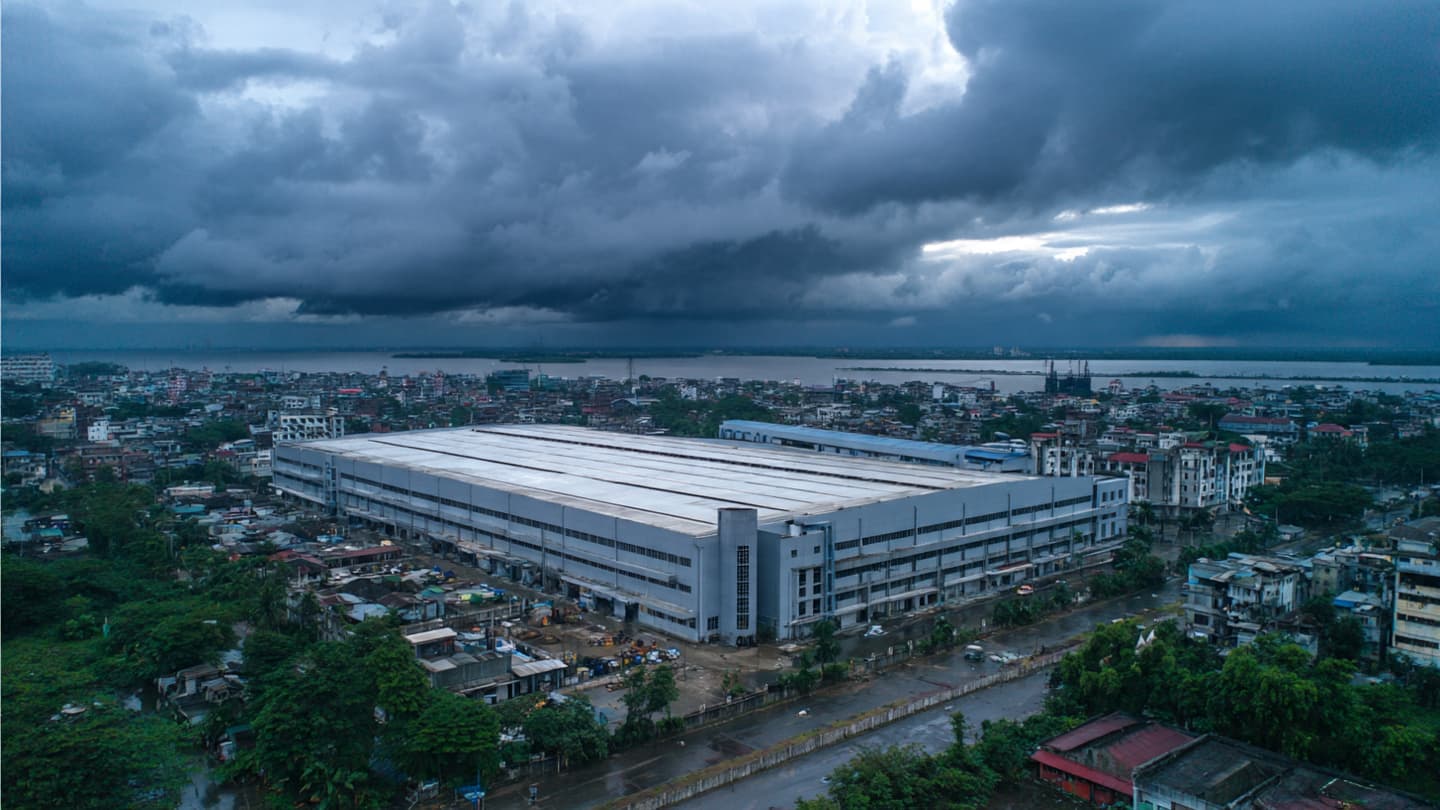
The Shwepyithar industrial zone in Yangon, once a bustling hub of textile production, is grappling with a significant economic blow following the announced closure of Kings Rich Fashion. The facility, which has served as a key supplier for the global fashion retailer H&M for the past decade, is set to shut its doors at the end of June. For the more than 1,000 workers employed at the site, the loss represents more than just a paycheck; it is a stark illustration of the mounting economic instability gripping Myanmar under current military rule.
Management has publicly attributed the sudden closure to a drastic slump in global orders, a reality that has become increasingly common for factories operating within the country. However, labor advocates and the workforce themselves view the move as part of a larger, systemic industrial crisis. In the wake of the 2021 coup, Western investment has dwindled, and manufacturers have faced a compounding pressure of inflationary costs and a lack of reliable market access. This closure is now being seen as a potential domino effect, signaling further potential withdrawals from the region’s textile sector.
The situation for the displaced employees is precarious. While the company has promised a compensation package, workers have expressed deep skepticism and concern about their future in an economy where jobs are increasingly scarce. The closure comes amid a broader pattern of labor unrest in Yangon, where workers have been actively organizing and protesting for fair wages to combat the crushing effects of local inflation. Labor organizers warn that factory owners are now using the economic downturn as a strategy to purge veteran staff and dismantle collective bargaining efforts.
The Ministry of Labor, which has faced widespread criticism for failing to protect the rights of the workforce, remains largely sidelined as workers face these summary dismissals. For the garment industry—which employs half a million people, largely women—the loss of a major supplier is a chilling indicator of the sector’s vulnerability. The closure of Kings Rich Fashion is not an isolated incident, but a clear sign that the economic foundation of Myanmar’s industrial heartland is fraying under the combined weight of political isolation and market decline.
As the factory prepares to power down its machines for the last time next month, the local community is bracing for the fallout. For the hundreds of families who relied on these steady, albeit grueling, textile jobs, the end of the line at Shwepyithar marks the beginning of an uncertain struggle to survive in a rapidly deteriorating economic landscape. The silence that will soon descend upon the factory floor is a grim, quiet testament to the human cost of global trade shifting away from the volatile borders of Myanmar.
Published by Banx Network. This article is part of the Banx decentralized media programme, powered by the BXE token on the XRP Ledger.