Large stadiums rarely emerge overnight. Long before steel rises into the sky, there are quieter foundations laid — consultations, debates, revised drawings, and patient negotiation. This week, after months of deliberation and public discussion, plans for a new stadium received final approval, marking a significant milestone in a journey that has unfolded both on paper and in public forums.
For supporters and city officials alike, the decision carries more than architectural meaning. A stadium is seldom just a sporting venue; it is a civic landmark, a gathering place where shared moments are staged and collective memory is formed. Approval signals not merely permission to build, but confidence — in economic forecasts, infrastructure planning, and long-term vision.
The path to this moment has not been without scrutiny. Proposals of this scale typically prompt questions about funding structures, transport links, environmental considerations, and community impact. Public hearings and council sessions often reflect a careful balancing act between ambition and accountability. In this case, final consent suggests that those concerns have been examined and conditions agreed upon.
Supporters of the project have pointed to anticipated economic benefits, including job creation during construction and increased visitor activity once the venue opens. Modern stadium designs frequently integrate retail, hospitality, and public spaces, broadening their function beyond match days. Advocates describe such developments as catalysts for regeneration, capable of reshaping surrounding districts.
Critics, as in many similar projects, have urged vigilance regarding public expenditure and long-term financial commitments. Large-scale infrastructure carries inherent risk, particularly when projections meet the unpredictable realities of sport, tourism, and economic cycles. Final approval does not silence those concerns, but it does signal that governing bodies believe the proposal meets required thresholds.
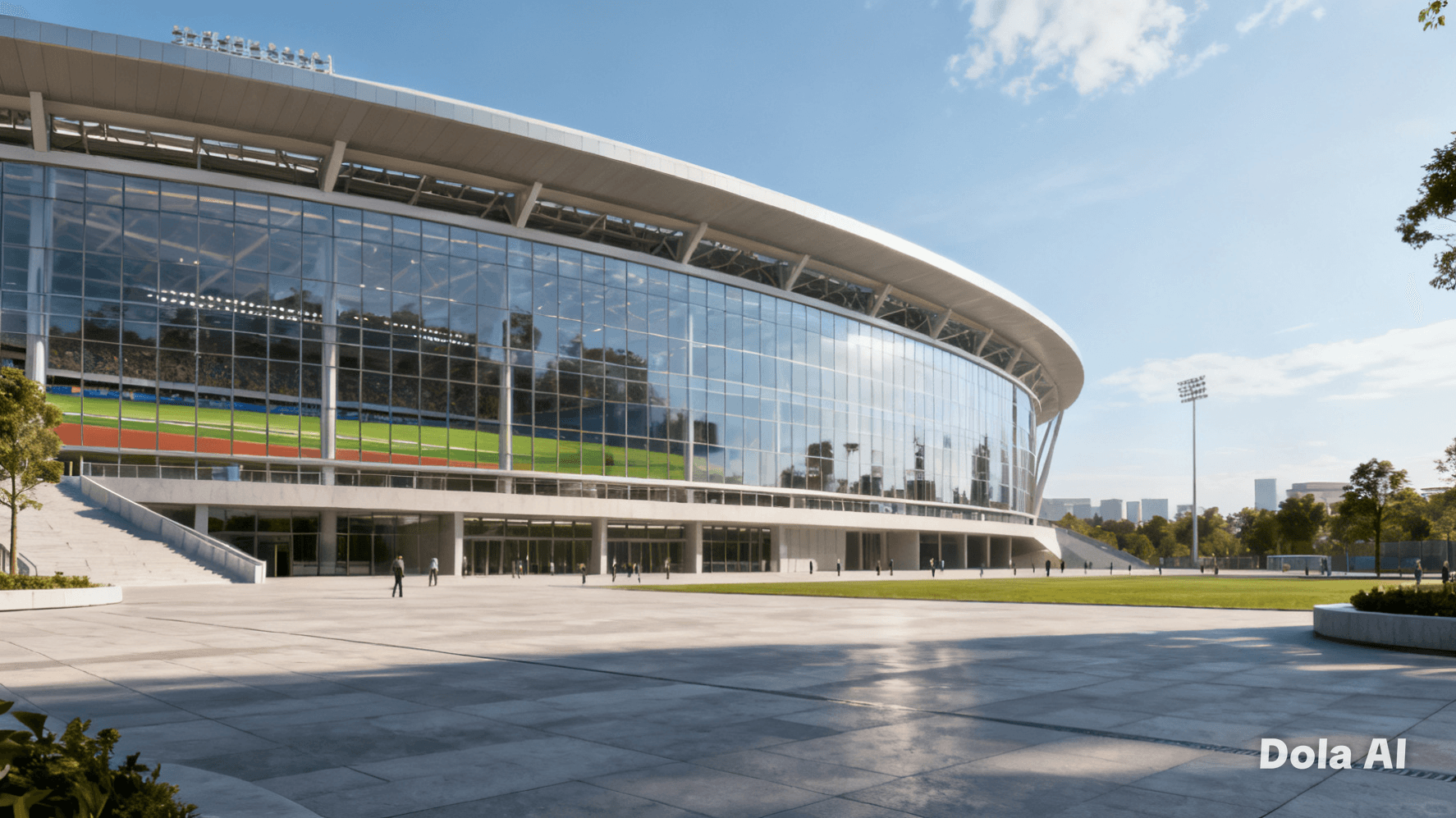
Architectural renderings reveal a contemporary design aimed at blending functionality with symbolism — expansive seating, enhanced accessibility, and environmental efficiency measures aligned with modern standards. Sustainability considerations, including energy use and transport planning, have formed part of the evaluation process.
For fans, the approval stirs a quieter anticipation. A new ground often represents renewal — improved facilities, broader capacity, and the promise of future triumphs played out beneath new lights. Yet it can also evoke nostalgia for the venue it may replace, where generations have gathered in shared devotion.
Construction timelines and phased development plans are expected to be detailed in the coming months. Officials have indicated that preparatory work will begin following regulatory confirmations and contractual finalizations. The transformation from blueprint to building will unfold gradually, measured not in applause but in cranes and concrete.
As cities evolve, so too do their landmarks. Final approval does not mark the end of the conversation but rather the beginning of a tangible process. What was once a proposal debated in chambers and committee rooms now moves toward physical form.
In the steady rhythm of urban change, this decision stands as a formal step forward. The vote has been cast, the papers signed, and the vision endorsed. What rises next will depend not only on engineering and investment, but on the communities who will one day fill its seats.
AI Image Disclaimer Visuals are created with AI tools and are not real photographs.
Sources : Associated Press BBC News Sky News CBS Sports Indiana Capital Chronicle
Published by Banx Network. This article is part of the Banx decentralized media programme, powered by the BXE token on the XRP Ledger.