
Key Highlights
- New stadium plans receive final approval after months of deliberation.
- Approval signifies confidence in economic forecasts and community engagement.
- Critics urge caution regarding public expenditure and long-term commitments.
The journey to erecting a new stadium is rarely swift; it involves extensive groundwork that includes consultations, debates, and revisions. This week, after months of public discussion and deliberation, plans for a new stadium have received final approval, marking a pivotal moment in a process that has unfolded both in public forums and behind closed doors.
For supporters and city officials, this decision transcends mere architecture. A stadium often serves as a civic landmark, a venue for shared experiences, and a place where collective memories are forged. The approval is not just a green light for construction; it reflects a broader confidence in economic forecasts, infrastructure planning, and the long-term vision for the community.
However, the path to this approval has not been without its challenges. Large-scale proposals typically invite scrutiny regarding funding, transportation links, environmental impact, and community effects. Public hearings and council sessions have showcased a careful balancing act between ambition and accountability. The final consent indicates that these concerns have been thoroughly examined and that conditions have been agreed upon by all stakeholders involved.
Proponents of the project highlight the anticipated economic benefits, including job creation during the construction phase and increased visitor activity once the venue opens. Modern stadium designs often incorporate retail, hospitality, and public spaces, enhancing their role beyond just hosting sporting events. Advocates argue that such developments can act as catalysts for urban regeneration, reshaping the surrounding districts and invigorating local economies.
Conversely, critics of the project have called for vigilance regarding public spending and long-term financial commitments. Large-scale infrastructure projects carry inherent risks, especially when economic projections intersect with the unpredictable nature of sports and tourism. While the final approval does not eliminate these concerns, it does suggest that governing bodies believe the proposal meets necessary thresholds for viability.
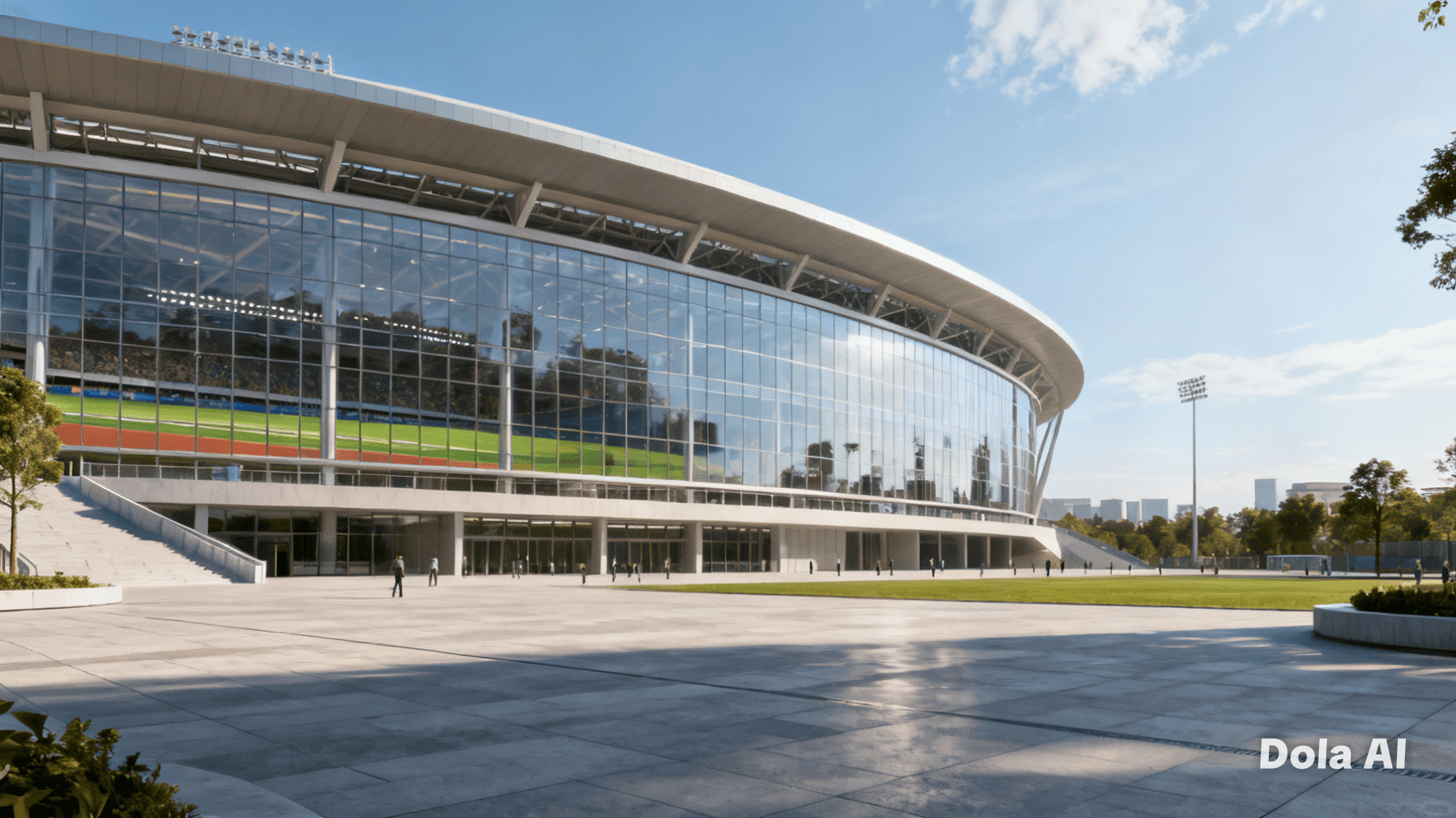
Architectural renderings of the new stadium reveal a contemporary design that aims to blend functionality with symbolism. Features such as expansive seating, improved accessibility, and environmentally efficient measures are aligned with modern standards. Sustainability considerations, including energy use and transportation planning, have been integral to the evaluation process, reflecting a commitment to responsible development.
For fans, the approval brings a sense of quiet anticipation. A new stadium often symbolizes renewal, promising improved facilities, greater capacity, and the potential for future triumphs under new lights. Yet, it can also evoke nostalgia for the venue it may replace, where generations have gathered in shared devotion to their teams.
Details regarding construction timelines and phased development plans are expected to be released in the coming months. Officials have indicated that preparatory work will commence following the necessary regulatory confirmations and finalization of contracts. The transition from blueprint to building will unfold gradually, marked not by immediate applause but by the steady presence of cranes and concrete.
As cities evolve, so too do their landmarks. The final approval does not signify the conclusion of the conversation but rather the beginning of a tangible process. What was once a proposal debated in chambers and committee rooms is now poised to take physical form.
In the ongoing rhythm of urban change, this decision represents a formal step forward. The vote has been cast, the papers signed, and the vision endorsed. The future of this new stadium will depend not only on engineering and investment but also on the communities that will one day fill its seats.
Published by Banx Network. This article is part of the Banx decentralized media programme, powered by the BXE token on the XRP Ledger.



