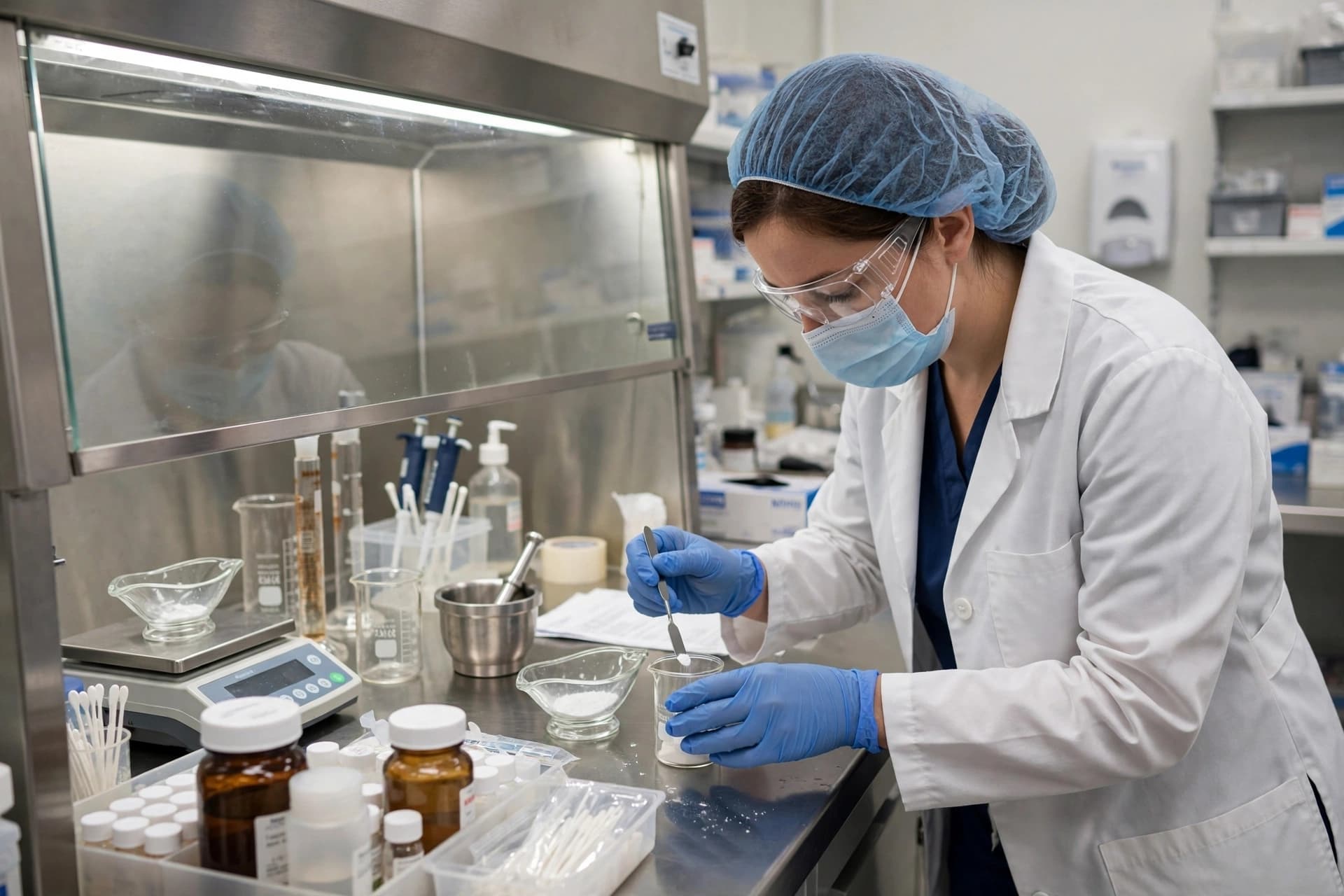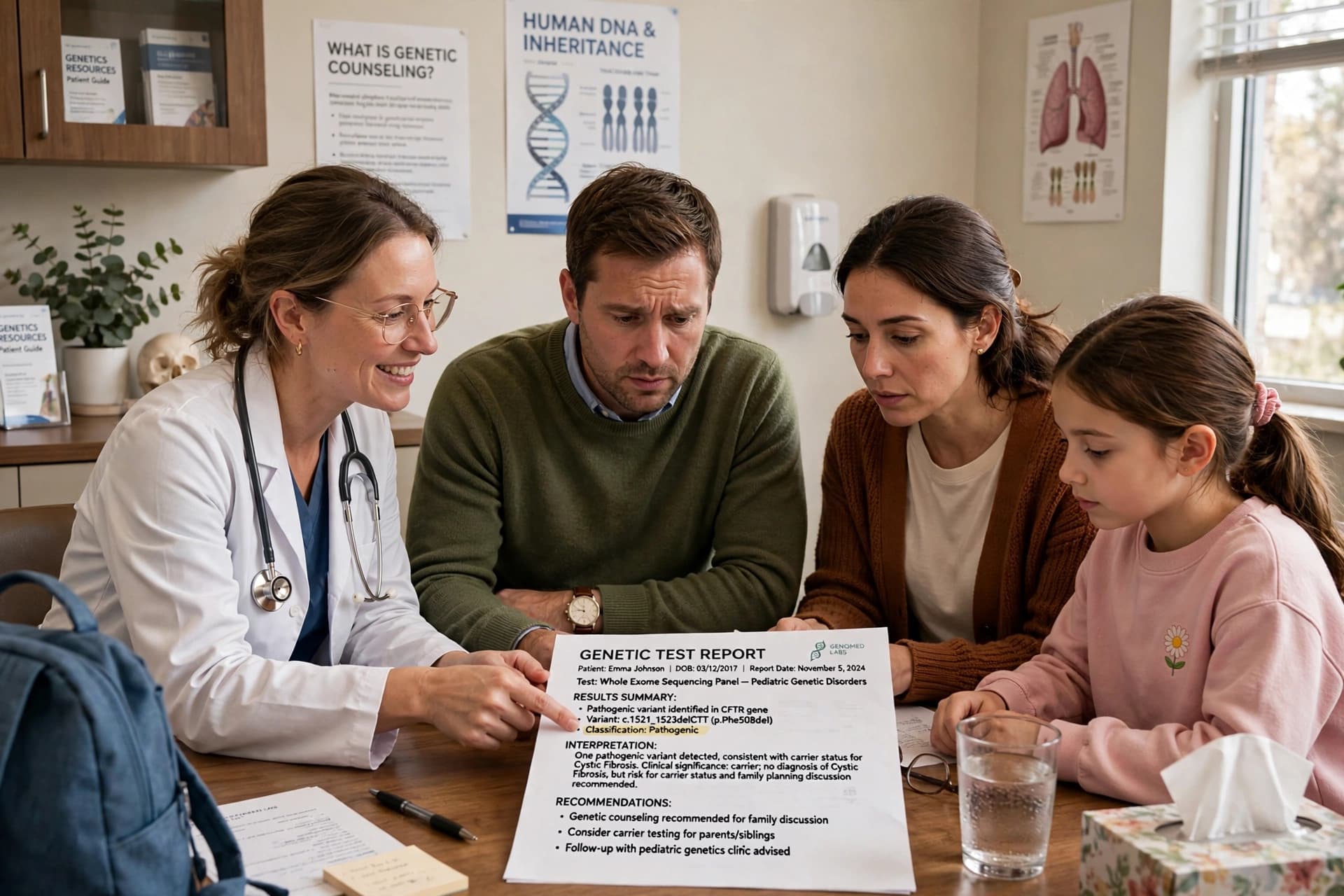
For families living with a rare disease, the search for a diagnosis can consume years. It is a journey measured not in miles but in appointments, in tests that return inconclusive results, in specialists who listen carefully but cannot name what they see. The word “odyssey” is often used, and it fits—a long wandering with no certain destination. But a new pathway is emerging, one that begins with a genetic answer and leads, in some cases, toward a therapy designed for a single person.
The landscape of rare disease has changed dramatically in recent years. There are more than 7,000 known rare diseases, and only about 5 percent have an approved therapy . Yet the tools for diagnosis have improved. Whole genome sequencing, long-read sequencing, and multi-omic approaches are now capable of identifying variants that were previously invisible . In 2018, a therapy was developed for a single girl with CLN7 Batten’s disease—the first individualized genetic therapy of its kind. Since then, more than 20 individualized antisense oligonucleotides (ASOs) have been developed and delivered to over 30 patients worldwide .
The core of this new approach is the antisense oligonucleotide, a short synthetic strand of genetic material designed to bind to RNA and alter the production of a disease-causing protein . For patients with ultrarare genetic conditions, these therapies can be designed to target the specific mutation responsible, something that is impossible with conventional drugs. The n-Lorem Foundation, a nonprofit organization, has developed a platform for creating these treatments, and researchers at institutions like Mayo Clinic have begun to translate them into clinical studies. In one recent case, a patient with a rare genetic form of ALS received an ASO targeting a mutation in the CHCHD10 gene. After six doses, levels of neurofilament light—a biomarker of nerve-cell injury—declined by as much as 50 percent, and measures of breathing and physical function remained stable .
The promise of this approach is significant, but so are the challenges. Individualized therapies do not fit neatly into the traditional drug development model, which relies on large clinical trials and standardized manufacturing. Nonprofit initiatives like the N=1 Collaborative have emerged to streamline the process, developing standardized protocols and frameworks . Regulatory agencies are also adapting. The FDA has proposed a Rare Disease Evaluation Program and a Platform Technology Designation Program to facilitate development of therapies for ultrarare conditions . The concept of a “platform therapy”—a foundational technology that can be adapted across multiple diseases with minimal modification—has gained traction, particularly in the field of RNA-based therapeutics .
But the pathway from diagnosis to therapy is not without its pitfalls. A negative clinical whole genome sequence does not exclude the presence of a genetic disease; short-read techniques can miss repeat expansions and large chromosomal aberrations . Clinical evaluation remains difficult, with variable penetrance, expressivity, and blended phenotypes complicating the picture. Multidisciplinary expert teams are often needed to identify subtle phenotypic alterations across multiple domains . And even when a diagnosis is made, the data for rare diseases is fragmented across hospitals, laboratories, and time zones, with no systemic data warehouses to pool information .
Artificial intelligence may help bridge some of these gaps. Generative AI and foundation models are being explored as tools for integrating and annotating multicenter datasets, discovering novel patterns in unstructured data, and providing standardized metrics to augment human expertise . But AI cannot replace the clinical judgment that rare disease diagnosis requires, nor the ethical considerations that accompany the development of therapies for a single patient.
The pathway from genomic diagnosis to patient-customized therapy is still being built, brick by brick, case by case. Each individualized treatment adds to a body of knowledge that will eventually inform how others are developed. For families who have spent years seeking an answer, the possibility that the answer might lead somewhere—that a diagnosis could become the beginning of treatment rather than the end of hope—represents a profound shift. The odyssey may not be over, but the destination is no longer simply a name for the disease. It is a path forward.
AI Image Disclaimer: This article contains AI-generated imagery created for editorial purposes only.
Sources: Mayo Clinic, Genes, Science, Springer, SAGE Journals
Published by Banx Network. This article is part of the Banx decentralized media programme, powered by the BXE token on the XRP Ledger.