
Key Highlights
- Innovative Approach:Reefense integrates ecology and engineering for coastal protection.
- Biodiversity Boost:Living shorelines increase local biodiversity significantly.
- Climate Resilience:Adaptable solutions for changing coastal environments.
The coastline represents a critical interface where the relentless energy of the ocean meets the vulnerability of land. For centuries, our primary response to coastal erosion has been to erect massive, static barriers designed to resist the tide. However, as climate change intensifies storms and raises sea levels, the limitations of these rigid defenses are becoming increasingly evident. A transformative approach known as "Reefense" is emerging, advocating for a strategy that embraces the ocean rather than resisting it, fostering a collaborative relationship between ecology and engineering.
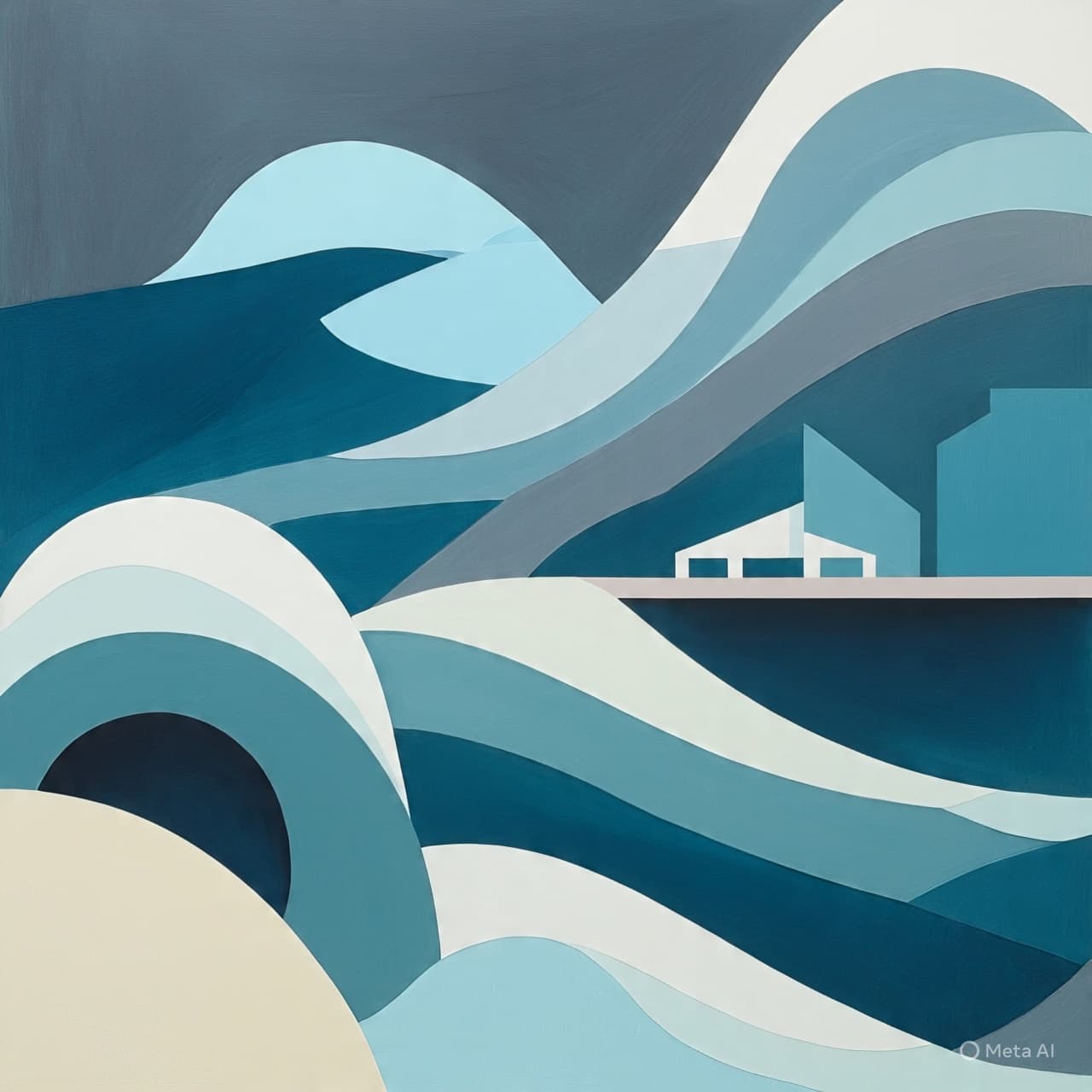
Reefense living shorelines signify a paradigm shift in coastal management philosophy. Unlike traditional barriers that often degrade the surrounding environment, these innovative structures are designed to function as both protective armor and ecological incubators. By utilizing engineered substrates that promote the growth of natural elements such as oyster reefs, mangroves, or salt marshes, these projects create a self-sustaining defense mechanism. As these biological components flourish, they not only reinforce the structure but also absorb wave energy, trap sediment, and provide essential habitats for diverse coastal species.
Observing these living shorelines reveals a dynamic piece of infrastructure that evolves over time. The engineered base serves as a scaffold, allowing ecological processes to take precedence. This integration blurs the line between built and natural environments, transforming the shoreline into an active participant in the coastal ecosystem. As the structure adapts to environmental forces, it becomes a resilient defense against erosion and storm surges.
The interdisciplinary nature of the Reefense approach requires engineers to adopt an ecologist's mindset, considering factors such as larval settlement and nutrient cycling. Conversely, ecologists must engage with the structural demands of wave attenuation and material longevity. This collaborative process aims to create solutions that are not only effective but also aesthetically pleasing, recognizing that the best engineering often aligns with natural processes.
The implications for coastal management are profound. As we confront the uncertainties posed by climate change, adaptable and scalable solutions are essential. Living shorelines like Reefense offer a pathway that combines ecological uplift with coastal defense, transforming shorelines into sites of renewal rather than conflict. This holistic approach emphasizes the intrinsic value of coastal ecosystems, acknowledging their resilience and the services they provide.
As the implementation of Reefense projects expands, ongoing evaluation is crucial. Understanding how these hybrid systems perform under various conditions will inform future adaptations and refinements. Data collected from these sites will enhance our knowledge of how living systems can serve as strategic assets in coastal protection. This journey of discovery highlights the interconnectedness of our safety and the health of coastal ecosystems.
Ultimately, the Reefense framework exemplifies the power of integration. It encourages us to address contemporary challenges through a multifaceted lens, merging the precision of engineering with ecological wisdom. By fostering a sustainable and resilient future for our coastlines, we can ensure that the structures we build not only defend against environmental threats but also support vibrant marine life.
The development of the Reefense framework employs a multi-objective optimization algorithm to balance structural integrity—essential for dissipating wave energy—with biological suitability for target species. Pilot studies indicate that these living shorelines can achieve a 40–60% reduction in wave energy while simultaneously enhancing localized biodiversity significantly compared to traditional concrete seawalls. This interdisciplinary approach has successfully progressed beyond the prototype phase, paving the way for large-scale implementation.
Published by Banx Network. This article is part of the Banx decentralized media programme, powered by the BXE token on the XRP Ledger.



