
Key Highlights
- Increased wildlife encounters reported in Estonia as urban areas expand.
- Authorities issue seasonal warnings for drivers to remain vigilant.
- The importance of respecting wildlife habitats emphasized for coexistence.
As urban development continues to encroach upon natural habitats in Estonia, the interactions between humans and wildlife are becoming increasingly common. This phenomenon is particularly noticeable during the spring months when animals are more active, driven by the instinctual need for food and the curiosity of their young. The Estonian Transport Administration has recently issued warnings urging drivers to be vigilant, especially during dawn and dusk when wildlife is most likely to cross roads.
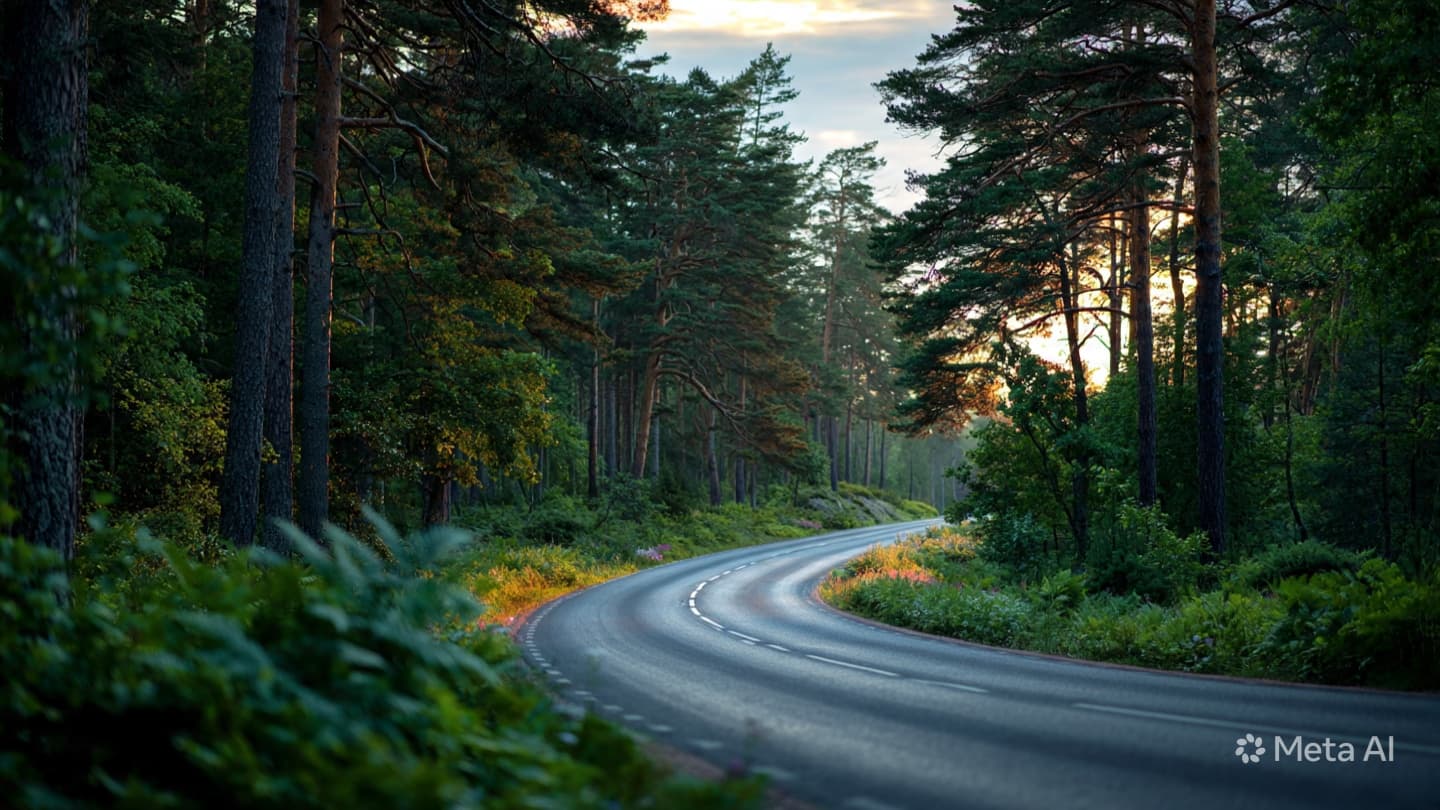
The forest, often seen as a distant backdrop to urban life, is a living ecosystem that breathes and pulses with life. The roe deer, lynx, and other wildlife navigate their age-old paths, which now intersect with human-made structures. This intersection creates a unique narrative of coexistence, where the beauty of nature meets the realities of urban expansion. The presence of wildlife in suburban areas serves as a reminder that we share this landscape with creatures that have thrived long before our towns and cities were established.
As the seasons change, so too does the behavior of wildlife. Spring brings a surge of activity as animals emerge from winter dormancy. The Estonian Transport Administration emphasizes the need for drivers to adjust their speed and remain alert, particularly in areas where wildlife crossings are common. The agency's warnings highlight the importance of understanding that roads, while essential for human mobility, can disrupt the natural rhythms of wildlife.
In rural areas, technology plays a role in enhancing awareness of wildlife presence. Sensors installed along major roadways act as silent guardians, alerting drivers to potential animal crossings. These systems serve as a modern acknowledgment of the shared space between humans and wildlife, reminding us that our paths are not the only ones traversing the landscape. When these sensors activate, they signal a need for caution, urging drivers to slow down and respect the natural world that exists alongside our constructed environments.
However, the responsibility for wildlife safety extends beyond technology and official warnings. It lies within each individual who travels through these shared spaces. A simple act of slowing down and being mindful of the surroundings can make a significant difference. The roadside forest is not merely a backdrop; it is a vital habitat for countless creatures. By recognizing this, we can foster a sense of humility and respect for the wildlife that shares our environment.
As we move forward into the warmer months, it is crucial to cultivate a greater awareness of our interactions with wildlife. Every drive or walk along the edges of forests presents an opportunity for connection with the natural world. By honoring the boundaries of wildlife habitats and respecting the silent journeys of forest dwellers, we enrich our own lives and ensure that the wildness that characterizes our landscape remains a respected neighbor.
In conclusion, as urban areas continue to expand, the need for vigilance and respect for wildlife becomes increasingly important. The Estonian authorities, including the Transport Administration, are urging drivers to remain alert for wildlife, particularly during the critical hours of dawn and dusk. By acknowledging our shared space with nature, we can contribute to a safer environment for both humans and wildlife alike.
Published by Banx Network. This article is part of the Banx decentralized media programme, powered by the BXE token on the XRP Ledger.



