The waters of the Persian Gulf have always reflected more than sunlight. Every passing tanker, every distant naval vessel, and every quiet dawn across the Strait of Hormuz reminds the world that some places carry the weight of far more than geography. Here, commerce, diplomacy, and security flow through the same narrow passage, each responding to currents that cannot always be seen from the shoreline.
In recent days, attention has returned to the delicate balance between negotiation and military preparedness. U.S. President Donald Trump said Washington is engaged in what he described as "very deep talks" concerning Iran, while warning that he is prepared to authorize "strong military action" if diplomatic efforts fail to produce meaningful progress. He suggested that the opportunity for negotiations is limited, emphasizing that events would either move quickly or not at all.
The remarks arrived during a period of cautious restraint. Earlier military operations had been paused to create space for mediation efforts involving regional partners, particularly Oman, whose diplomatic channels have long served as a bridge during periods of heightened tension. That pause has not been presented as a lasting settlement but rather as an opportunity to determine whether dialogue can reduce the risk of broader confrontation.
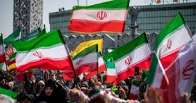
Yet the path toward diplomacy remains uncertain. Iranian officials have continued to state publicly that they are not engaged in direct negotiations with the United States, maintaining that any current contacts occur indirectly through intermediaries. This difference in public positions illustrates how diplomacy often advances quietly, with official statements revealing only part of a much larger process unfolding behind closed doors.
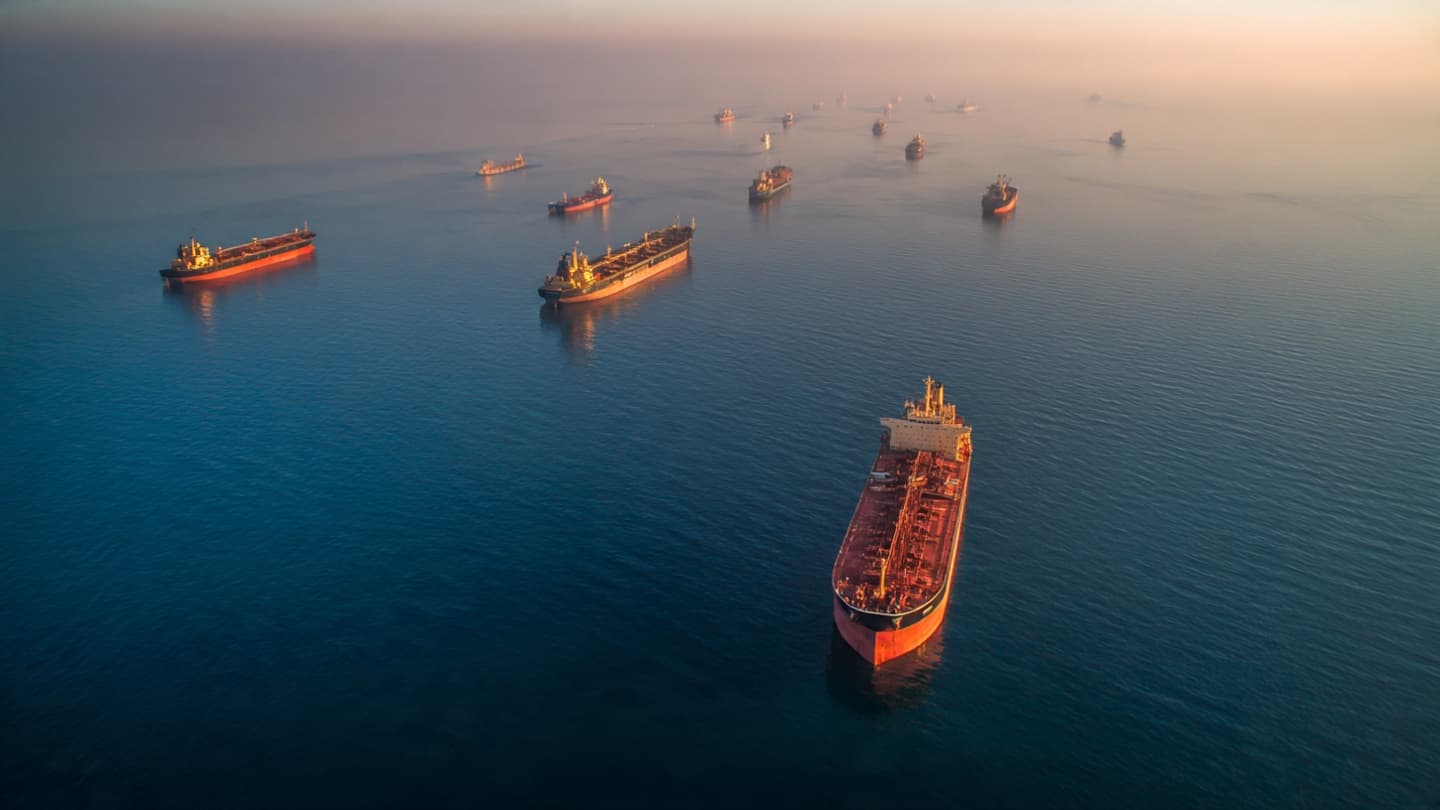
Beyond the political exchanges lies the strategic importance of the Strait of Hormuz itself. The narrow maritime corridor remains one of the world's most vital energy routes, carrying a substantial share of globally traded crude oil and liquefied natural gas. Any disruption affects not only countries bordering the Gulf but also industries, consumers, and financial markets across continents, linking distant economies to events unfolding within a relatively small stretch of water.
Communities throughout the region experience these developments in practical ways. Port operators monitor vessel movements with greater attention, shipping companies evaluate changing security conditions, and energy markets respond to each new announcement. Even when military activity slows, uncertainty itself becomes a force that influences trade, investment, and daily decision-making.
Military readiness, meanwhile, continues alongside diplomatic outreach. American forces remain positioned across the region while regional allies strengthen surveillance and defensive capabilities. The coexistence of negotiation and preparedness reflects a familiar pattern in international affairs: diplomacy often gains its greatest urgency precisely when military options remain available.
History suggests that negotiations involving longstanding rivals rarely advance in a straight line. Progress is often measured through pauses, indirect exchanges, and incremental understandings rather than dramatic breakthroughs. Each statement issued publicly may therefore represent only one layer of a broader diplomatic effort whose outcomes remain uncertain until agreements are tested over time.
For now, Washington continues to express willingness to pursue diplomacy while warning of possible military consequences should talks fail. Tehran maintains its position that no direct negotiations are underway, and regional mediators continue their efforts to prevent further escalation. Across the Gulf, the tides continue to rise and fall as they always have, reminding the world that while seas follow the pull of nature, peace often depends upon the choices made by those gathered along their shores.
AI Image Disclaimer
Visual representations were generated using AI to illustrate the topic and do not depict actual events or photographs.
Sources
Reuters Axios Associated Press CBS News Oman News Agency
Published by Banx Network. This article is part of the Banx decentralized media programme, powered by the BXE token on the XRP Ledger.