Morning arrives differently in places shaped by collective grief. In southern Israel, where fields once carried the ordinary sounds of harvests, school buses, and weekend gatherings, memory now settles into the landscape like dust after a long wind. Roads rebuilt after destruction still carry traces of absence. Empty homes stand beside repaired storefronts. And in the months since the attacks of October 7, testimony has continued to emerge slowly, carefully, as survivors and investigators attempt to give language to experiences that resist simple description.
This week, a newly released report detailing allegations of sexual violence during the Hamas-led attacks and subsequent captivity renewed painful conversations already woven deeply into Israeli public life. Compiled by legal experts, medical professionals, and survivor advocates, the report gathered witness testimony, forensic assessments, released hostage accounts, and visual evidence connected to the October 7 assault and the months that followed.
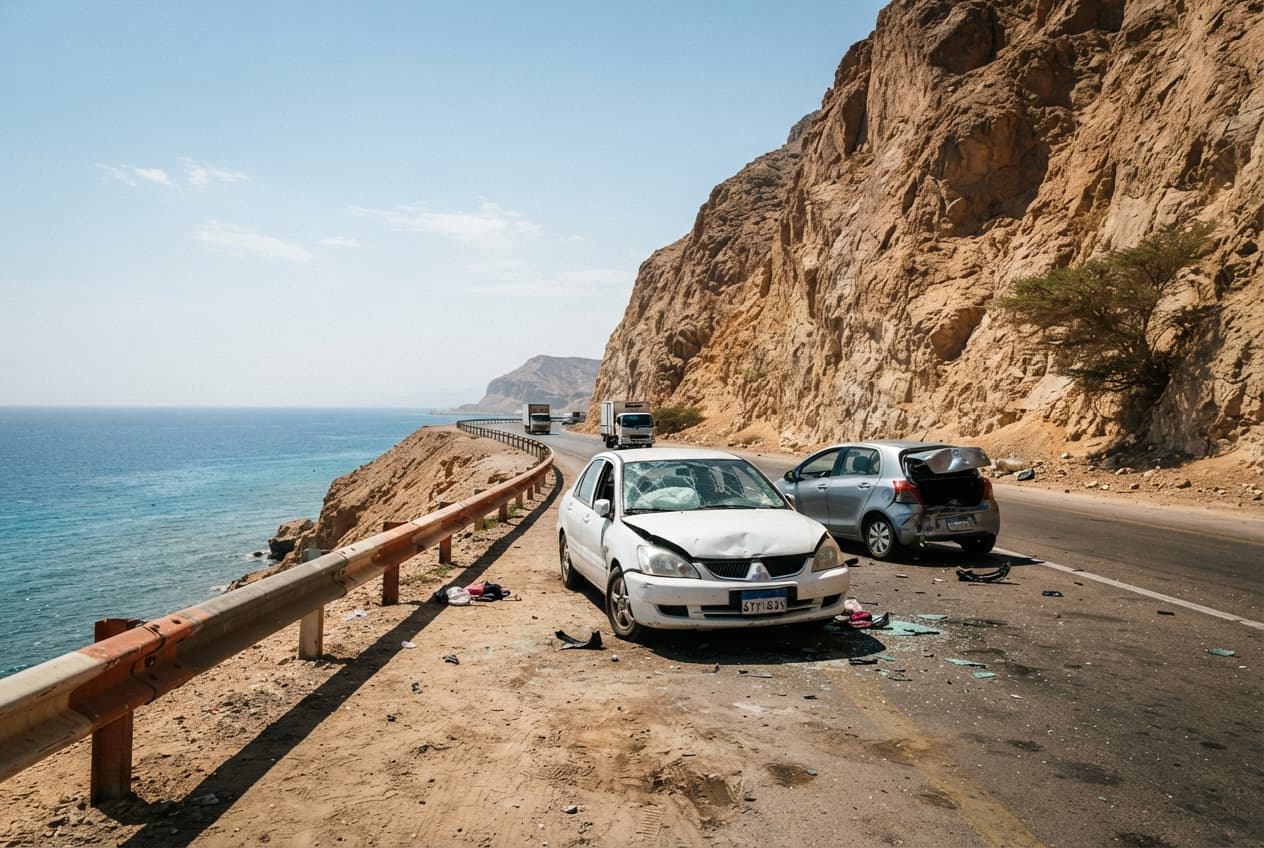
The attacks, which began at dawn on October 7, 2023, left around 1,200 people dead in Israel and saw more than 250 individuals taken hostage into Gaza, according to Israeli authorities. Entire communities near the Gaza border were overwhelmed in a matter of hours. Music festivals turned into sites of panic and flight. Homes became hiding places. Roads filled with abandoned vehicles beneath smoke and sirens.
From the beginning, allegations of sexual violence circulated alongside reports of killings and abductions. Yet many accounts remained fragmentary, delayed by trauma, ongoing conflict, and the difficulty of documenting crimes committed amid chaos. The new report, according to its authors, sought to consolidate evidence gathered over many months, including testimonies from released hostages who described abuse during captivity as well as accounts linked to victims killed during the initial assault.
Some survivors spoke publicly for the first time. Others remained anonymous, their experiences filtered through medical personnel, investigators, or family members. The report described patterns of violence that researchers said reflected systematic abuse rather than isolated incidents. Israeli officials called for broader international recognition of the allegations, while human rights organizations and legal experts emphasized the importance of independent documentation and accountability mechanisms.
Beyond the legal and political implications, the report has also reopened quieter wounds inside Israeli society itself. In towns near the Gaza border, memorial photographs still hang at intersections and bus stops. Families continue waiting for news of hostages who remain in captivity. Released captives, many now back among relatives and communities, carry memories that unfold unevenly over time—through interviews, therapy sessions, courtroom testimony, or prolonged silence.
The conversation surrounding conflict often narrows human suffering into statistics and strategy. But reports like these resist abstraction. They return attention to individual bodies, interrupted lives, and the private dimensions of war that linger long after headlines move elsewhere. Sexual violence in conflict has historically remained among the least visible forms of harm, hidden beneath stigma, fear, or political dispute. Investigators working on the report noted the particular difficulty of collecting evidence months after events that unfolded amid active warfare and mass casualties.
International reactions have reflected the broader tensions surrounding the war itself. Israeli leaders accused parts of the international community of responding too slowly to allegations made by survivors and families. Some advocacy groups called for additional United Nations inquiries and expanded documentation efforts, while humanitarian organizations warned that all civilian suffering across the conflict—including in Gaza—continues to demand attention and protection under international law.
Meanwhile, life in the affected communities continues in fragments of routine. Cafés reopen beside memorial sites. Children return gradually to schools guarded by security checkpoints. Along roads near the Gaza border, fields have begun turning green again beneath the spring light, though reminders of the attacks remain scattered across the landscape in photographs, ribbons, and unfinished buildings.
The report itself may become part of future legal proceedings or international investigations. But beyond institutions and diplomacy, it also joins a larger archive of remembrance now forming around October 7—a record shaped not only by military events, but by testimony, mourning, and the difficult act of speaking after violence.
In the end, conflicts are often remembered through maps, negotiations, and shifting front lines. Yet for those who lived through that morning and the captivity that followed, history is carried differently: in interrupted sleep, in recovered voices, and in the long effort to place painful memory into words that others are willing to hear.
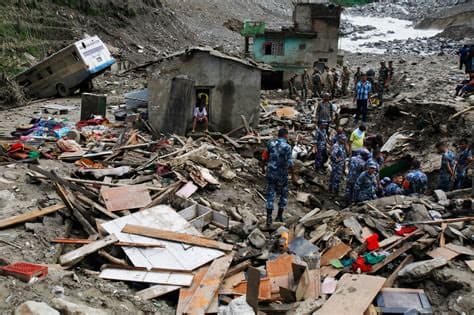
AI Image Disclaimer These visuals were generated with AI technology to illustrate the subject matter and do not depict actual events or individuals.
Sources Reuters Associated Press The New York Times BBC News United Nations reports
Published by Banx Network. This article is part of the Banx decentralized media programme, powered by the BXE token on the XRP Ledger.