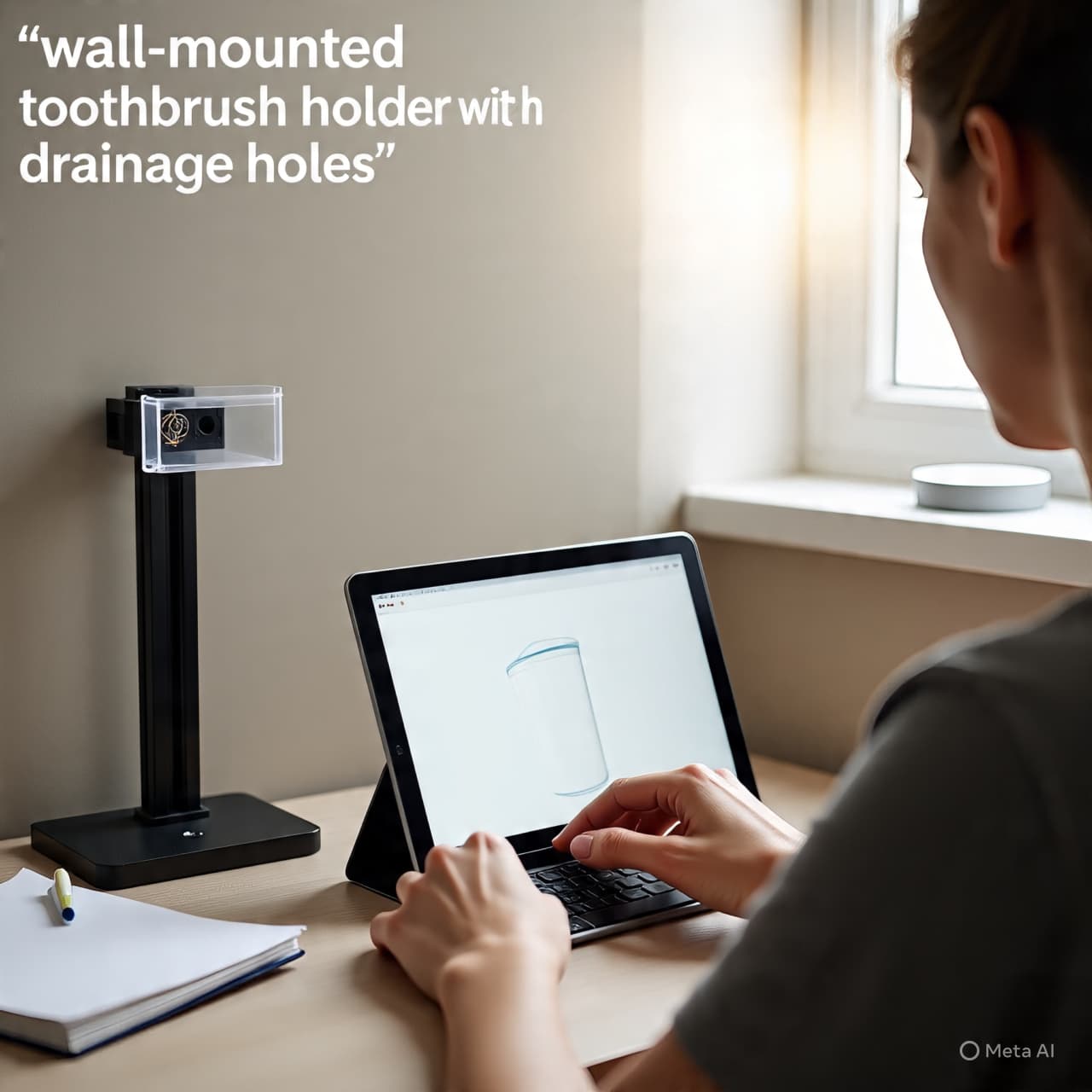
Like a potter’s hands shaping clay into a cup that holds morning coffee, or a weaver’s loom twisting thread into a blanket that warms cold nights, technology has long sought to bridge the gap between our imaginations and the tangible tools we use each day. For years, 3D printing promised to bring this kind of personalized creation to our homes, yet for many, the path from idea to object remained blocked by complex software and technical know-how. Now, generative AI is stepping in like a patient guide, turning the once-daunting journey into a walk through familiar ground. Think of it as a conversation between mind and machine: you describe a phone stand with a built-in slot for your earbuds, or a pet bowl engraved with your dog’s name, and the AI translates those words into a precise 3D model ready to print. Platforms like PrintPal are leading this shift, allowing users to move beyond pre-made libraries like Thingiverse and build something entirely their own—no CAD skills required. Even simple sketches, like a child’s drawing of a dragon toy, can be uploaded to tools such as Meshy and transformed into printable designs in minutes. This isn’t just about making things faster; it’s about letting creativity flow without the weight of technical barriers. Some innovations are even looking further, like MIT’s FoodRes.AI printer that repurposes banana peels, coffee grounds, and eggshells into functional dishware and containers. Here, the technology acts as a bridge between waste and utility, turning what we might throw away into items that serve us daily. Hobbyists, parents, educators, and small business owners are all finding ways to make this work for them—from crafting classroom materials to prototyping custom products, each print a small testament to how technology can adapt to our needs rather than the other way around. Recent reports show that AI-powered 3D design tools are becoming increasingly accessible, with platforms integrating seamlessly with popular printers and slicing software like Cura and PrusaSlicer. Communities are growing around shared “makes,” where users showcase their creations and offer feedback, turning solitary projects into collaborative efforts. While challenges remain—like ensuring durability for long-term use and expanding material options—the trend points toward a future where personal fabrication feels as natural as opening an app on our phones.
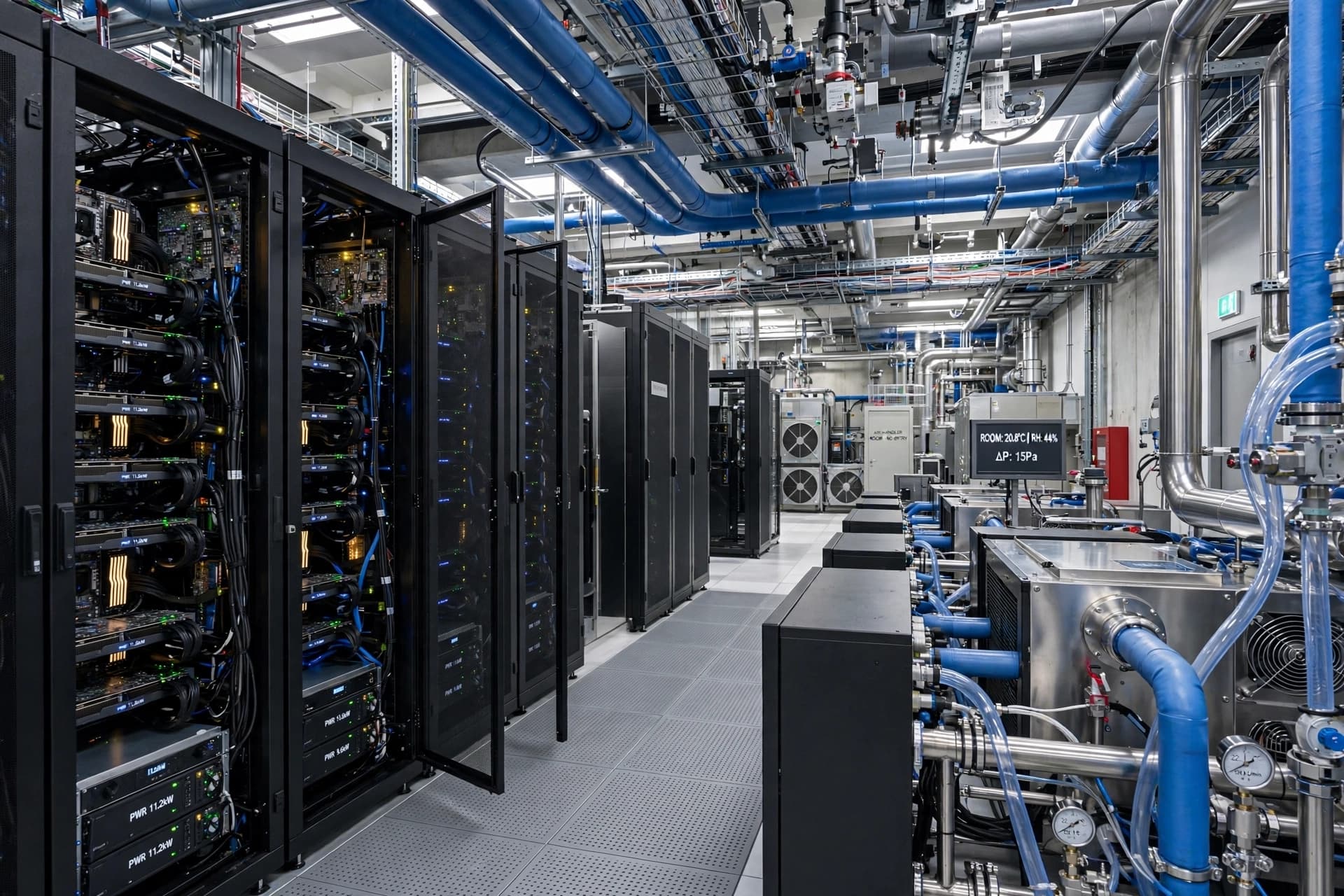
AI IMAGE DISCLAIMER “Illustrations were produced with AI and serve as conceptual depictions.”
SOURCE CHECK Credible mainstream and niche sources exist: 1. Gadget Review 2. Diamond Online 3. 3D Print Magazine 4. Manufactur3D 5. MIT News (via Teknologi.id)
Published by Banx Network. This article is part of the Banx decentralized media programme, powered by the BXE token on the XRP Ledger.