There are movements in the sky that pass unnoticed, objects that travel without urgency, following paths set long before human memory began. They drift through darkness, shaped by gravity alone, their courses steady and indifferent. Most will never come near enough to matter. A few, however, carry with them the quiet possibility of encounter.
It is in response to this distant uncertainty that attention has begun to gather—not in alarm, but in preparation. The idea is not new, though it has taken on new forms as technology has extended its reach beyond the atmosphere. The question remains simple in its shape: what might be done if something, long unseen, were found to be moving toward Earth?
Within this broader effort, Blue Origin, founded by Jeff Bezos, has outlined a concept that moves quietly within the field of planetary defense. It is not framed as a system of weapons, despite how it is sometimes described, but as a method of observation and response—a way of engaging with objects whose motion cannot be ignored once they are understood.
The concept, referred to as “NEO Hunter,” begins not with action, but with attention. Small spacecraft would be sent to approach and study near-Earth objects, gathering information about their size, composition, and trajectory. In this stage, the work is observational, guided by the recognition that understanding must come before intervention.
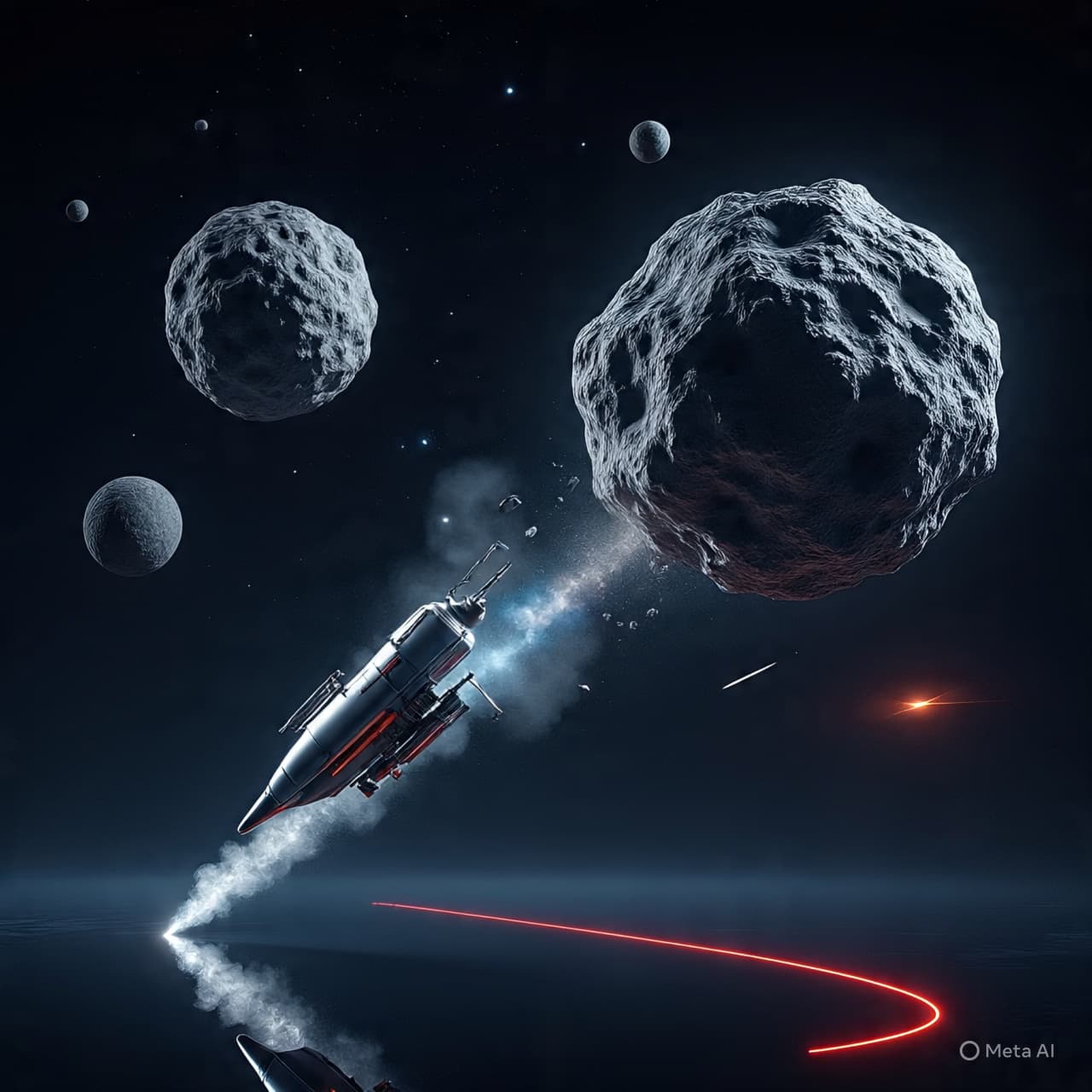
From there, the possibility of influence emerges. Rather than destruction, the focus rests on alteration—subtle changes to an asteroid’s path, made early enough that even a slight shift can grow into a meaningful difference over time. Techniques under consideration include the use of ion beams, gently pushing against the surface to adjust its course, or kinetic impact, where a spacecraft collides with the object to nudge it onto a different trajectory.
These ideas are not entirely theoretical. In 2022, NASA demonstrated a version of this approach through its DART mission, successfully altering the orbit of a small asteroid. The result did not resolve the broader challenge, but it suggested that influence, once considered improbable, is within reach.
Still, much remains uncertain. The concept proposed by Blue Origin is in its early stages, shaped through collaboration with research institutions such as the Jet Propulsion Laboratory. It exists as a framework rather than a system, a direction rather than a deployment. The timelines are undefined, the technologies still under refinement.
There is also a shift in how such efforts are understood. Language moves easily toward dramatization, toward the idea of defense as confrontation. Yet the reality is quieter. The goal is not to meet force with force, but to act early enough that force is not required at all. A small adjustment, made at the right moment, may be enough to prevent the need for anything more.
In this sense, the work belongs as much to patience as to capability. It depends on detection, on long-term tracking, on the willingness to engage with events that may never occur but cannot be entirely dismissed. It reflects a form of preparation that is measured not by immediacy, but by readiness.
There is something almost reflective in this effort. Objects that have moved unchanged for millions of years become, briefly, part of human consideration. Their paths intersect with our own not through intention, but through alignment. The response, in turn, is not to disrupt, but to redirect—quietly, carefully, and at a distance.
Blue Origin has proposed a concept known as NEO Hunter to detect and potentially deflect hazardous asteroids, working alongside research partners. The initiative remains in an early development phase and is part of broader planetary defense efforts led by agencies such as NASA.
AI Image Disclaimer
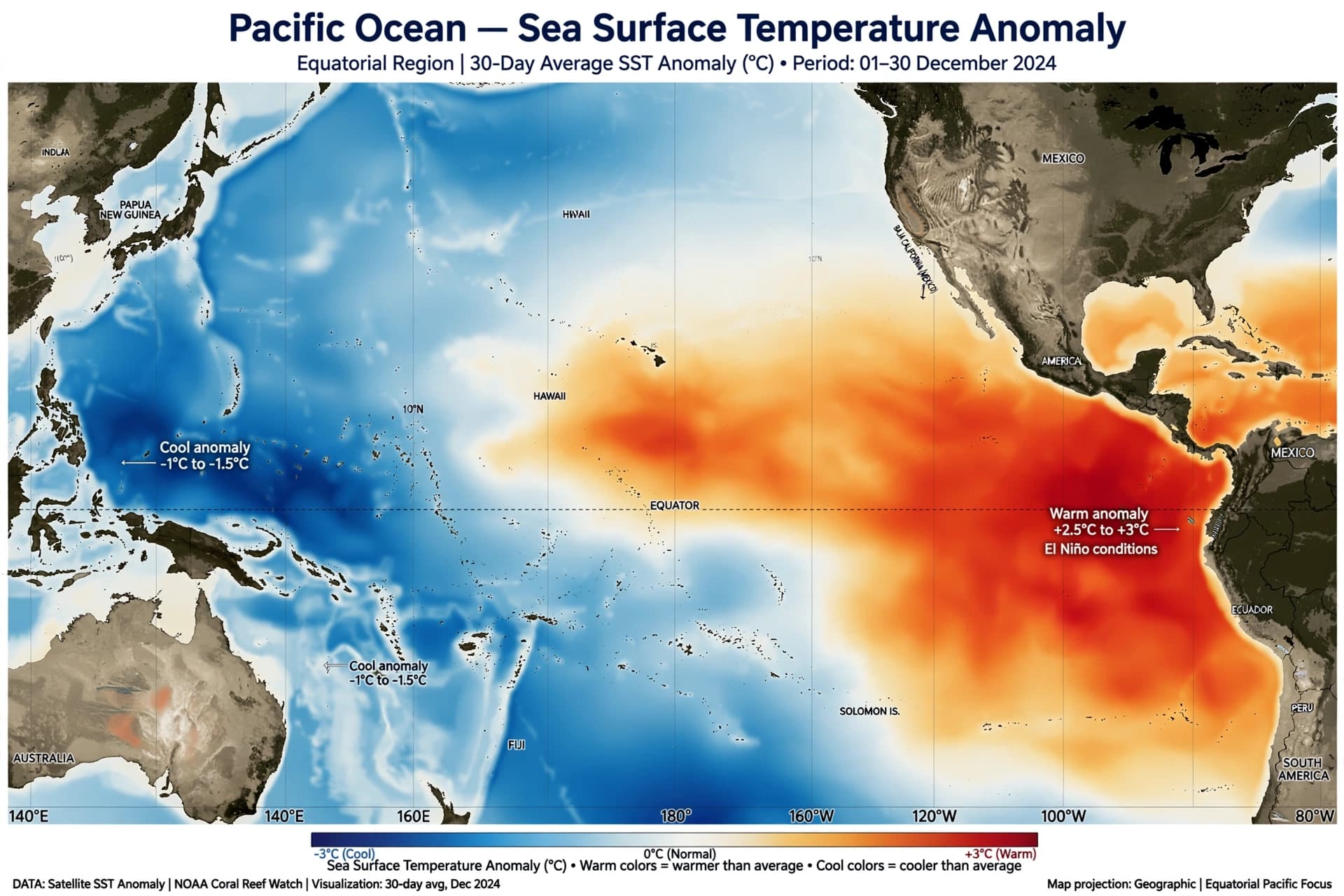
This content includes AI-generated imagery intended to illustrate scientific concepts and does not represent real mission visuals.
Source Check BBC The Guardian Space.com NASA Reuters
Published by Banx Network. This article is part of the Banx decentralized media programme, powered by the BXE token on the XRP Ledger.