There are consequences of war that travel without footsteps. They do not march alongside soldiers or echo through the noise of conflict. Instead, they arrive quietly—settling into homes, crossing borders unnoticed, and lingering in places far removed from the immediate lines of confrontation. Hunger is one such consequence, unfolding slowly, often invisibly, until it becomes impossible to ignore.
Recent assessments suggest that escalating conflict in the Middle East could push an additional 45 million people into acute hunger. It is a number that does not simply measure scarcity, but reflects a deeper disruption—of systems, of access, and of the fragile balance that sustains daily life for millions.
The relationship between conflict and food insecurity is neither sudden nor simple. War alters the pathways that bring food from field to table. Farms may fall silent, transportation routes become uncertain, and markets lose their rhythm. What once moved steadily begins to hesitate, and in that hesitation, availability narrows.
In many parts of the Middle East and surrounding regions, food systems are already finely balanced. Imports play a critical role, and local production often depends on stability that conflict can easily unsettle. When tensions rise, these interconnected systems feel the strain. Prices shift, supplies tighten, and the margin between sufficiency and shortage becomes thinner.
The projection of 45 million more people facing acute hunger is shaped by these overlapping pressures. It reflects not only physical shortages but also economic barriers—when food exists but becomes increasingly out of reach. For many households, the challenge is not just finding food, but affording it consistently.
Organizations such as the World Food Programme have pointed to the urgency of the situation, emphasizing that early and coordinated responses can help mitigate the most severe outcomes. Their work often unfolds in difficult conditions, navigating logistical constraints while seeking to maintain access to vulnerable communities.
There is also a broader dimension to consider. Food systems today are interconnected across regions and markets. Disruptions in one area can ripple outward, influencing global prices and availability. In this way, the impact of conflict extends beyond immediate geography, shaping conditions in places that may seem distant but remain connected.
Time, too, plays a role in how these challenges unfold. Hunger is not only an immediate concern; it carries lasting effects. Nutritional gaps can influence health, development, and resilience long after the initial disruption has passed. For children, in particular, these effects can shape futures in ways that are difficult to reverse.
Yet within this unfolding situation, there remains space for response. Efforts to support supply chains, stabilize markets, and provide targeted assistance offer pathways to reduce risk. These actions, often coordinated across organizations and governments, form part of a broader attempt to sustain balance amid uncertainty.
The figure itself—45 million—stands as a projection, not a certainty. It signals a potential trajectory, one that depends on how conditions evolve and how effectively responses are mobilized. It is both a warning and an opportunity to act before the most severe outcomes take hold.
Humanitarian agencies continue to monitor developments closely, calling for sustained attention and support to address rising food insecurity linked to the conflict. The situation remains fluid, shaped by ongoing events and the collective efforts aimed at limiting its wider impact.
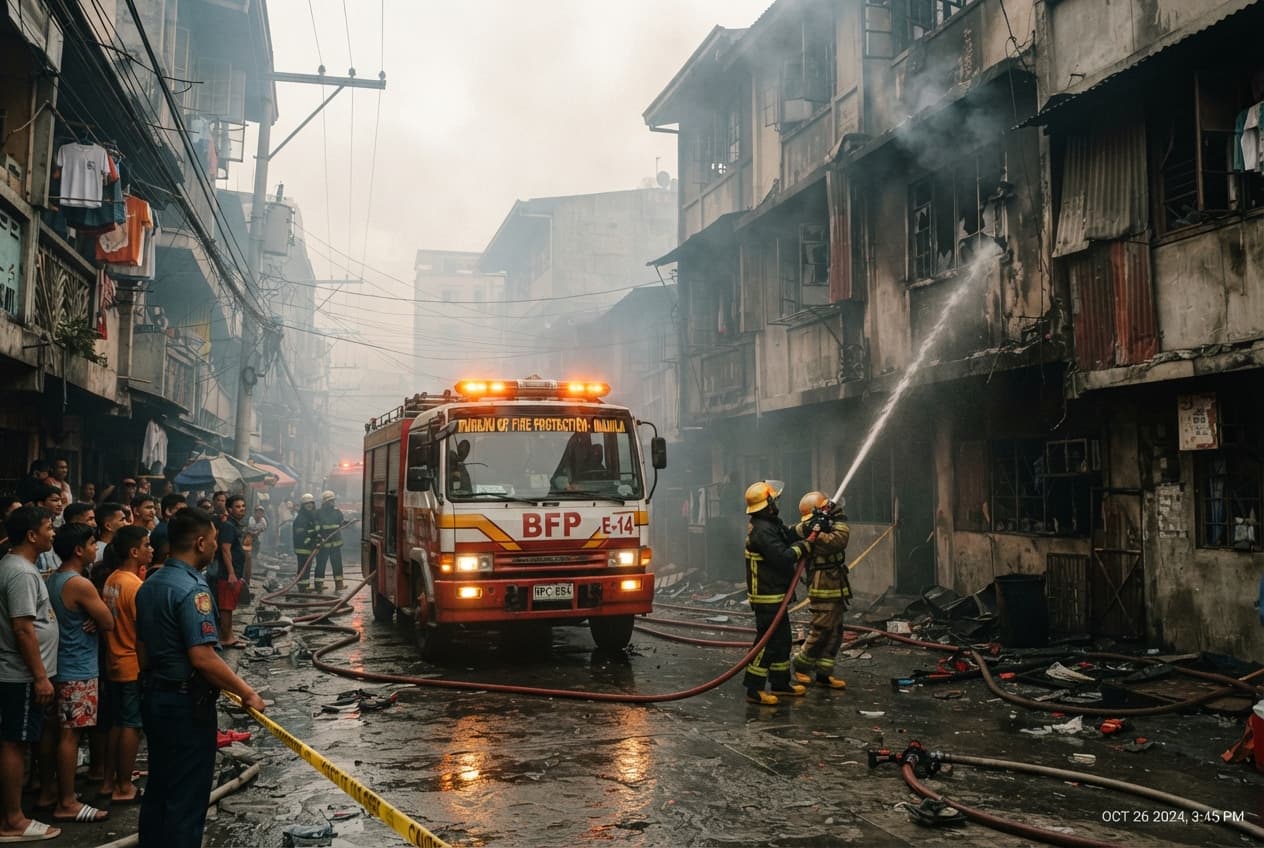
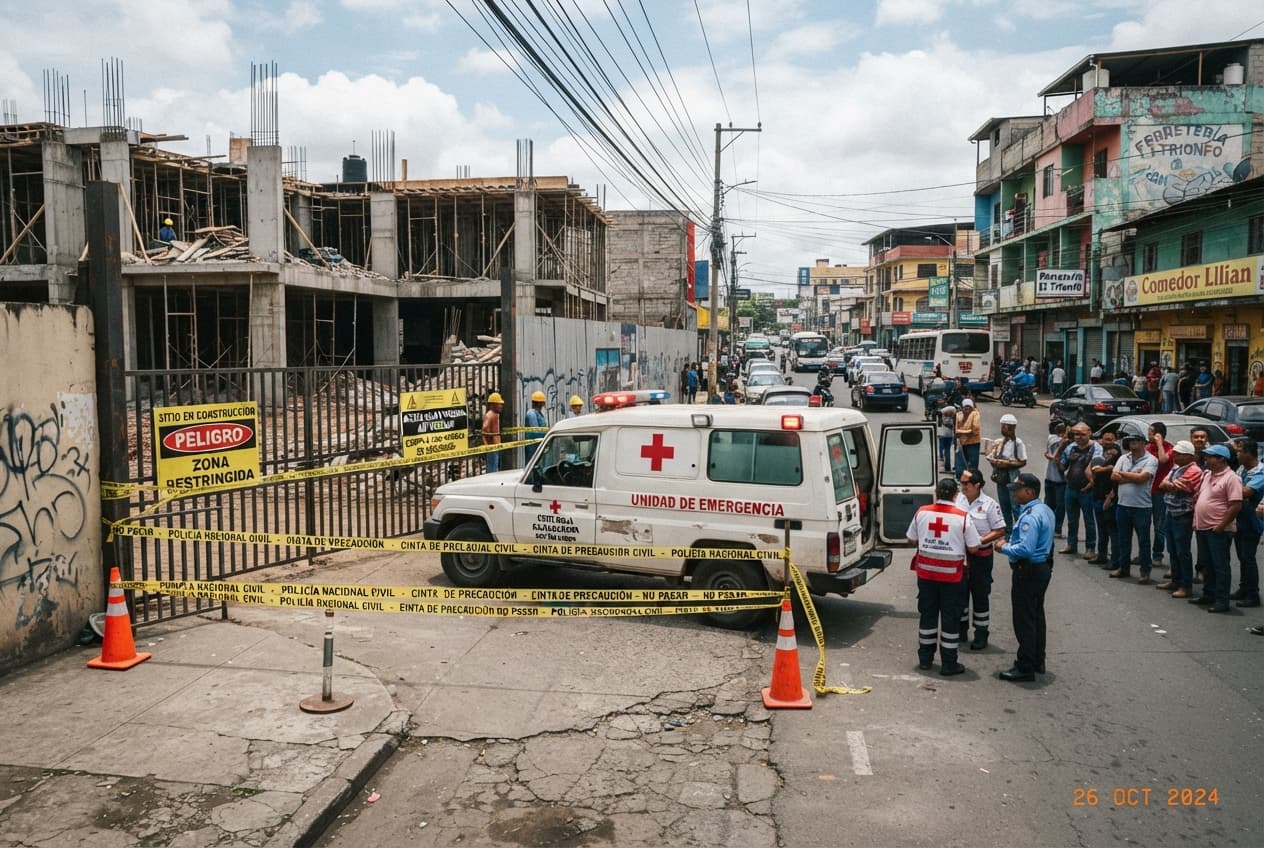
AI Image Disclaimer Images in this article are AI-generated illustrations, meant for concept only.
Source Check (Credible Media Outlets): Reuters BBC News Al Jazeera The Guardian World Food Programme (WFP)
Published by Banx Network. This article is part of the Banx decentralized media programme, powered by the BXE token on the XRP Ledger.