
Key Highlights
- Location:Guatemala, where state forces clashed with organized crime.
- Incident:A violent confrontation resulting in casualties on both sides.
- Aftermath:Ongoing investigations and community reactions to the violence.
The landscape of Guatemala often embodies a stark contrast between the formal state and the shadowy world of organized crime. This uneasy coexistence was violently disrupted on a Wednesday when gunfire echoed through the outskirts, signaling a deadly confrontation between security forces and members of a criminal organization. The clash, part of a planned operation aimed at dismantling a significant trafficking route, underscored the desperation and resources of the criminal group, leading to a fierce exchange that transformed abstract notions of law and order into a brutal reality.
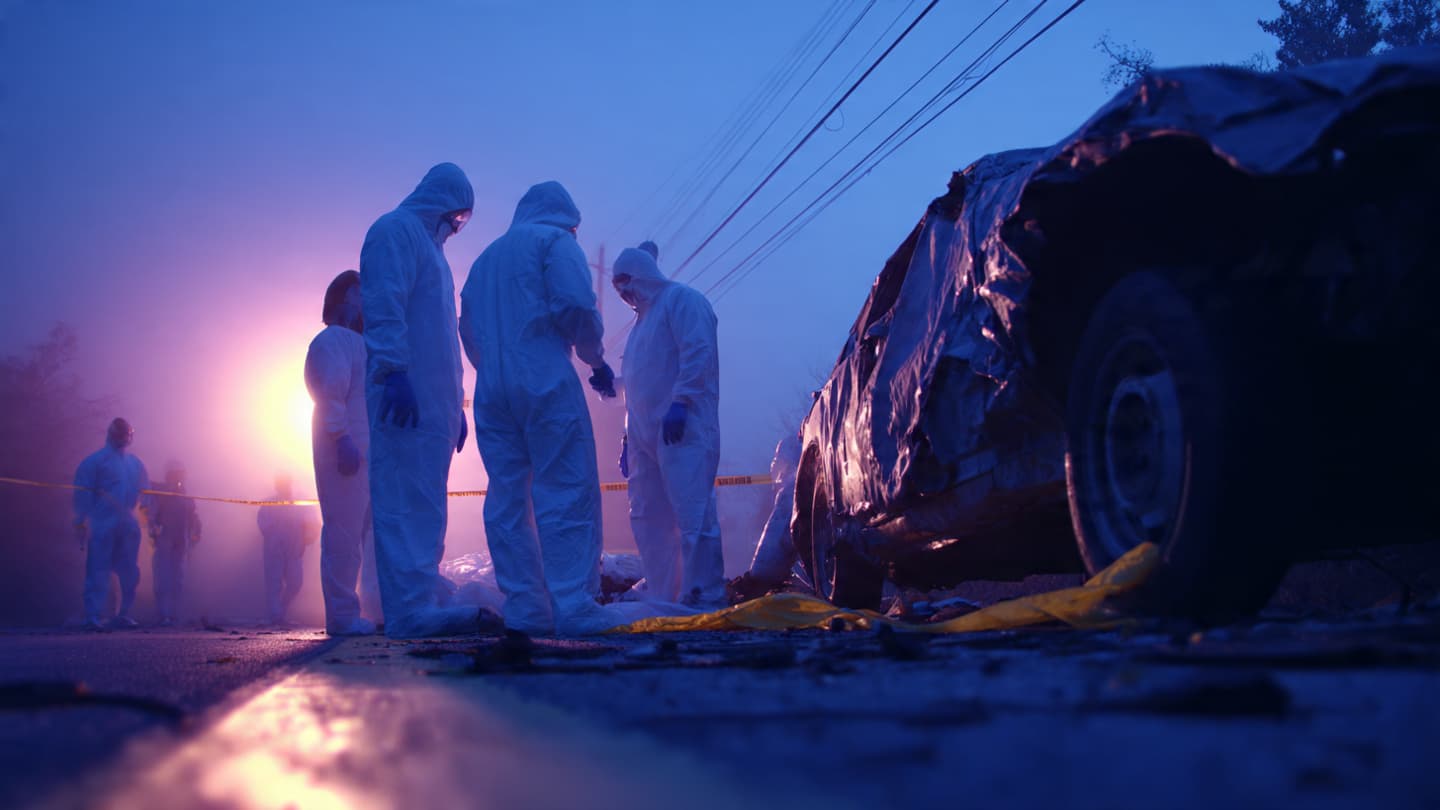
In the aftermath, the scene was marked by a somber stillness, with smoke lingering over the area where lives were lost. Among the deceased were both law enforcement officers and members of the criminal group, highlighting the tragic human cost of this ongoing struggle for territorial control. The loss of an officer not only represents a personal tragedy but also a blow to the state's efforts to maintain order and justice in a region plagued by violence.
As reinforcements flooded the area, the investigation commenced immediately. Law enforcement officials meticulously documented the scene and began identifying survivors from the criminal group who were apprehended. The recovery of high-caliber rifles and tactical gear indicated a level of preparation that posed a significant threat to state authority. This incident serves as a critical data point in the evolving narrative of organized crime in Guatemala, reflecting a shift from localized operations to more sophisticated regional networks.
For the families affected, this confrontation is a deeply personal tragedy thrust into the public eye. The clash between criminal structures and law enforcement forces is not merely a statistic; it represents a painful intersection of lives and livelihoods. In nearby communities, reactions ranged from fear to a grim acknowledgment of the necessity of state intervention. Many residents recognize that the presence of organized crime is a toxic influence on local economies and social structures, making the violent confrontation a necessary, albeit tragic, measure to restore order.
As forensic teams completed their work, the site of the confrontation returned to a semblance of normalcy, yet the memory of violence lingered. The legal proceedings and internal reviews that follow will be closely monitored, as the state remains vigilant against potential retaliatory actions from the criminal groups. The National Civil Police and the Ministry of Defense have issued a joint statement reaffirming their commitment to protecting the Guatemalan populace, emphasizing that the operation was the culmination of extensive intelligence efforts.
In the wake of this confrontation, the region remains under heavy surveillance, a temporary bastion of order in a landscape that has witnessed too much violence. As the sun sets, casting long shadows over the ground reclaimed by law enforcement, the ongoing struggle between state authority and organized crime continues, with each encounter serving as a reminder of the fragile peace that hangs in the balance.
Published by Banx Network. This article is part of the Banx decentralized media programme, powered by the BXE token on the XRP Ledger.



