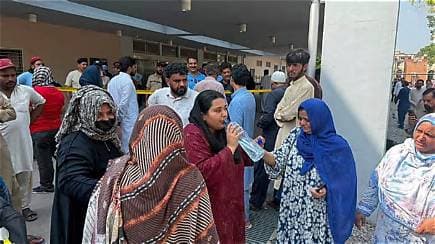
They arrived in Cambodia chasing opportunity, carrying small bags and larger expectations. Job offers had promised steady pay, office work, perhaps even a stepping stone into something better. Instead, many found themselves locked inside guarded compounds, their passports confiscated, their days consumed by scripts and screens designed to deceive strangers across oceans.
In recent years, Southeast Asia has become a hub for transnational scam operations, often run from fortified buildings where workers are recruited through misleading advertisements. Investigations by human rights groups and journalists have documented conditions inside some of these compounds as coercive and abusive: long hours, physical intimidation, mounting “debts” imposed by handlers, and punishment for failing to meet fraud quotas. Many of those trapped were migrants from Africa, South Asia, and other parts of the region, drawn in by the promise of legitimate employment.
When some finally escaped — slipping past guards, scaling walls, or fleeing during police raids — freedom did not unfold as they imagined. Without documents, wages, or local support networks, they emerged into cities like Phnom Penh and Sihanoukville with little more than the clothes they wore. Now, a number of former scam compound workers are living on sidewalks, under bridges, or in overcrowded temporary shelters, waiting for help that often moves slowly through diplomatic channels.
Local charities and volunteer groups have provided food, blankets, and assistance in contacting embassies. But the process of repatriation can be complicated. Many survivors lack passports, and some fear retaliation from trafficking networks if they seek help too openly. Others are caught in bureaucratic limbo, unable to prove their employment history or the coercion they endured.
Cambodian authorities have conducted periodic crackdowns on scam centers, arresting operators and freeing workers. Yet enforcement has struggled to keep pace with the scale and mobility of the operations, which frequently relocate or rebrand. The industry’s digital reach stretches far beyond Cambodia’s borders, targeting victims worldwide while exploiting vulnerable job seekers at home and abroad.
For those now sleeping rough, the irony is sharp. They escaped confinement only to confront another kind of insecurity — hunger, exposure, and uncertainty about when or whether they will return home. In the evenings, as traffic hums and neon lights flicker across the streets, small groups gather quietly, sharing stories of how they were recruited and how they ran.
Their accounts form a mosaic of modern exploitation: online ads that seemed legitimate, contracts never honored, threats delivered in multiple languages. What lingers most is not only the deception they were forced to enact, but the one they themselves endured.
As governments across the region pledge stronger action against human trafficking and cyber fraud, the human aftermath remains visible in plain sight. Rescue is not a single event but a process — one that stretches beyond breaking locks or raiding compounds. For these survivors, true freedom may only begin when safety, shelter, and a path home are no longer uncertain.
AI Image Disclaimer
Illustrations were created using AI tools and are conceptual representations.
Sources
CNN Reuters Associated Press Human Rights Watch
Published by Banx Network. This article is part of the Banx decentralized media programme, powered by the BXE token on the XRP Ledger.