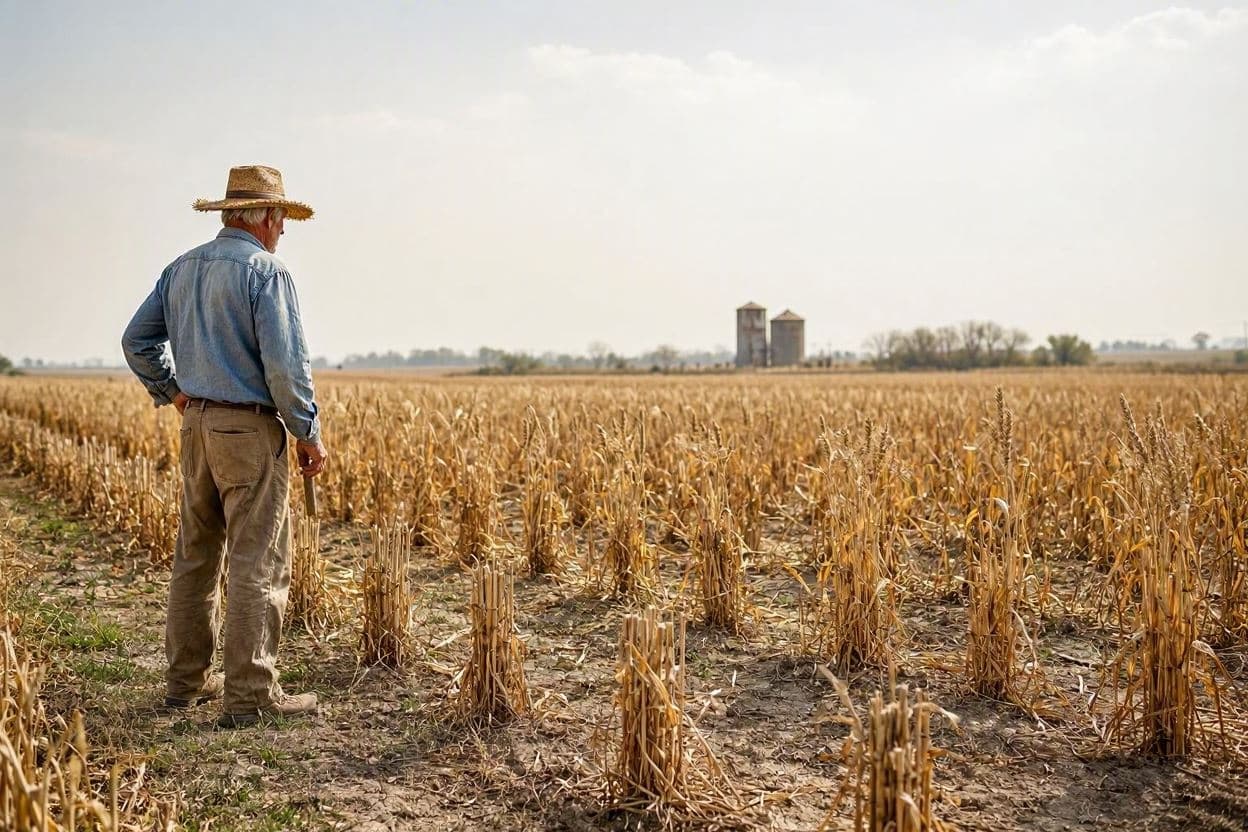
For generations, the concept of extreme heat has been tied to the summer months, a seasonal inconvenience to be endured until the cooler air of autumn arrived. However, a new study reveals that this pattern is shifting. Dangerous heat events are no longer confined to summer; they are becoming increasingly frequent in spring, autumn, and even winter. This expansion of the "heat season" poses new challenges for public health, agriculture, and infrastructure, signaling a deeper change in our climate system.
The research, conducted by climate scientists, analyzes global temperature data over recent decades. It shows that the frequency and intensity of extreme heat days have risen significantly outside traditional warm seasons. In many regions, what was once a mild spring or crisp autumn now experiences spikes in temperature that rival summer highs. This trend is driven by rising global average temperatures, which amplify weather extremes year-round.
For vulnerable populations, the implications are serious. Elderly individuals, children, and those with pre-existing health conditions are at greater risk during unexpected heatwaves. Without the preparedness habits formed during summer, such as using air conditioning or staying hydrated, people may be caught off guard by sudden temperature rises in cooler months. Healthcare systems must adapt to handle these off-season surges in heat-related illnesses.
Agriculture also faces disruption. Crops rely on predictable seasonal cycles for growth and harvest. Unseasonal heat can stress plants, reduce yields, and increase water demand. Farmers are finding it harder to plan planting schedules, as traditional cues no longer align with current weather patterns. This uncertainty threatens food security and economic stability in rural communities dependent on consistent growing conditions.
The study highlights that the spatial footprint of hazardous heat is expanding. Areas that historically experienced moderate climates are now seeing more frequent extreme events. This shift requires urban planners to rethink infrastructure, incorporating cooling centers and green spaces that mitigate heat effects year-round. Cities must become resilient not just to summer peaks, but to a broader range of thermal stresses.
Climate models predict that this trend will continue unless global emissions are significantly reduced. The warming planet holds more energy, leading to more volatile weather patterns. While individual heat events vary, the overall trajectory points toward a future where extreme heat is a year-round concern. Adaptation strategies must therefore be comprehensive and long-term.
Public awareness is key to managing this new reality. Education campaigns can help people recognize the signs of heat stress regardless of the season. Simple measures, such as checking weather forecasts regularly and adjusting clothing and activity levels, can save lives. Community support networks play a vital role in ensuring that no one is left vulnerable during these unexpected events.
In the end, the expansion of extreme heat beyond summer is a clear signal of climate change’s pervasive impact. It challenges our assumptions about seasons and forces us to adapt to a new normal. By acknowledging this shift and preparing accordingly, we can better protect ourselves and our environment from the growing risks of a warming world.
AI Image Disclaimer: The visual content in this article is AI-generated to depict the themes of climate change and environmental adaptation respectfully.
Sources: Columbia Climate School, Nature Climate Change, World Weather Attribution, EPA
Published by Banx Network. This article is part of the Banx decentralized media programme, powered by the BXE token on the XRP Ledger.